Iran Tightens Control Over Strait of Hormuz, Raising Global Economic Concerns
Iran has once again intensified its grip on shipping traffic through the Strait of Hormuz, a move that is increasingly shaping the global economic outlook amid the ongoing conflict involving the United States and Israel

Iran Tightens Control Over Strait of Hormuz, Raising Global Economic Concerns
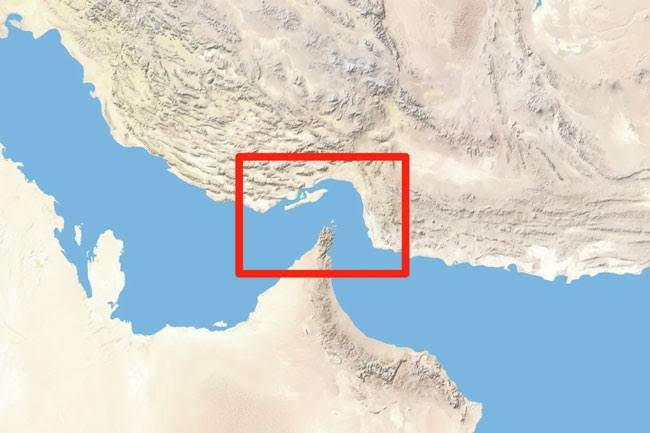
Iran has once again intensified its grip on shipping traffic through the Strait of Hormuz, a move that is increasingly shaping the global economic outlook amid the ongoing conflict involving the United States and Israel. The number of vessels passing through this కీల strategic chokepoint has now become a key barometer of how the war is affecting international trade and energy flows.
According to the report, after nearly eight weeks of sustained conflict, maritime traffic dropped dramatically. On Tuesday, only a single ship was recorded passing through the strait, based on data from S&P Global Market Intelligence. Such a sharp decline highlights the growing risks and fears surrounding navigation in the region.
The situation escalated further on Wednesday, when multiple ships attempted to transit the waterway. Iranian forces responded by attacking two cargo vessels, reinforcing concerns that the strait is no longer safe for routine commercial passage. Analysts interpret this not only as a tactical move but also as a strategic signal to the international community.
Experts suggest that Iran does not need to completely shut down the strait to achieve its objectives. By demonstrating a credible threat, Tehran is effectively discouraging shipping companies from using the route. Rosemary Kelanic, a director at Defense Priorities, noted that Iran is reminding the world that its threats are real—and that alone is enough to significantly suppress maritime traffic.
Interestingly, ship-tracking data indicates that vessels linked to Iran continue to pass through the strait without disruption. This suggests a selective control mechanism, where Iran is able to influence which ships can safely transit and which face potential.
The global implications are significant. The Strait of Hormuz handles roughly one-fifth of the world’s oil supply, making it one of the most critical energy corridors. Any sustained disruption in this route can drive up oil prices, strain supply chains, and heighten economic uncertainty worldwide.
Iran’s approach reflects a calculated strategy: rather than imposing a total blockade, it is leveraging targeted attacks and psychological pressure to control maritime movement. This creates maximum economic impact while avoiding full-scale escalation—yet it also raises the risk of miscalculation, which could quickly spiral into a broader conflict.