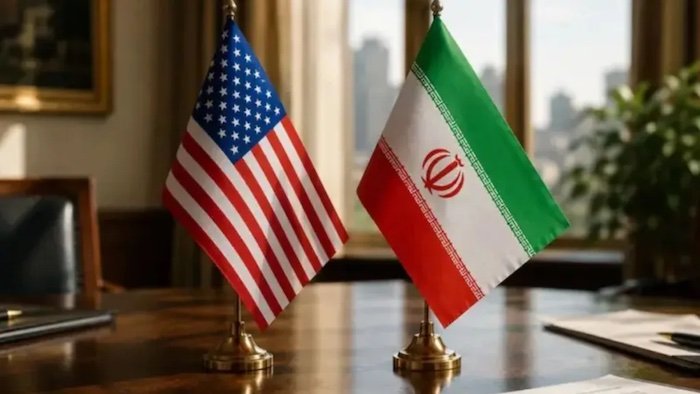
Allies warn rushed US–Iran deal could backfire, risk technical deadlock
Allies of the United States are increasingly concerned that a hurried framework agreement with Iran could ultimately backfire, leaving key technical issues unresolved and creating a long-term deadlock. Diplomatic sources indicate that pressure to secure a quick political win may result in a weak deal that fails to address complex underlying problems

Allies warn rushed US–Iran deal could backfire, risk technical deadlock
Allies of the United States are increasingly concerned that a hurried framework agreement with Iran could ultimately backfire, leaving key technical issues unresolved and creating a long-term deadlock. Diplomatic sources indicate that pressure to secure a quick political win may result in a weak deal that fails to address complex underlying problems.
According to officials, critical issues such as uranium enrichment limits, sanctions relief, and international monitoring mechanisms require detailed technical negotiations. Rushing through a preliminary agreement without resolving these elements could lead to future disputes and implementation failures.
European allies, who played a central role in the 2015 nuclear deal, have expressed frustration over being sidelined in the current talks. They argue that negotiations with Iran are inherently slow and technical, requiring careful sequencing and verification, rather than quick political compromises.
While discussions have included reducing Iran’s stockpile of highly enriched uranium and easing sanctions, major disagreements persist over inspection access and Iran’s nuclear rights. Meanwhile, regional allies, including Gulf states and Israel, are pushing for broader security guarantees, particularly limits on Iran’s missile program.
Iran, for its part, is demanding firm assurances against future aggression and guarantees that any agreement will be upheld. With both sides still far apart, analysts warn that a premature deal could collapse under its own weight, potentially escalating tensions instead of resolving them.