Europe Pushes Post-War Hormuz Plan as Starmer–Macron Summit Signals Strategic Shift
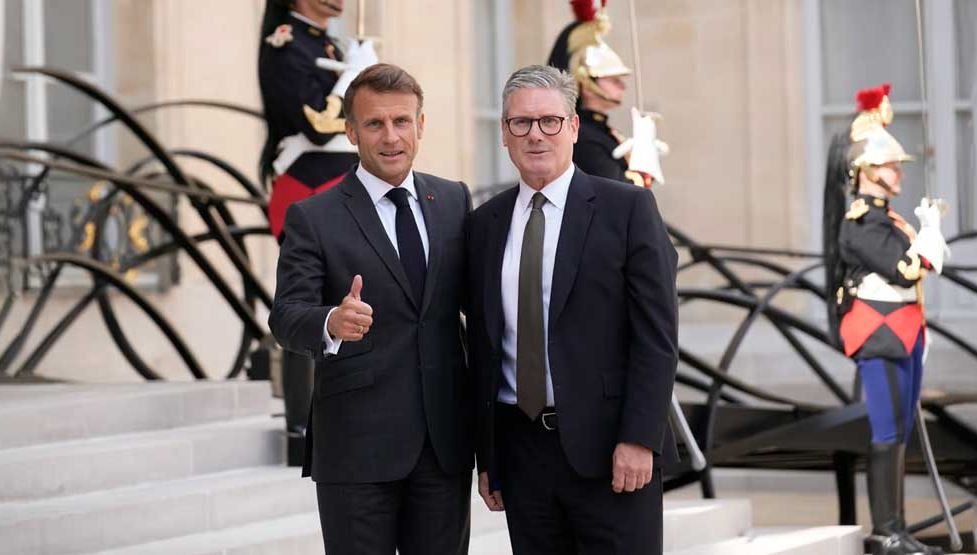
British Prime Minister Keir Starmer and French President Emmanuel Macron are convening a కీల summit aimed at reshaping the future of the strategically vital Strait of Hormuz, signaling Europe’s growing ambition to play a more independent security role in the Middle East

Europe Pushes Post-War Hormuz Plan as Starmer–Macron Summit Signals Strategic Shift
British Prime Minister Keir Starmer and French President Emmanuel Macron are convening a కీల summit aimed at reshaping the future of the strategically vital Strait of Hormuz, signaling Europe’s growing ambition to play a more independent security role in the Middle East.
A European-Led Alternative to U.S. Strategy
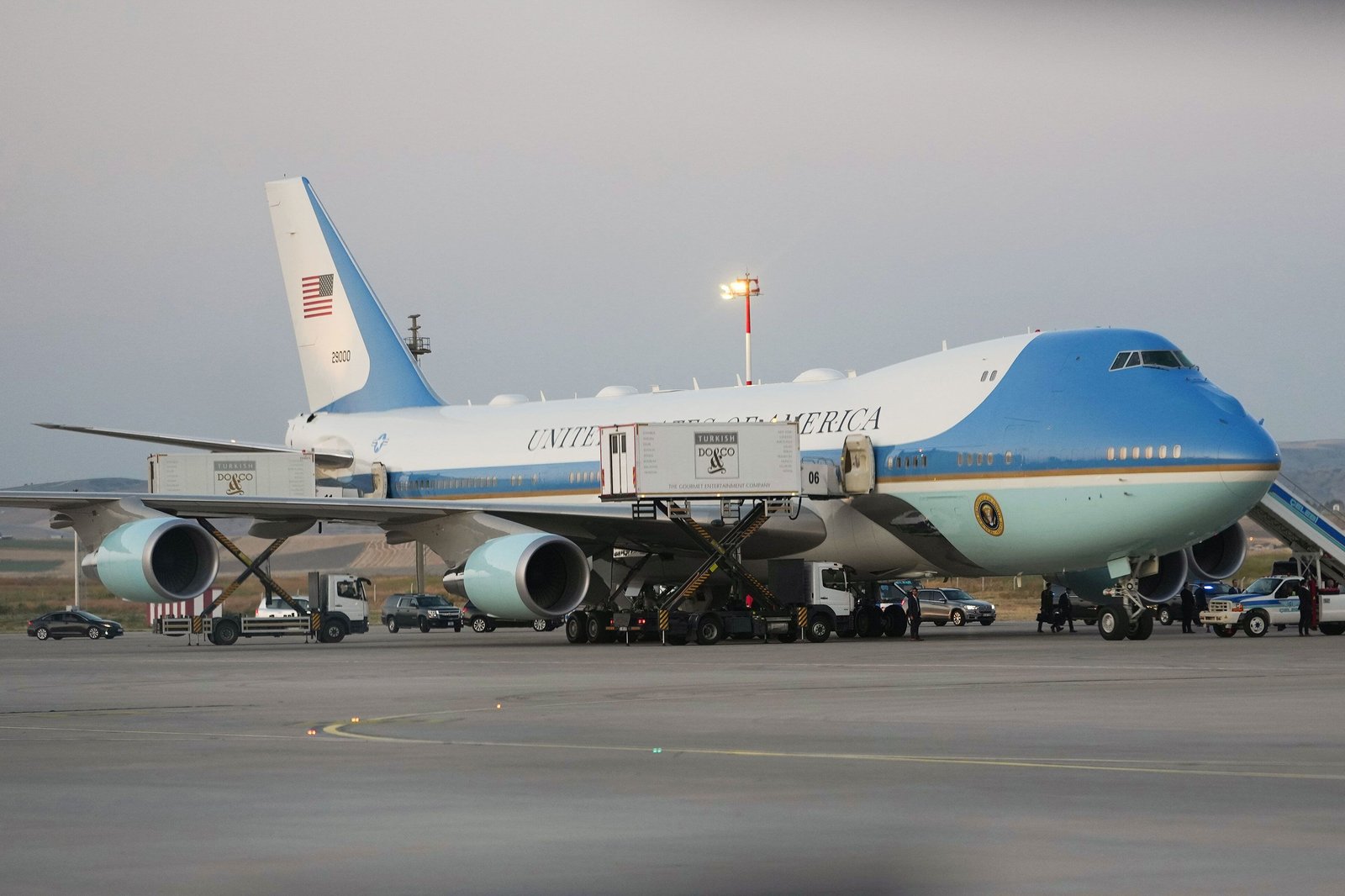
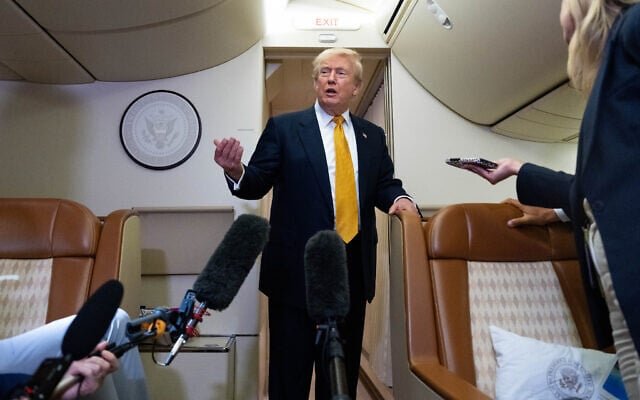
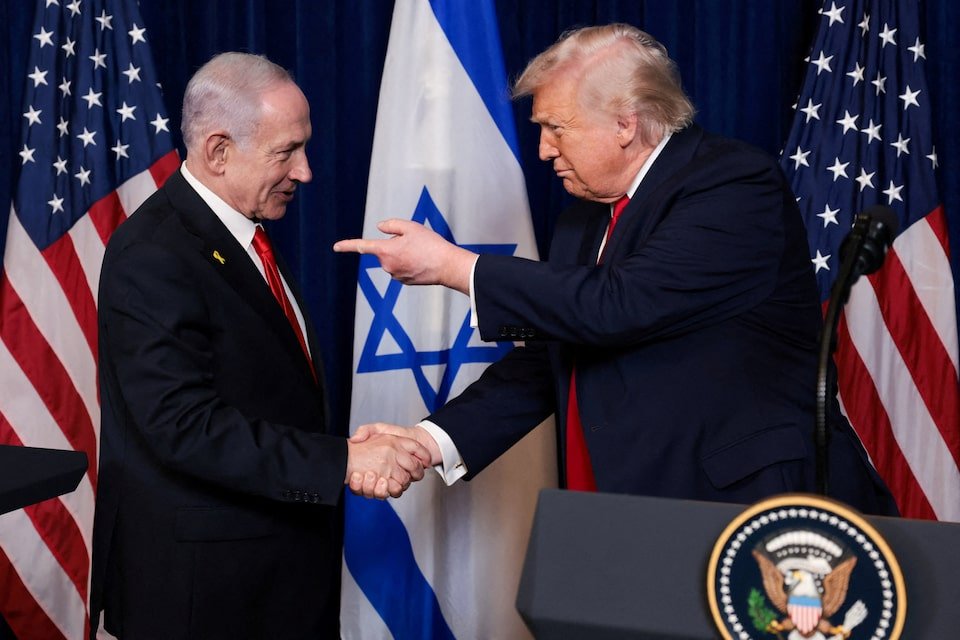
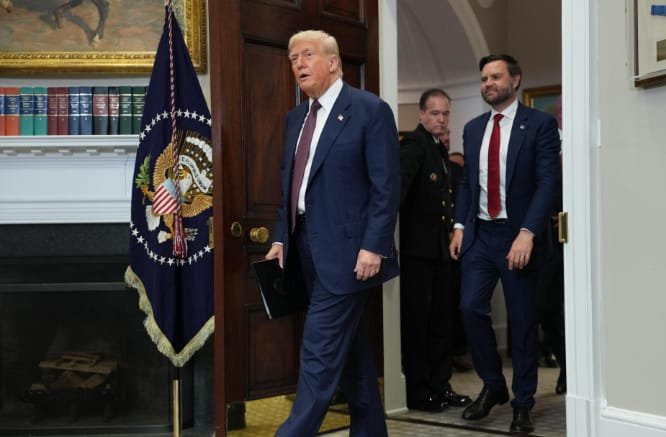
At the heart of the summit is a European-led maritime security plan designed to reopen the Strait after the ongoing conflict ends—without direct U.S. leadership. This marks a notable divergence from the current approach under Donald Trump, whose administration has relied on a hardline naval blockade strategy targeting Iranian ports.
In contrast, the Anglo-French proposal envisions a post-conflict naval mission involving Britain, France, and other “non-belligerent” nations. Crucially, this force would only be deployed after active fighting and bombardment cease, positioning it as a stabilizing rather than coercive presence.
“Strictly Defensive” Mission with Commercial Focus
European officials emphasize that the proposed mission would be strictly defensive in nature, aimed at restoring normal shipping flows rather than enforcing wartime corridors or exerting military pressure. The core objective is to ensure that global energy and trade routes through Hormuz remain free from disruption, tolls, or blockades.
One senior European official stated that the ultimate goal is clear:
“No blockade, no toll—nothing that obstructs the free flow of shipping through the Strait.”
This reflects broader European concerns over the economic ripple effects of prolonged instability in the region, particularly on oil markets and global supply chains.
Not a Snub to Washington—But a Strategic Signal
Despite perceptions, European diplomats insist the initiative is not designed to sideline the United States. According to officials, France began exploring the idea of a maritime mission from the earliest days of the conflict, and the current effort represents a formalization of those discussions in partnership with the UK.
However, analysts suggest the move still carries strong geopolitical implications:
It highlights Europe’s desire for strategic autonomy in global security matters
It reflects frustration with U.S. unilateral approaches, particularly military-heavy tactics
It signals a shift toward multinational, post-conflict stabilization models
Iran Remains Central to the Equation
While the plan focuses on post-war recovery, European officials continue to identify Iran as the central challenge in ensuring long-term stability in the Strait. Any sustainable solution will likely depend on Tehran’s willingness to cooperate with international maritime norms.
Broader Implications
The outcome of the Starmer–Macron summit could shape:
The future of European defense cooperation
The balance between U.S. and European influence in the Middle East
The security framework governing one of the world’s most critical النفط chokepoints
If implemented, the plan may represent a turning point in how post-conflict maritime security is managed, shifting from dominance by a single superpower to a more coordinated multinational approach.