War, Despair and the Desire for Change: What Iran’s Youth Think About the 2026 Conflict
The ongoing conflict in the Middle East in 2026 has had a deep impact on Iranian society. However, the most significant reactions are being observed among the country’s youth. Data from various international surveys, research reports, and media coverage suggest that a large portion of young Iranians do not support the war; instead, they are increasingly worried about their future, hopeful for political change, and more critical of government policies.

War, Despair and the Desire for Change: What Iran’s Youth Think About the 2026 Conflict
The ongoing conflict in the Middle East in 2026 has had a deep impact on Iranian society. However, the most significant reactions are being observed among the country’s youth. Data from various international surveys, research reports, and media coverage suggest that a large portion of young Iranians do not support the war; instead, they are increasingly worried about their future, hopeful for political change, and more critical of government policies.
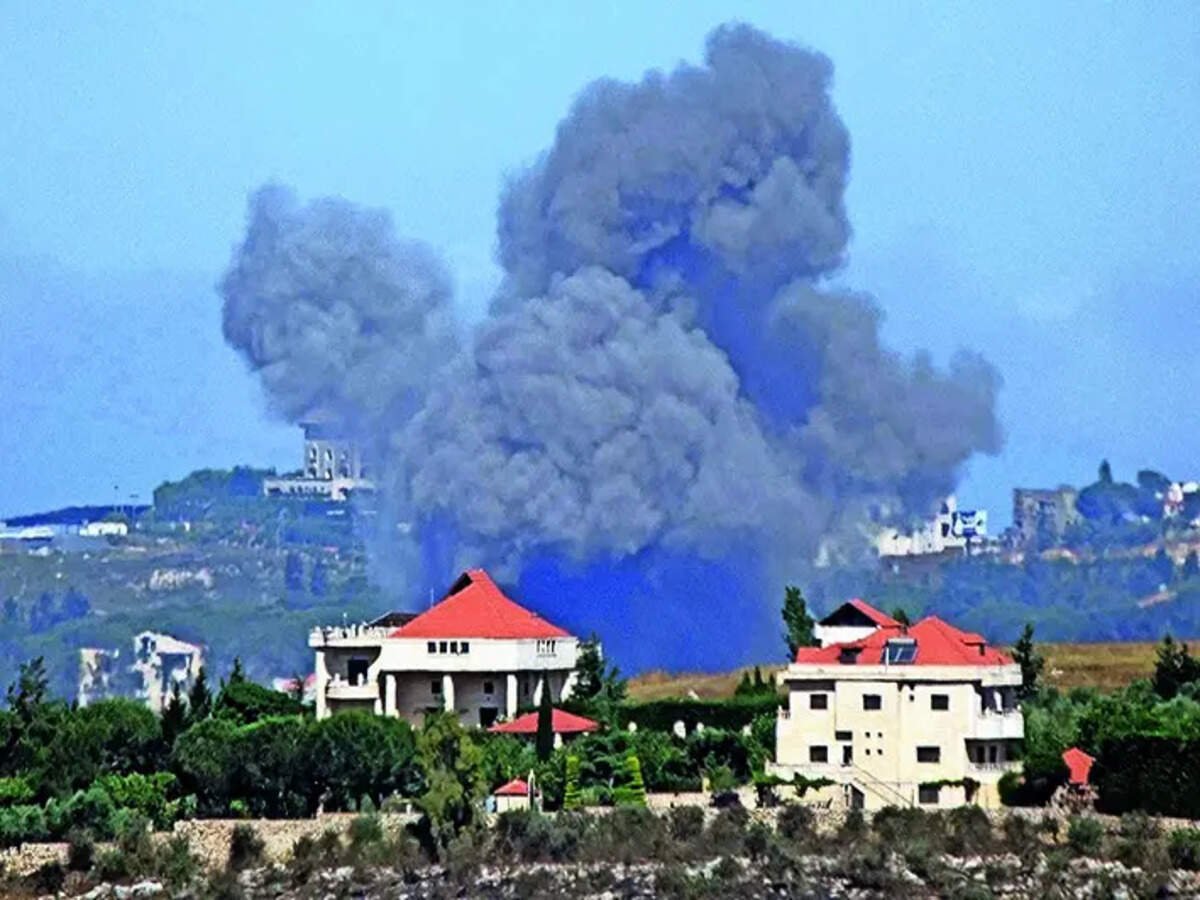
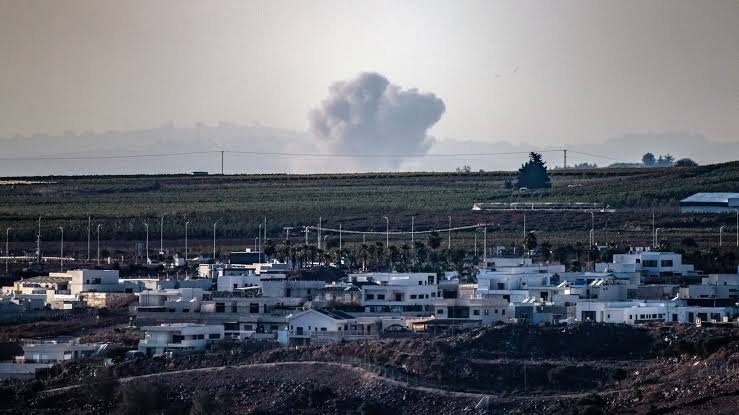
Recent international reports indicate that the ongoing conflict has resulted in the deaths of more than a thousand civilians in Iran, spreading fear and uncertainty across many cities.
According to human rights organizations, bombing and military operations have severely disrupted the daily lives of ordinary citizens. People are living with anxiety—on one hand fearing foreign attacks, and on the other concerned about possible state repression.
Analysts believe that this dual pressure is significantly reshaping the mindset and political outlook of young people in Iran.
What Surveys Say About Iranians and Their Youth
Most Do Not See It as “The People’s War”
A survey by the Netherlands-based research organization GAMAAN found that:
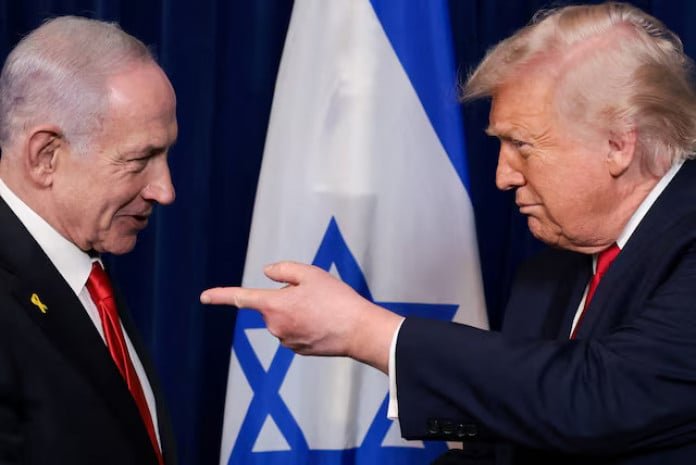
63% of Iranians believe the conflict is not a war against the Iranian people, but rather a confrontation between Israel and the Iranian government.
Only 33% view it as a national or patriotic war.
According to analysts, these results particularly reflect the strong anti-war sentiment among younger generations.
Clear Frustration Toward the Government
The same survey also found that:
44% believe the Iranian government is responsible for the war
Only 33% consider Israel primarily responsible
58% think the government has failed to adequately protect its citizens
42% expressed anger toward the government during the conflict
Political analysts say much of this frustration is more visible among younger Iranians, as they are the ones most affected by economic hardship and social restrictions.
Growing Despair About the Future and Desire to Leave the Country
According to Middle East research reports:
77% of Iranians believe the country’s youth are deeply pessimistic about their future
Around 72% of young people want to emigrate abroad
Experts say the ongoing conflict is intensifying this sense of uncertainty and hopelessness.
Rising Demand for Political Change
Several surveys indicate that:
More than 80% of Iranians want changes to the current political system
Most respondents expressed support for a more democratic form of governance
This growing sentiment is one reason why protests led largely by young people have been seen in several Iranian cities in recent years.
Three Major Trends in Youth Attitudes
Analysts broadly categorize the attitudes of Iranian youth into three main trends:
1. Anti-War Pragmatism
Many young people believe that war will further damage the country’s economy and their future prospects.
2. Dissatisfaction with the Government
They argue that long-standing political and diplomatic failures have pushed the country into this conflict.
3. Desire for Political Change
Some believe the current crisis could eventually open the door to major political reforms in the future.
Overall, data and surveys suggest that the 2026 conflict has deeply influenced Iran’s younger generation. A large portion of them are worried about the war, increasingly critical of government policies, and hopeful that the crisis may eventually lead to meaningful political change.