Court Rules ICE Can Continue Raids in Churches and Worship Spaces in President Trump's Case
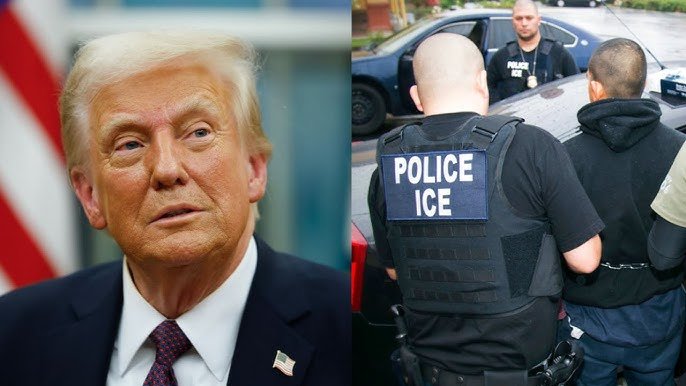
The Trump administration has achieved a significant legal victory. A federal court has ruled that the Immigration and Customs Enforcement (ICE) agency is allowed to conduct raids in churches and other places of worship, rejecting claims of interference with religious freedom.

Court Rules ICE Can Continue Raids in Churches and Worship Spaces in President Trump's Case
Court Rules ICE Can Continue Raids in Churches and Worship Spaces in President Trump's Case
The Trump administration has achieved a significant legal victory. A federal court has ruled that the Immigration and Customs Enforcement (ICE) agency is allowed to conduct raids in churches and other places of worship, rejecting claims of interference with religious freedom.
Washington D.C. federal judge Dabney Friedrich, appointed during Trump’s first term, ruled that the objections raised by Christian and Jewish religious organizations against ICE's policy were not accepted. These organizations had argued that such raids violated religious freedom and created fear among immigrant worshippers, leading to decreased participation in religious services.
However, the judge stated that there was insufficient evidence to prove that ICE’s raids in places of worship were frequent or significant. The court noted that such raids were limited and few in number. Judge Friedrich further mentioned that even if the previous policy were reinstated, there was no guarantee that attendance at worship services would increase, as the broader impact of immigration law enforcement still remained.
🔶 Dissenting Opinions and Other Cases
Although the ruling in this case favored the Trump administration, other U.S. states have shown differing opinions. For example, a federal court in Maryland temporarily suspended ICE operations in places of worship for the Quaker religious community. Meanwhile, in Colorado, a court allowed immigration enforcement activities in schools.
These cases indicate that there is a divide in the U.S. judiciary regarding immigration raids in "sensitive locations" such as religious institutions and educational establishments. The issue remains a central point of discussion in courts across the country.