Experts warn Iran is using artificial intelligence to influence public perception
Amid rising tensions in the Middle East, analysts say a new front has emerged in the conflict: the battle for global perception. According to former U.S. cybersecurity official Bridget Bean, Iran is increasingly using advanced artificial intelligence tools to shape a global narrative suggesting it is gaining the upper hand against the United States—despite a very different reality on the battlefield.

Experts warn Iran is using artificial intelligence to influence public perception
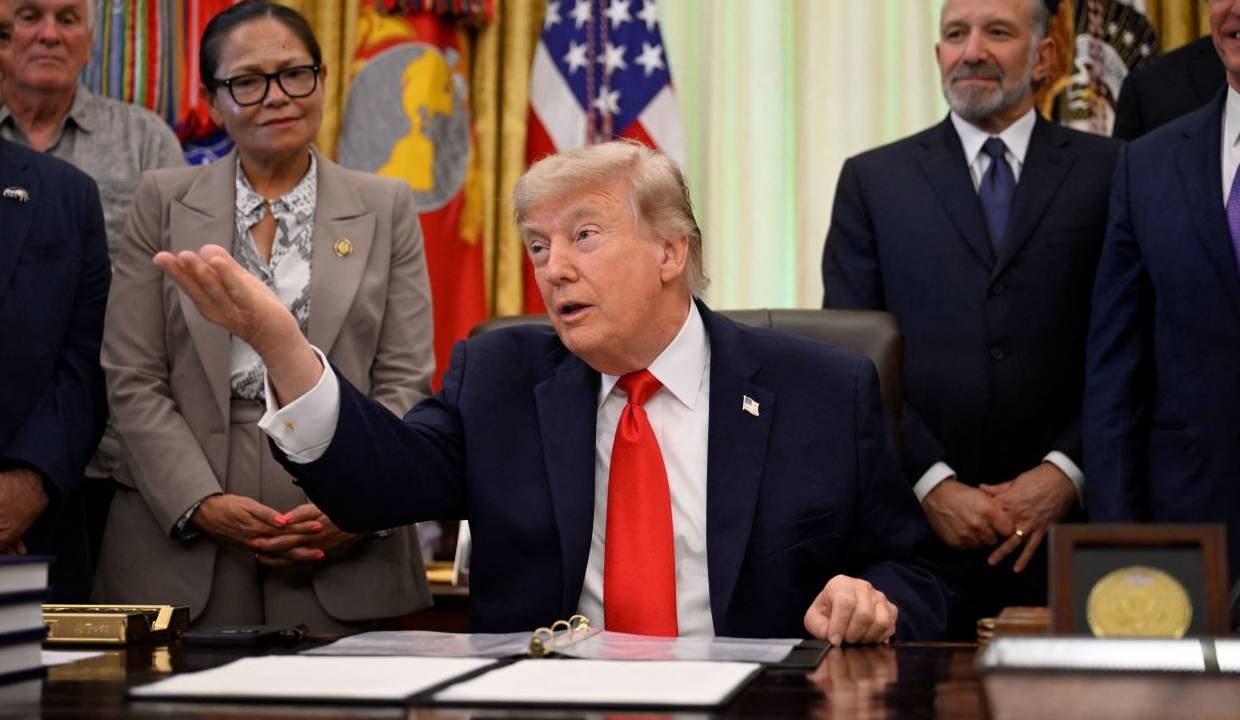
Speaking on the U.S. television program The Ingraham Angle, Bridget Bean, who previously served as acting director of the Cybersecurity and Infrastructure Security Agency (CISA), warned that Iran is turning to sophisticated AI-generated media to influence public perception worldwide.
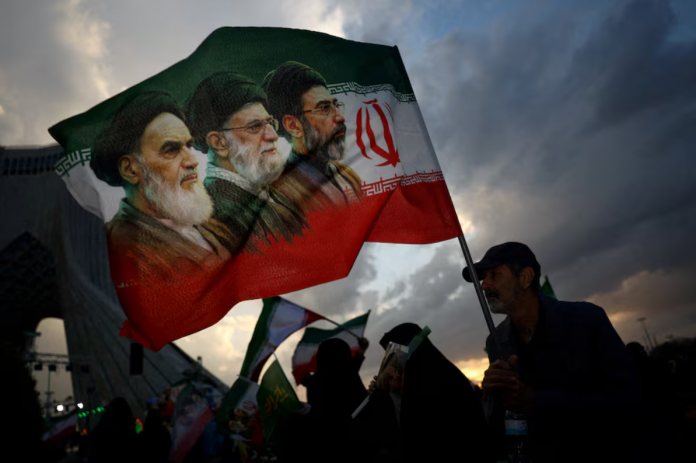
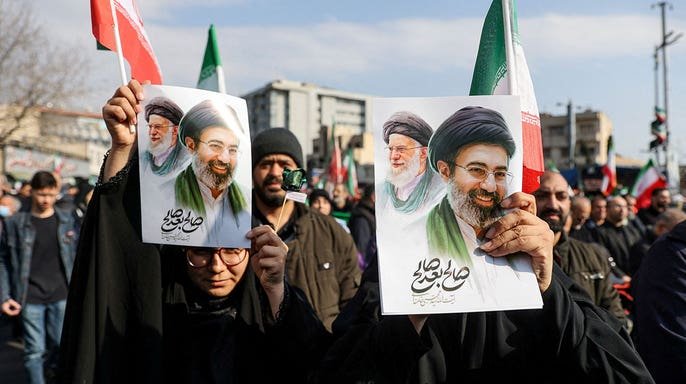
According to security experts, Iran is producing manipulated images, videos, and digital visuals that circulate widely on social media platforms. These materials often portray Iran as militarily successful or strategically dominant in its confrontation with the United States.
Experts describe this approach as “narrative warfare,” a strategy aimed at shaping global opinion and undermining the resolve of opponents. Advances in AI technology have made such content increasingly convincing. For users quickly scrolling through social media feeds, it can be difficult to detect subtle signs that the images or videos are artificially generated.
Analysts say this digital propaganda has found audiences in several parts of the world, including parts of South Asia, where some online communities have begun to believe the narrative that Iran is outperforming the United States militarily.
However, defense analysts emphasize that the actual balance of power tells a different story. The United States maintains significant military capabilities in the region, including advanced naval power, air superiority, and extensive surveillance systems. In contrast, Iran faces economic pressure and logistical constraints that could limit its ability to sustain a prolonged large-scale confrontation with the United States.
Experts stress that while information warfare can shape perceptions, it cannot fully replace real military capacity. They are urging the public to verify online content carefully and remain cautious about highly polished images or videos that may have been generated or manipulated using AI.