US deploys Marines as Israel–Iran war escalates
“Missiles, drones, and rising oil prices—Is the world heading toward another major war? The latest developments from the Israel–Iran conflict are raising serious global concerns.”


US deploys Marines as Israel–Iran war escalates
Middle East Conflict Escalates as U.S. Deploys Marines, Oil Prices Surge
WASHINGTON/DUBAI, March 20: The ongoing conflict in the Middle East has entered a dangerous new phase as the United States moves to deploy approximately 2,500 Marines along with an amphibious assault ship to the region, according to U.S. officials. The deployment is being viewed as a significant escalation in military readiness amid intensifying hostilities.
Tensions between Israel and Iran continue to rise, raising concerns that the conflict could expand into a broader regional war.
The Israeli military announced that it carried out two large waves of airstrikes targeting Tehran and central Iran. The strikes reportedly focused on weapons production facilities, ballistic missile storage sites, and related infrastructure.
In response, Iran launched multiple missile attacks toward Tel Aviv and Jerusalem. While most of the missiles were intercepted, debris from one reportedly landed near Jerusalem’s Old City. No casualties have been confirmed.
The conflict has also spread to the Gulf region. Iran launched drone attacks on a major oil refinery in Kuwait, causing fires in parts of the facility. Additionally, Iran’s Revolutionary Guards claimed responsibility for drone strikes targeting U.S. military bases in Bahrain, although there has been no immediate confirmation from U.S. officials.
U.S. authorities confirmed that, in addition to the Marines, the amphibious assault ship USS Boxer and accompanying naval vessels are being deployed to the region. However, no final decision has been made regarding a potential ground invasion into Iran.
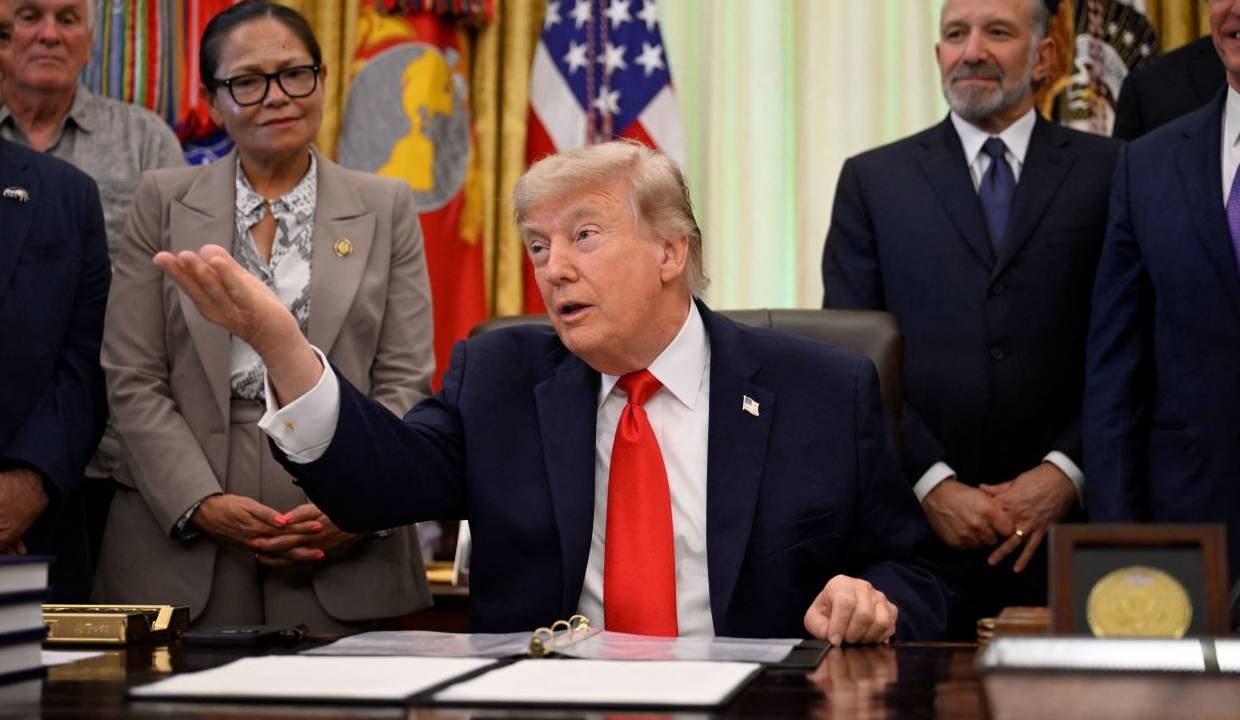
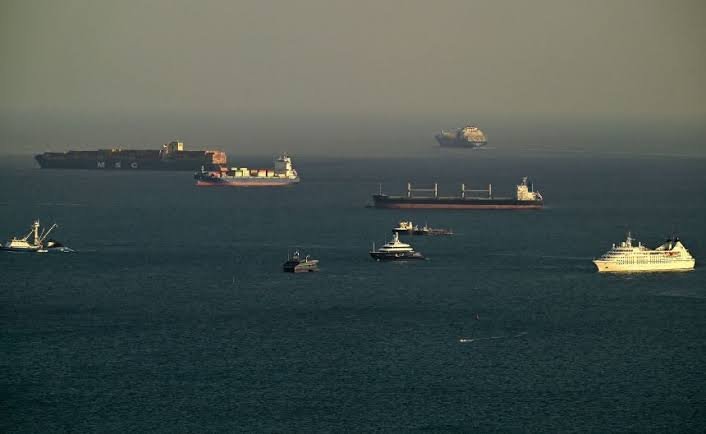
President Donald Trump stated that the primary objectives of the U.S. military effort are to weaken Iran’s military capabilities and prevent it from developing nuclear weapons. He also criticized NATO allies for their reluctance to assist in securing the Strait of Hormuz without a ceasefire.
Public opinion in the United States appears divided. A recent poll indicates that nearly two-thirds of Americans believe the country may enter a large-scale ground war, while only 7% support such a move, reflecting growing concern among voters.
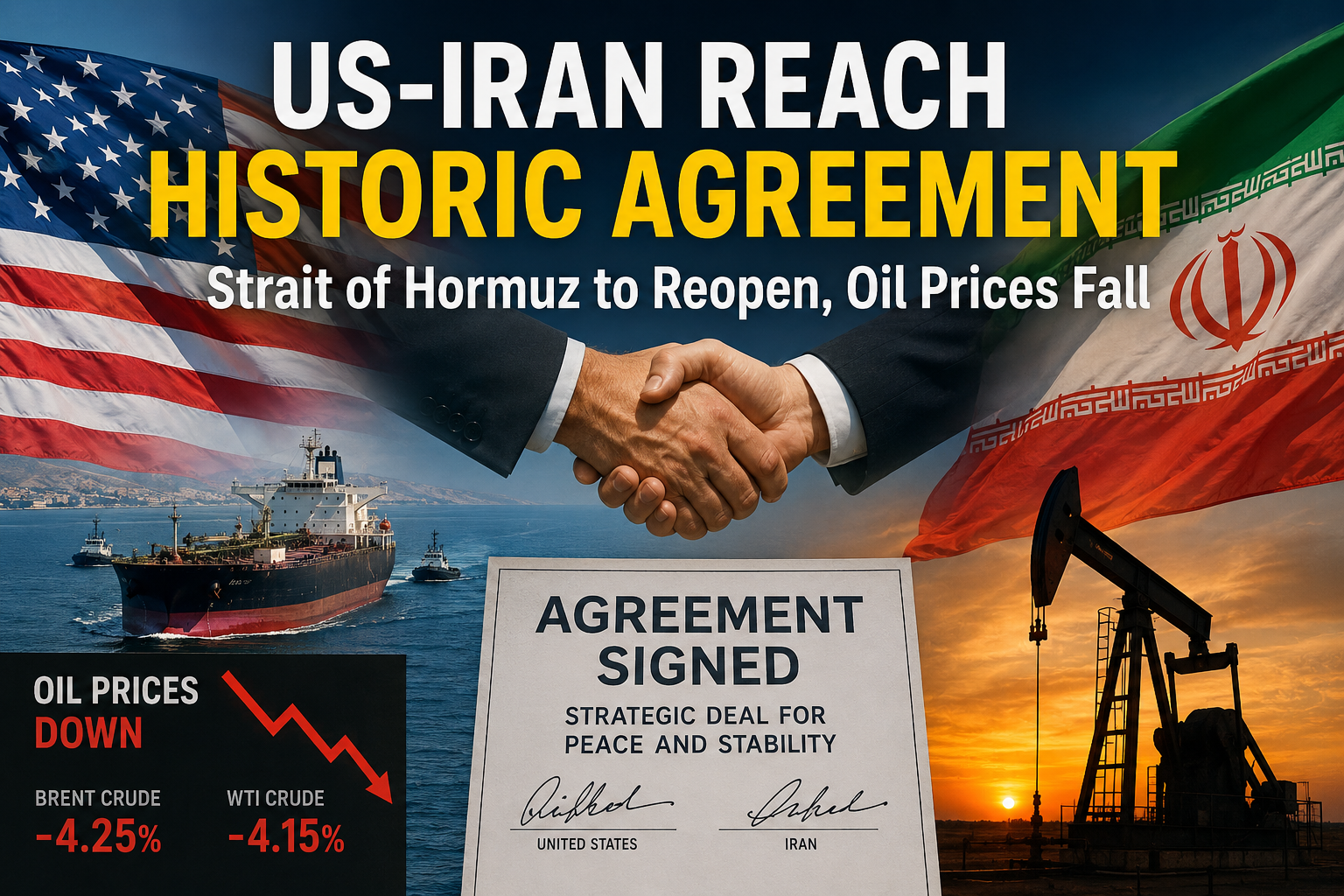
The conflict is already having a major impact on global energy markets. Oil prices have surged by nearly 50%, with Brent crude approaching $110 per barrel. Analysts estimate that around 12% of global oil supply has been disrupted, raising fears of a prolonged energy crisis and potential economic shock.
The escalation comes during significant cultural and religious observances, including Eid al-Fitr and Nowruz, adding to the regional sensitivity of the situation.
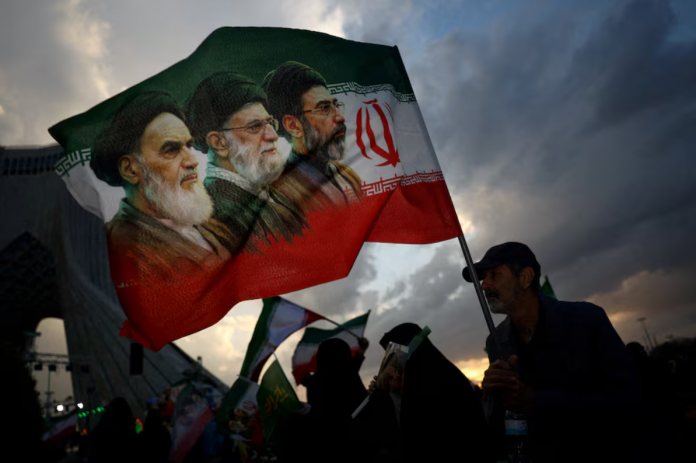
Iran’s Supreme Leader Mojtaba Khamenei issued a message of defiance, stating that Iran has responded with unity and resistance and will continue to confront its adversaries.
Analysts warn that unless tensions are reduced soon, the conflict could evolve into a full-scale regional war with serious consequences for global stability and the world economy.