Oil prices jump past $109 amid Hormuz crisis
Tensions in the Middle East have sharply escalated as targeted strikes, energy disruptions, and political pressure converge into a growing global crisis. The killing of top Iranian officials, attacks on key gas infrastructure, and rising oil prices are pushing the region—and the world—toward an uncertain and volatile phase.

Oil prices jump past $109 amid Hormuz crisis
Middle East Conflict Escalates: Leadership Strikes, Energy Crisis, and Global Tensions Rise
The ongoing conflict between Israel and Iran has entered a dangerous new phase, marked by targeted assassinations of top Iranian officials, attacks on critical energy infrastructure, and growing global economic consequences.
1. High-Level Assassinations Shake Iran’s Leadership
Israeli forces reportedly killed Iran’s Intelligence Minister Esmail Khatib, the latest in a سلسلة of high-profile eliminations targeting Iran’s leadership. This follows the earlier killing of senior security figure Ali Larijani, signaling a strategic effort to weaken Iran’s command structure.
In response, Iran’s new Supreme Leader, Ayatollah Mojtaba Khamenei, issued a rare and strong warning, vowing retaliation against Israel and its allies.
These developments highlight deep intelligence penetration and a shift toward direct leadership decapitation tactics in the war.
2. Global Oil Shock as Strait of Hormuz Crisis Deepens
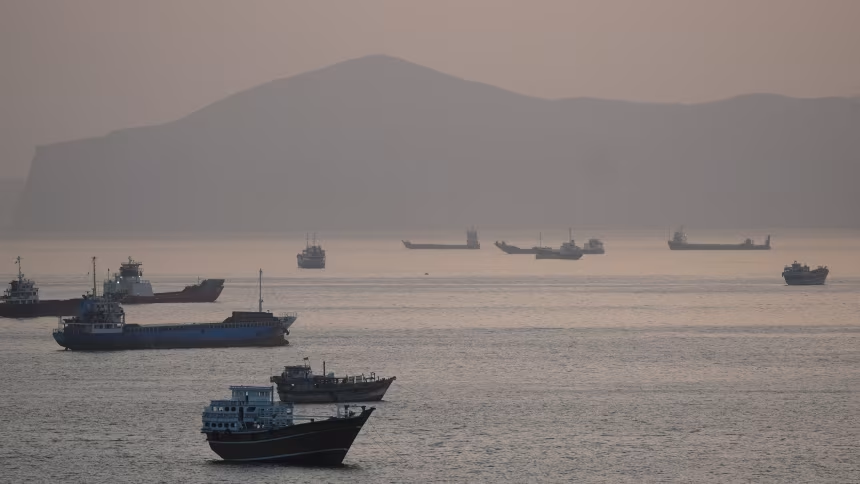
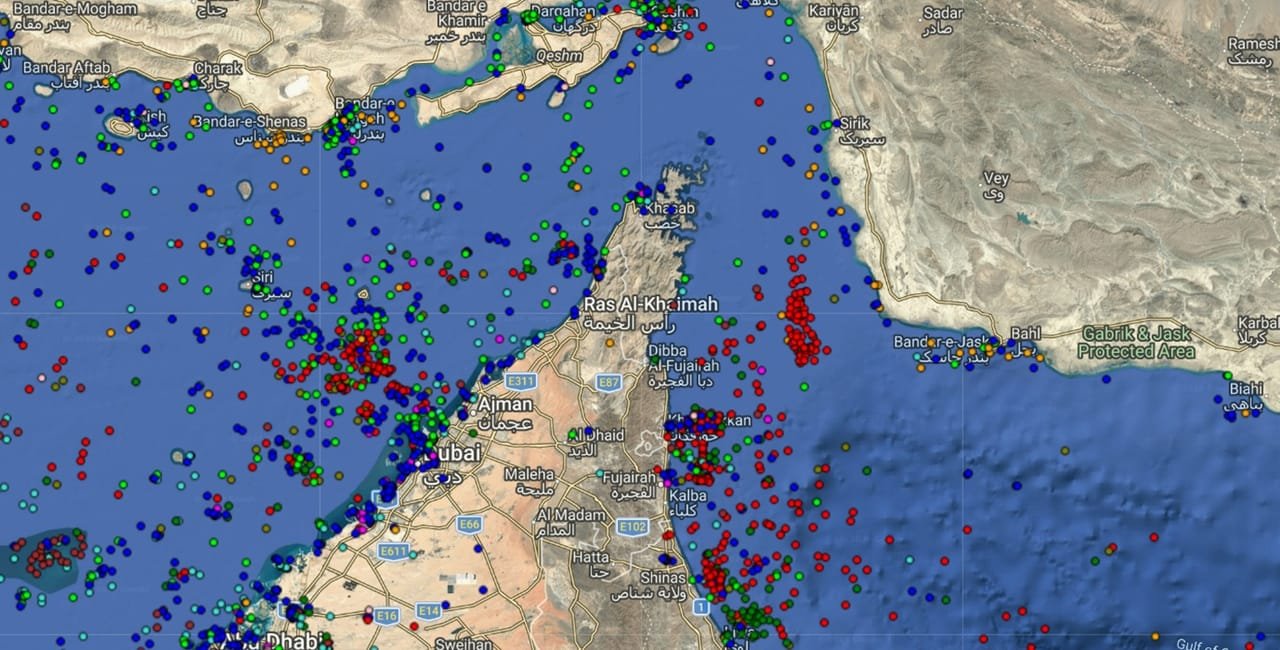
Oil prices surged over $109 per barrel, driven by fears of supply disruption as Iran effectively blocked maritime traffic through the Strait of Hormuz—a route responsible for around 20% of global oil flow.
Shipping activity has nearly halted, with attacks on vessels and warnings from Iran that ships linked to the U.S. or its allies could be targeted.
To stabilize markets:
- The U.S. eased sanctions on Venezuela
- Emergency oil reserves were released globally
- Maritime restrictions were temporarily relaxed
Despite these measures, energy markets remain volatile, and inflation risks are rising worldwide.
3. Attack on South Pars Gas Field Raises Stakes
In a major escalation, facilities linked to Iran’s South Pars gas field—the world’s largest natural gas reserve—were attacked.
The field supplies a major portion of Iran’s domestic energy and is shared with Qatar. The attack drew regional condemnation, with Qatar blaming Israel and warning of broader consequences.
This marks a shift toward targeting energy infrastructure, raising fears of a wider regional energy war.
4. U.S. Under Pressure Amid War Fallout
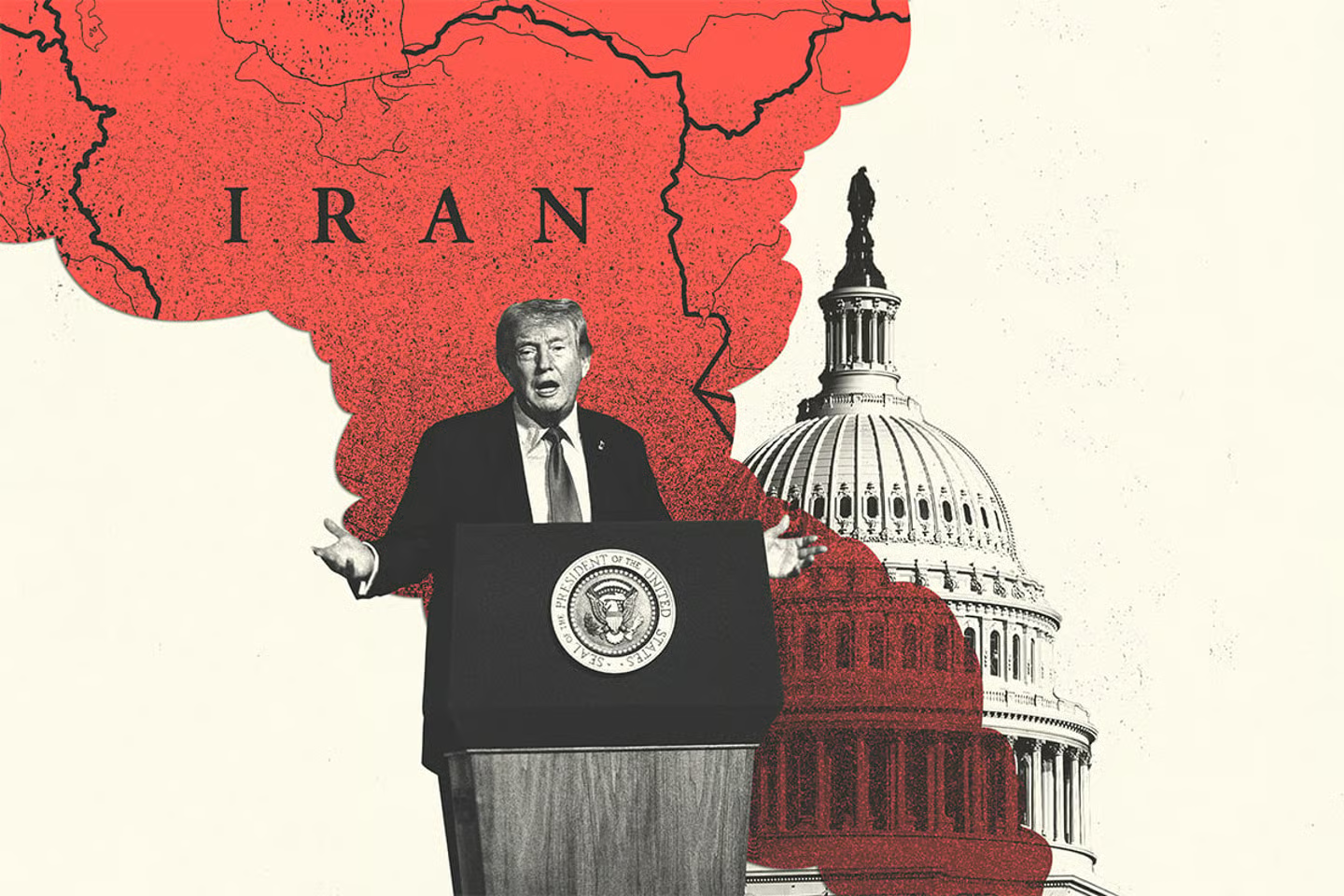
Back in Washington, senior officials from the Trump administration are facing intense congressional scrutiny.
Key issues include:
- Civilian casualties, including a reported strike on a school
- The broader strategy in the Iran war
- The FBI’s readiness to prevent retaliatory terror attacks داخل the U.S.
The hearings reflect growing domestic concern over both the humanitarian and security consequences of the conflict.
5. A Conflict with Global Consequences
The الحرب is no longer regional. Its effects are spreading globally:
- Oil and gas prices rising sharply
- Shipping routes disrupted
- Inflation pressure increasing
- خطر expansion into Gulf states
With no clear path to de-escalation, the situation remains highly volatile.