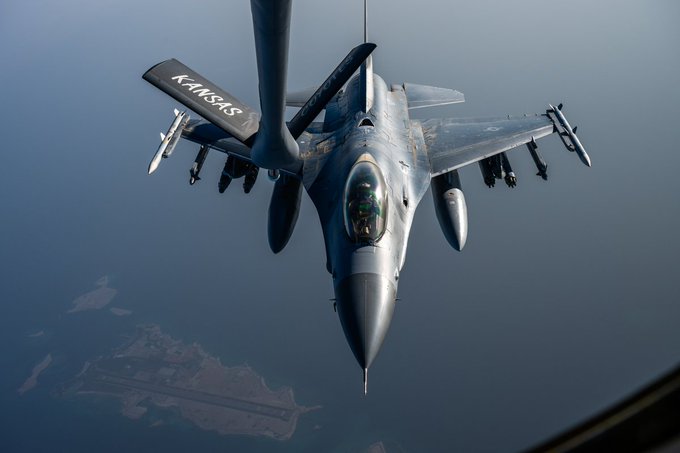
U.S. deploys 2,500 additional Marines to the region.
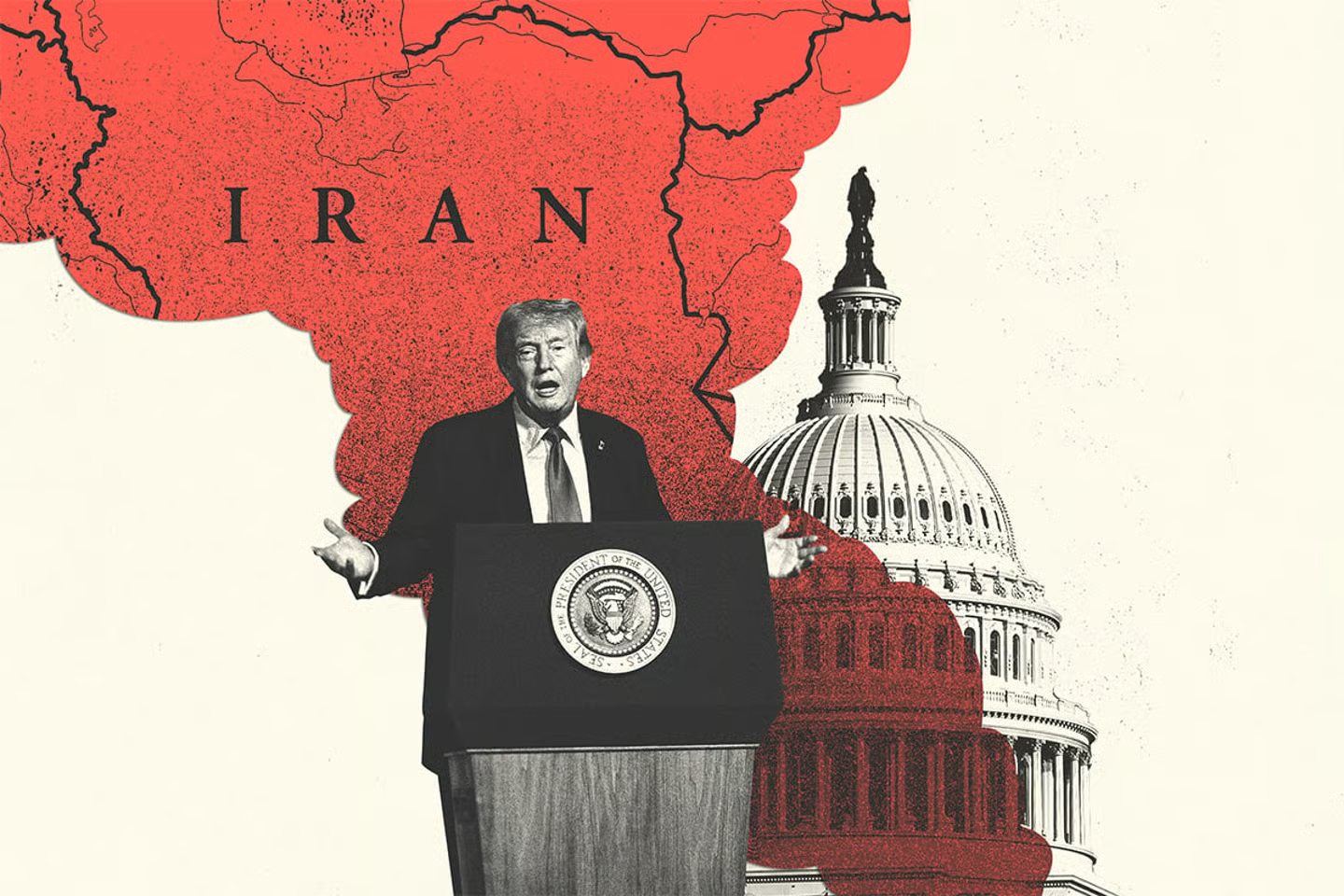
The Middle East conflict has escalated further as Iran threatens global targets, including tourist sites and recreational areas. Meanwhile, the U.S. is sending additional warships and Marines, intensifying the conflict. Oil prices are soaring, and civilians worldwide are feeling the impact.

U.S. deploys 2,500 additional Marines to the region.
DUBAI, UAE , March 20: The conflict in the Middle East has entered its fourth week, with no signs of de-escalation. Iran has warned that its retaliatory attacks could extend globally, targeting recreational and tourist sites. The announcement comes as the United States is sending additional warships and Marines to reinforce its presence in the region.
The situation is further complicated by mixed messages from the U.S. administration. President Donald Trump stated on social media that military operations may be “wound down” as objectives are nearing completion, despite the continued deployment of thousands of additional troops.
Escalating Conflict and Civilian Impact
Iran has launched repeated missile and drone attacks on Israel and critical energy infrastructure in Gulf Arab states. In response, Israeli forces carried out airstrikes targeting military and nuclear-related sites in Tehran during Nowruz, the Persian New Year. The airstrikes coincided with Eid al-Fitr, the end of Ramadan, adding to the tension.
The war has resulted in substantial casualties. Over 1,300 people have died in Iran, while Israeli airstrikes on Hezbollah positions in Lebanon have displaced over 1 million people and killed more than 1,000. In Israel, 15 people have died due to Iranian missile attacks, 4 in the occupied West Bank, and at least 13 U.S. military personnel have been killed.
U.S. Military Buildup
The United States is significantly increasing its military assets in the region. Three additional amphibious assault ships and approximately 2,500 Marines are being deployed. Earlier, another group of 2,500 Marines was redirected from the Pacific. These troops join over 50,000 U.S. forces already stationed in the region.
President Trump has stated that he has no current plans for a ground invasion of Iran but retains all options. The administration also requested an additional $200 billion from Congress to fund ongoing operations.
Iran’s Global Threats
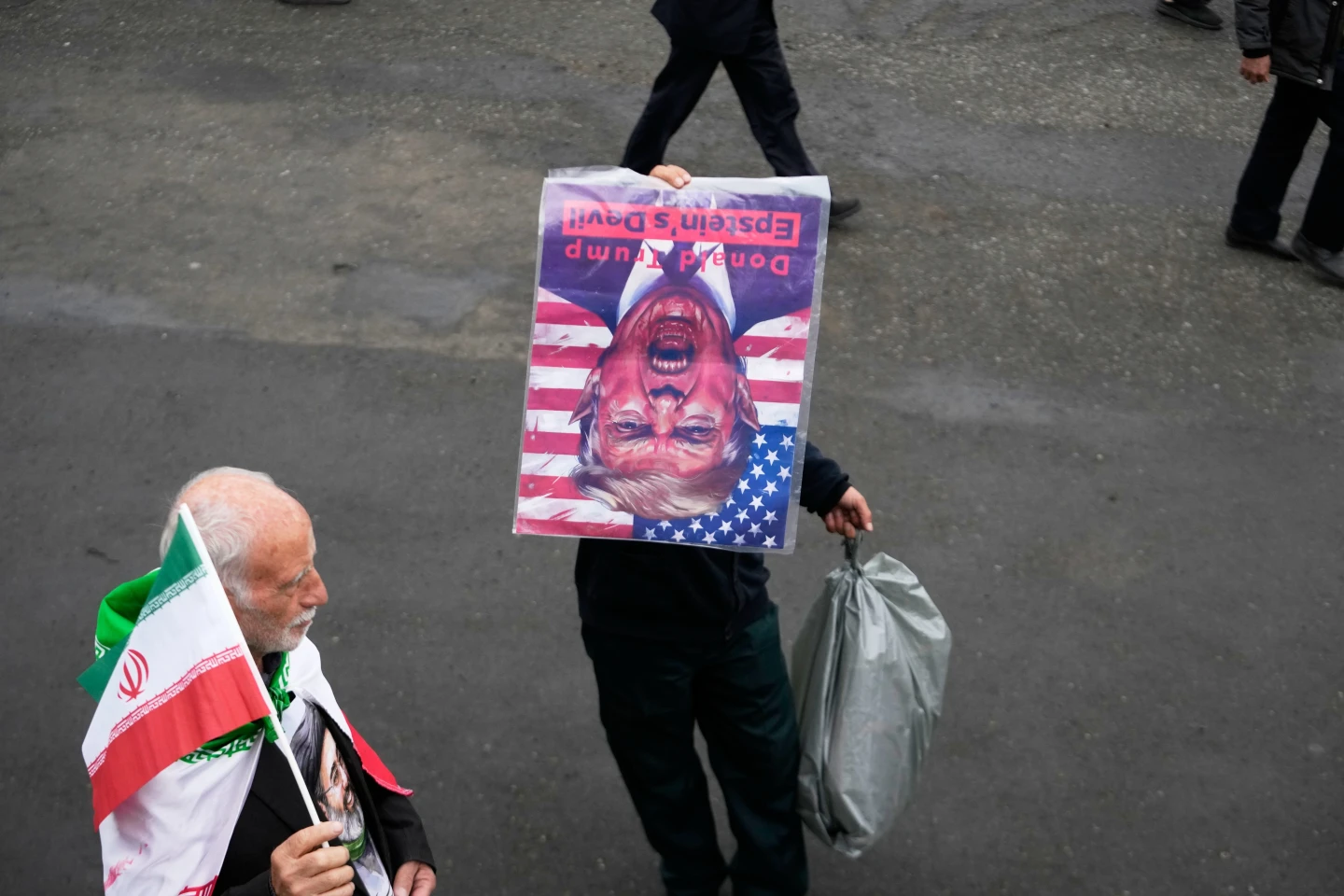
Iranian officials have issued warnings that tourist sites, parks, and recreational areas worldwide may not be safe for the country’s adversaries. Supreme Leader Mojtaba Khamenei praised the unity and resilience of Iranians and dismissed claims that targeting leaders would destabilize the government. Several top Iranian military and intelligence officials, including Gen. Ali Mohammad Naeini, were reportedly killed in airstrikes, raising questions about command continuity.
Energy Crisis and Strategic Waterways
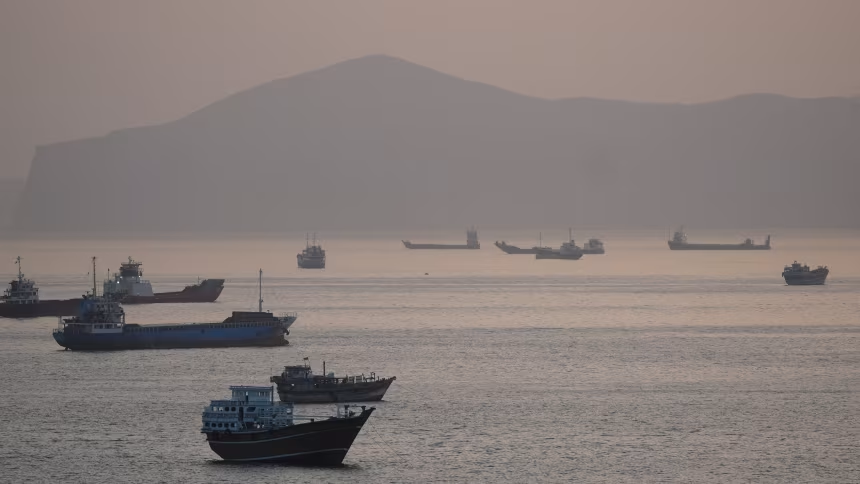
Iran continues to control the Strait of Hormuz, a crucial maritime route through which nearly 20% of global oil trade passes. Drone attacks on Kuwait’s Mina Al-Ahmadi refinery, capable of processing 730,000 barrels per day, have disrupted oil supply. Brent crude has surged to around $108 per barrel, up from $70 before the conflict, triggering global energy concerns.
International Response
NATO has relocated personnel from Iraq after Iranian attacks on coalition bases. The United Kingdom authorized the U.S. to use its bases for operations to prevent attacks on shipping in the Strait of Hormuz. Other allied nations remain cautious, limiting direct military involvement.
Humanitarian and Economic Impact
The conflict has caused massive displacement and civilian casualties across the region. Rising food and fuel prices are now being felt globally, illustrating the wider economic repercussions. Analysts warn that without swift de-escalation, the conflict could evolve into a full-scale regional war with serious implications for global security and the economy.