US–Iran War: Major Obstacles Emerge as Both Sides Hold Firm Positions
Tensions between the United States and Iran are escalating as both sides push sharply opposing demands, casting serious doubt over any near-term peace talks.

US–Iran War: Major Obstacles Emerge as Both Sides Hold Firm Positions
Efforts to end the ongoing conflict between the United States and Iran are facing serious challenges, as both sides continue to outline sharply different demands, raising doubts about the possibility of near-term negotiations.
Almost a month after indirect talks in Geneva involving US envoys Steve Witkoff and Jared Kushner, the situation has shifted dramatically. Despite earlier diplomatic signals, the US and Israel launched military operations against Iran shortly afterward.
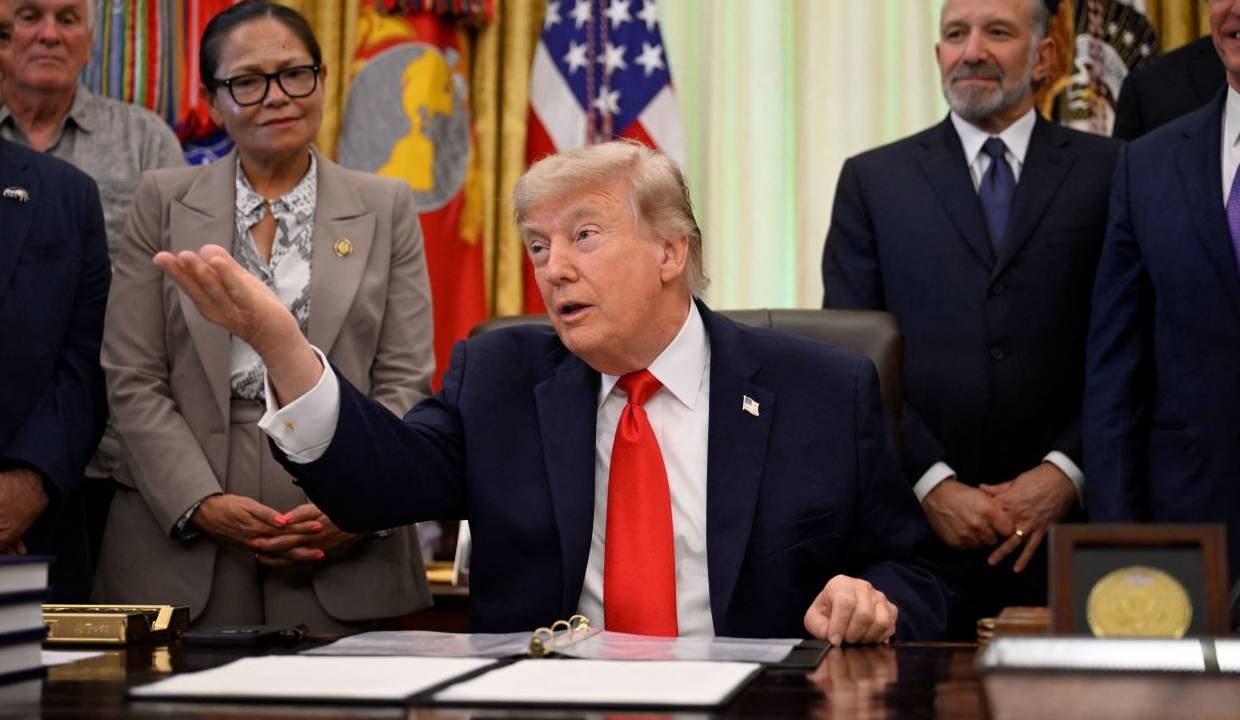
Now, President Donald Trump has signaled a renewed interest in negotiations, but insiders say the path forward remains highly uncertain.
Stark Differences in Demands
According to sources, the US has conveyed a 15-point proposal to Iran via intermediaries, including:
- A complete halt to Iran’s nuclear weapons ambitions
- Transfer of highly enriched uranium to US control
- Restrictions on Iran’s defense capabilities
- Ending support for regional proxy groups
However, analysts say these demands are unlikely to be accepted by Tehran.
Former US official Nate Swanson noted that such conditions leave “no realistic space” for successful negotiations.
Iran’s Counter Demands
Iran has responded with its own set of conditions, including:
- Immediate end to military attacks and assassinations
- Guarantees against future aggression
- Compensation for war damages
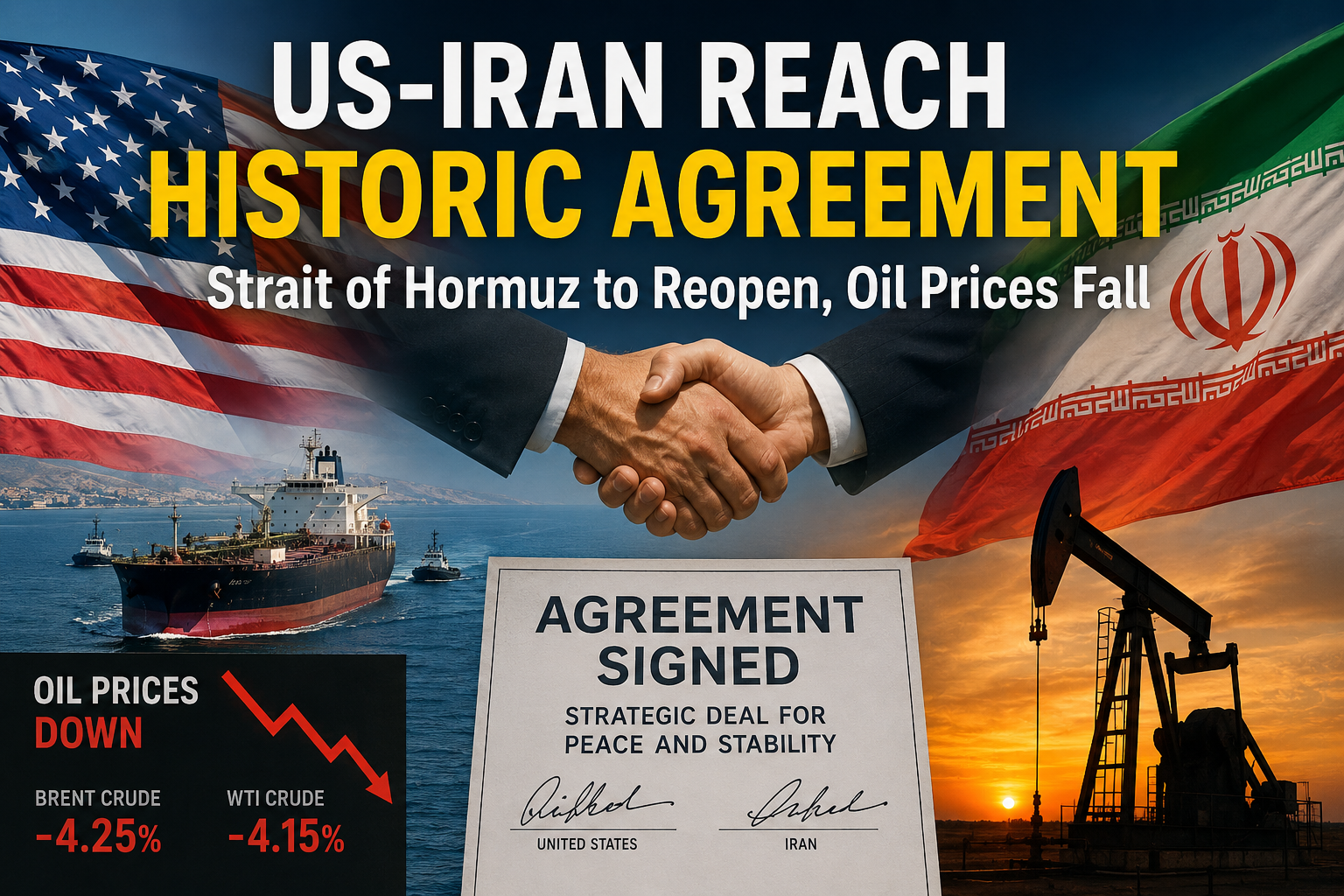
- Recognition of Iran’s control over the Strait of Hormuz
- Full halt to operations against Iranian-backed groups
Iranian officials insist that current exchanges are not formal negotiations, but rather indirect messaging through mediators.
Foreign Minister Abbas Araghchi described the situation as “an exchange of positions, not dialogue.”
Strategic Pressure: Strait of Hormuz
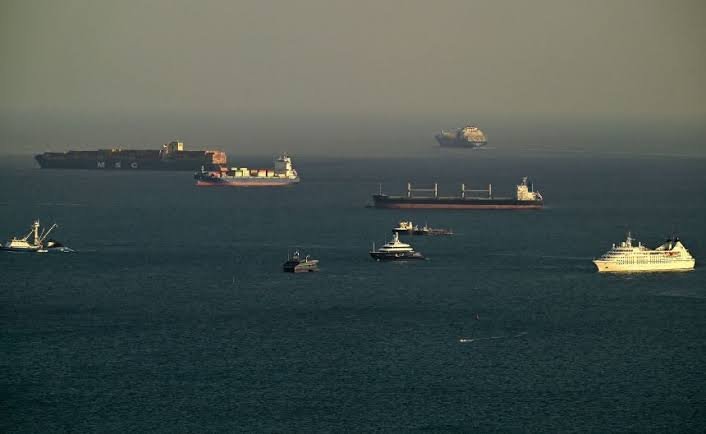
A major factor complicating diplomacy is Iran’s increased leverage over the Strait of Hormuz—a critical global oil route.
Tehran’s ability to influence this chokepoint has already driven up global fuel prices and added pressure on international markets. Analysts say this gives Iran a stronger bargaining position than before the conflict.
Israel’s Concerns
Israel remains cautious about US diplomatic efforts. Officials fear a temporary ceasefire could allow Iran to regroup without addressing key issues like:
- Ballistic missile development
- Regional proxy networks
Israeli sources indicate skepticism about any quick diplomatic breakthrough.
Possible Talks and Mediation Efforts
The US is reportedly exploring new talks, potentially in Pakistan or Turkey, with Vice President JD Vance expected to play a leading role.
Interestingly, Iran has signaled reluctance to engage with Witkoff and Kushner again, preferring alternative interlocutors.
Meanwhile, Gulf and European allies are urging restraint, warning against further escalation.
Rising Military Tensions
Despite talk of diplomacy, military activity continues to intensify:
- Around 1,000 US troops from the 82nd Airborne Division are preparing for deployment
- Discussions of potential strategic targets, including Kharg Island, are ongoing
White House Press Secretary Karoline Leavitt warned that if Iran refuses current realities, the US is “prepared to unleash hell.”
No Clear Path to Agreement
There is currently no clear framework for a viable deal. Allies remain divided:
- Some push for an immediate ceasefire
- Others demand a comprehensive agreement addressing nuclear, missile, and regional threats
UAE Ambassador Yousef Al Otaiba emphasized that a simple ceasefire is insufficient without addressing broader security concerns.