
New Dispute Over Barbed Wire Fencing at India-Bangladesh Border, Call for Review of Border Agreements
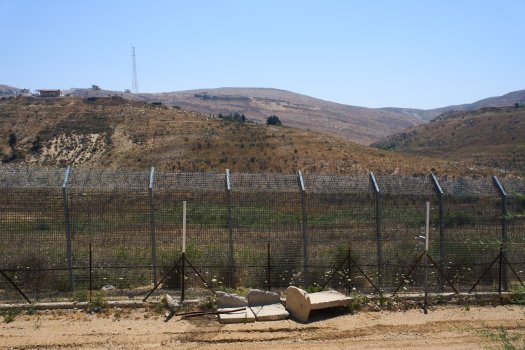
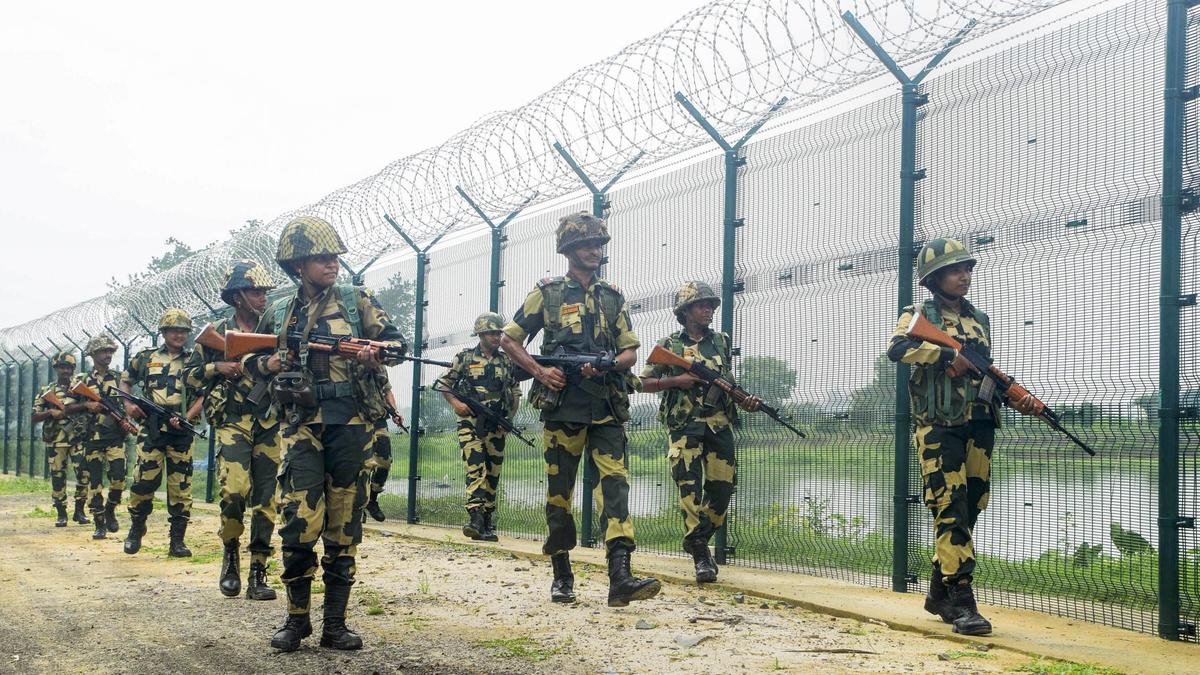
Bangladesh's interim government, led by Nobel Laureate Muhammad Yunus, has strongly opposed the installation of barbed wire fencing by India's Border Security Force (BSF) along the border. This has created a new dispute between India and Bangladesh, which was previously considered a settled border issue.
The Yunus government has objected to the barbed wire fencing along the India-Bangladesh border, stating that it is reviewing the border agreements signed during the tenure of Sheikh Hasina's government. This move has escalated tensions between the two countries, especially after Yunus was appointed as the chief adviser following a student movement that led to the fall of the seven-month Hasina government in August.
On January 12, Bangladesh's Ministry of Foreign Affairs summoned Indian High Commissioner Pranay Verma to express "deep concern" over the recent activities of the Border Security Force (BSF). A few hours later, India's Ministry of External Affairs (MEA) summoned Bangladesh's Deputy High Commissioner Nural Islam over border-related issues.
During the meeting, Bangladesh's Foreign Secretary Jashim Uddin protested India's attempt to install barbed wire fencing along the border without prior approval, urging India to advise its concerned authorities to refrain from actions that could escalate tensions along the shared border.
Bangladesh's Home Affairs Adviser Lt Gen (Retd.) Md Jahangir Alam Chowdhury claimed that the BSF's recent fencing activities in five border areas, including Chapainawabganj, Naogaon, Lalmonirhat, and the Tin Bigha Corridor, have heightened tensions in the region.
India has stated that it is constructing the barbed wire fence along the border under agreements aimed at ensuring border security and combating crimes such as smuggling, trafficking, and movement of criminals.
Meanwhile, the Yunus government claims that its Border Guard Bangladesh (BGB) has been successful in preventing the BSF from installing fences along the border.
India and Bangladesh share a 4,096-kilometer-long border, of which about 20 percent is unfenced. Reports indicate that the fencing issue has led to increased tension between the two countries, particularly along the unfenced sections of the border.
The Yunus government has called for a review of several border-related agreements, including the 1974 Land Boundary Agreement, the 2011 Joint India-Bangladesh Border Management Plan, and other agreements signed during Sheikh Hasina's government.