Trump weighs targeted strikes on Iran to pressure leadership amid protest fallout
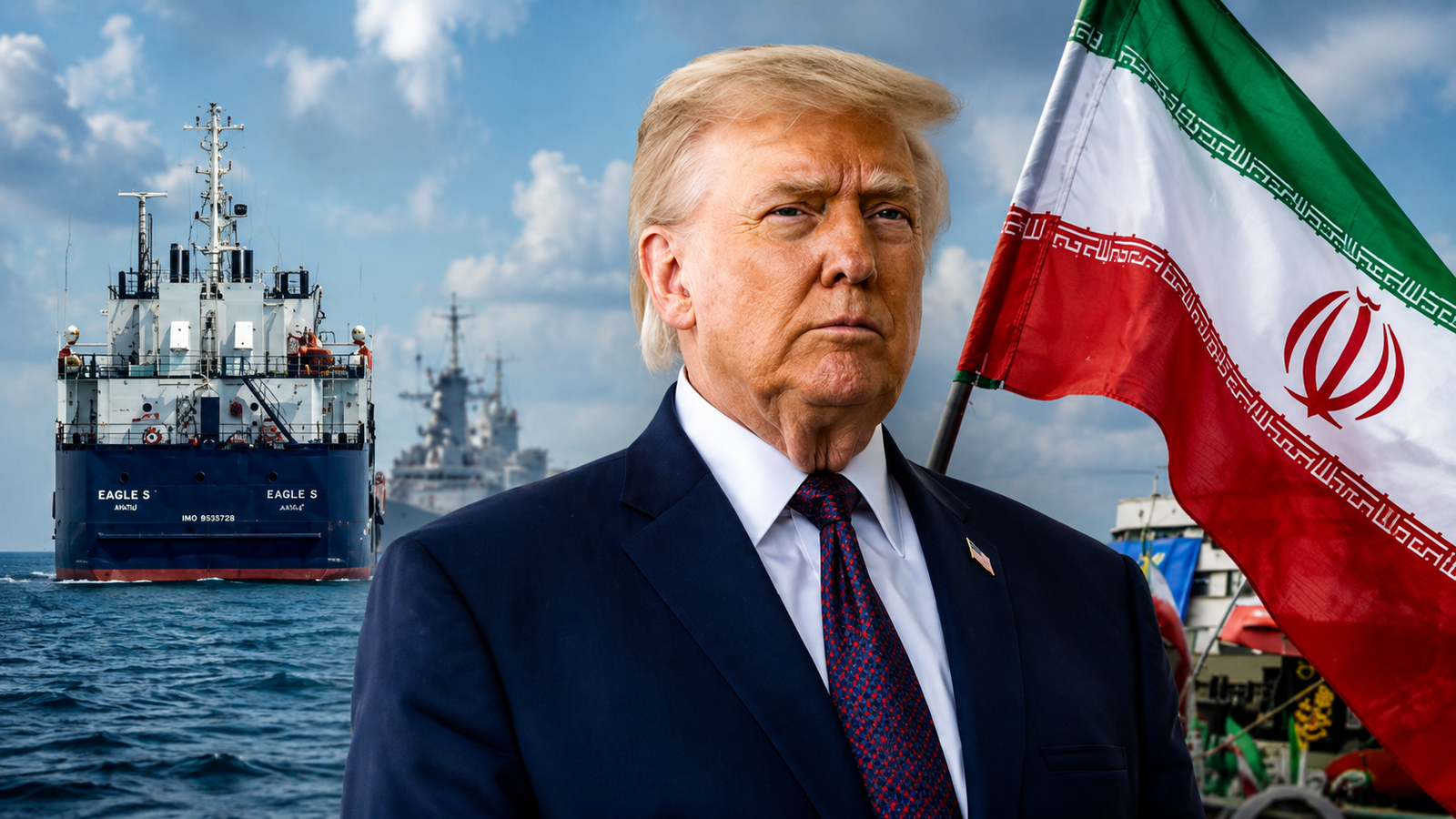
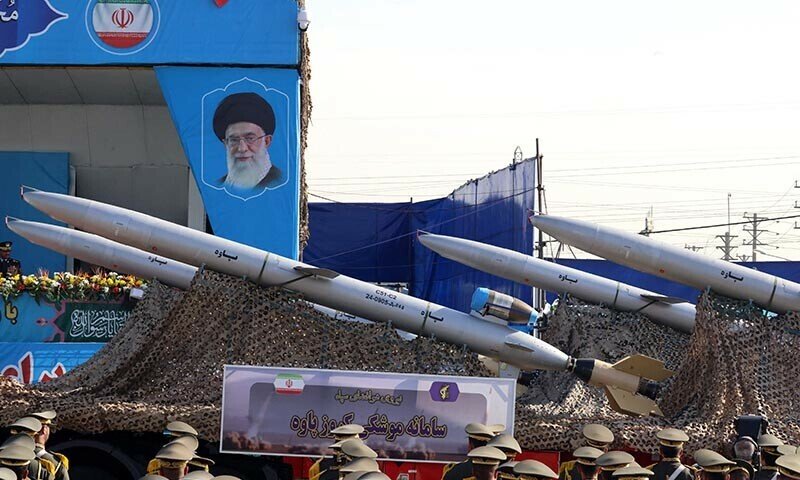
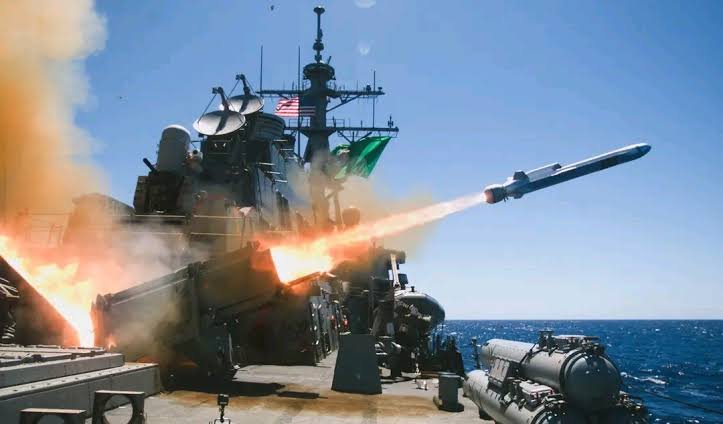
U.S. President Donald Trump is weighing targeted military strikes against Iran’s security forces and leadership in an effort to weaken Supreme Leader Ayatollah Ali Khamenei’s grip on power and revive stalled protests, multiple U.S., Arab and Western sources told Reuters.

Trump weighs targeted strikes on Iran to pressure leadership amid protest fallout
Western and Arab officials said Trump’s apparent goal is to engineer a leadership transition rather than completely topple Iran’s political system, a scenario they compared to Venezuela, where U.S. pressure led to a change in president without dismantling state institutions.
During a U.S. Senate hearing this week, Secretary of State Marco Rubio said Washington hoped for a similar outcome in Iran if Khamenei were to fall, while acknowledging that Iran’s political structure is far more complex. U.S. officials said it remains unclear who would succeed Khamenei if he were removed.
Khamenei, 86, has acknowledged thousands of deaths during the recent nationwide protests, blaming the unrest on the United States, Israel and what he called “seditionists.”
U.S.-based rights group HRANA estimates 5,937 people were killed, including 214 security personnel, while Iranian authorities put the death toll at 3,117. Reuters has been unable to independently verify the figures.
Khamenei Still in Control
Regional officials said Khamenei has retreated from day-to-day governance, limited public appearances and is believed to be operating from secure locations following Israeli strikes last year that killed several senior Iranian military figures.
Daily decision-making has increasingly shifted to figures aligned with the Islamic Revolutionary Guard Corps (IRGC), including senior adviser Ali Larijani. The IRGC dominates Iran’s security apparatus and large parts of the economy.
Despite his reduced visibility, Khamenei retains final authority over war decisions, nuclear strategy and succession, making political change difficult while he remains in power.
Regional Fears and Blowback
Arab and Western diplomats warned that Iran’s collapse could trigger regional chaos, potentially leading to civil war, refugee flows, Islamist militancy and disruptions to oil shipments through the Strait of Hormuz.
Gulf states including Saudi Arabia, Qatar, Oman and Egypt have urged Washington against military strikes. Saudi Crown Prince Mohammed bin Salman reportedly told Iranian President Masoud Pezeshkian that Riyadh would not allow its territory or airspace to be used for attacks on Iran.
“The United States may pull the trigger, but it will not live with the consequences. We will,” one Arab official said.
Limits of Air Power
A senior Israeli official told Reuters that airstrikes alone could not overthrow Iran’s clerical leadership.
“If you’re going to topple the regime, you need boots on the ground,” the official said, noting that killing Khamenei would not end the system.
Analysts said the most likely scenario is a slow erosion of power, marked by elite defections, economic paralysis and a contested succession, rather than sudden regime collapse.
Trump has urged Iran to return to nuclear talks, warning that any future U.S. strike would be “far worse” than previous attacks on Iranian nuclear sites. Iran has said it is open to dialogue but would defend itself “like never before” if attacked.