South Korea Faces Political Turmoil as Police Raid Presidential Office Over Martial Law Attempt
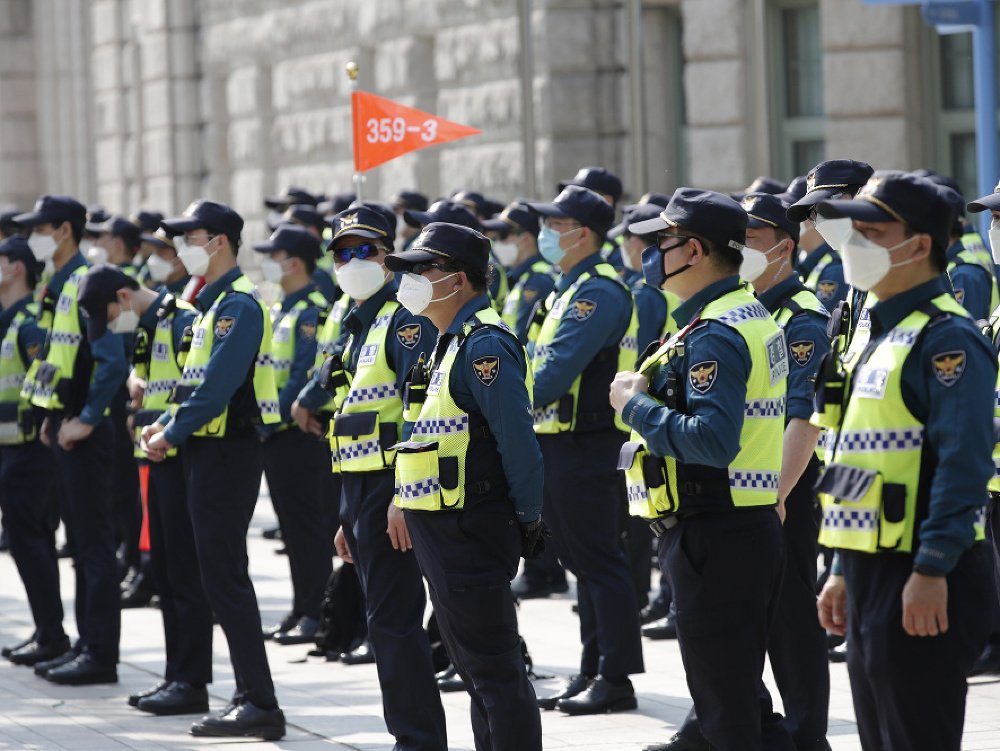
In a major escalation of South Korea's ongoing political crisis, police have raided the Seoul office of President Yoon Suk Yeol following allegations of an attempt to impose martial law. The unprecedented raid comes amidst growing public outcry and political unrest, marking a critical juncture in the nation’s democratic history.

South Korea Faces Political Turmoil as Police Raid Presidential Office Over Martial Law Attempt
South Korea Faces Political Turmoil as Police Raid Presidential Office Over Martial Law Attempt
In a major escalation of South Korea's ongoing political crisis, police have raided the Seoul office of President Yoon Suk Yeol following allegations of an attempt to impose martial law. The unprecedented raid comes amidst growing public outcry and political unrest, marking a critical juncture in the nation’s democratic history.
Failed Martial Law Attempt Sparks Outrage
The controversy began last week with a failed attempt to enforce martial law, an action that sent shockwaves through South Korea’s political establishment. The declaration, widely criticized as an overreach of executive power, was quickly annulled by the National Assembly on Tuesday night. However, the fallout has been severe, with President Yoon now under intense scrutiny from lawmakers, the judiciary, and the public.
Impeachment and Investigations
President Yoon Suk Yeol has already been impeached by the National Assembly, a move that underscores the gravity of the situation. Despite repeated calls for his resignation, Yoon has remained steadfast in his position, arguing that the martial law attempt was a mistake for which he has apologized.
“I deeply regret the decision to declare martial law and assure the nation that such an order will never be issued again,” President Yoon stated in a public address.
However, his apology has done little to quell the mounting criticism. Investigations are underway across multiple branches of government, with prosecutors leveling serious charges of rebellion and treason against the president.
Legal Complexities of Impeachment
South Korea’s legal framework adds a layer of complexity to the unfolding drama. Although the National Assembly has impeached President Yoon, the country’s constitution does not require an immediate relinquishment of power. Instead, the impeachment must be reviewed by a nine-member Constitutional Court committee.
For the president to be officially removed, at least six of the nine members must agree to uphold the impeachment. This process, while designed to ensure checks and balances, has created a window of uncertainty during which Yoon retains executive authority.
Public and Political Reactions
The raid on the presidential office has further galvanized opposition parties and civil society groups, with many accusing President Yoon of undermining South Korea’s democratic institutions. Massive protests have erupted in Seoul and other major cities, with demonstrators demanding his immediate resignation.
“This is not just about one man. It’s about safeguarding our democracy from authoritarianism,” said Kim Ji-hye, a prominent activist leading one of the protests in central Seoul.
What Lies Ahead
The ongoing investigations, coupled with the Constitutional Court’s impending decision, will determine the fate of President Yoon’s presidency. Political analysts warn that the crisis could have far-reaching implications for South Korea’s political stability and international standing.
As the nation awaits further developments, the attempted martial law declaration has become a stark reminder of the fragile balance between executive power and democratic accountability.
This story remains developing, with updates expected as investigations and legal proceedings continue.