Nobel Laureate Han Kang Expresses Deep Concern Over South Korea’s Political Crisis
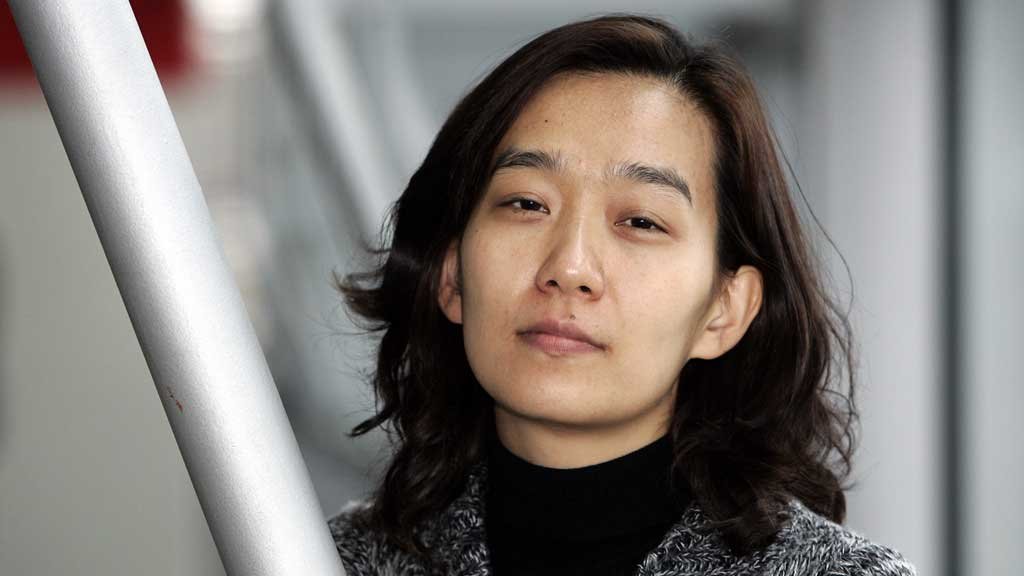
This year’s Nobel Prize-winning South Korean author Han Kang expressed her profound dismay on Friday regarding the recent political turmoil in her country following the president’s abrupt declaration of martial law. Speaking from Stockholm, where she is set to receive the prestigious Nobel Prize for Literature, Han shared her reflections on the unfolding crisis.
“Like many South Koreans, I am deeply troubled,” Han said. “I have been closely monitoring the shifting political landscape in my country.”
The Declaration of Martial Law
On Tuesday, South Korean President Yoon Suk Yeol unexpectedly announced martial law during a national address, catching the nation off guard. At the time of the announcement, military forces and helicopters were reportedly not fully prepared for deployment. The president suspended civilian rule and ordered parliament members to abstain from voting against the declaration.
However, the announcement sparked immediate outrage among parliamentarians and the general public. Thousands of citizens surrounded the parliament building in protest, and 280 military personnel were deployed to barricade its entrance. Despite the blockade, lawmakers forced their way into the parliament building and, under the leadership of the speaker, organized a vote.
With the majority opposition, led by the Liberal Democratic Party, casting votes against the martial law, the speaker annulled the declaration. Shortly after, an emergency cabinet meeting officially revoked the order.
Han Kang’s Reflections on History and the Present
Han Kang, renowned for her Booker Prize-winning novel The Vegetarian, drew parallels between the current crisis and the authoritarian rule of the 1979-1980 era. Born in Gwangju, a city that witnessed brutal military crackdowns during that period, Han shared her personal recollections of witnessing soldiers’ violent suppression of pro-democracy protests.
“I vividly remember the parachutists descending from the sky and the indiscriminate shooting of demonstrators,” Han said, recounting the horrors of her youth. “I spent a significant part of my life studying and reflecting on the human-made atrocities of that time.”
Reflecting on the current situation, she added, “It is both a strange fortune and a tragic reality to witness martial law again in 2024.”
A Voice for Democracy
Han’s comments have resonated with South Koreans and the global community, highlighting the fragility of democratic institutions. As South Korea navigates its way out of this crisis, Han’s insights serve as a poignant reminder of the importance of vigilance and collective resistance in protecting democracy.