The Appellate Division has stayed the High Court's ruling declaring August 15, the day Bangabandhu and his family were assassinated in 1975, as National Mourning Day, sparking controversy in Bangladesh's political landscape.
The Appellate Division of the Supreme Court has stayed the High Court’s ruling that declared August 15 as National Mourning Day, commemorating the assassination of Bangladesh's founding president, Bangabandhu Sheikh Mujibur Rahman, and his family. This decision has sparked fresh debate in the country’s political sphere.

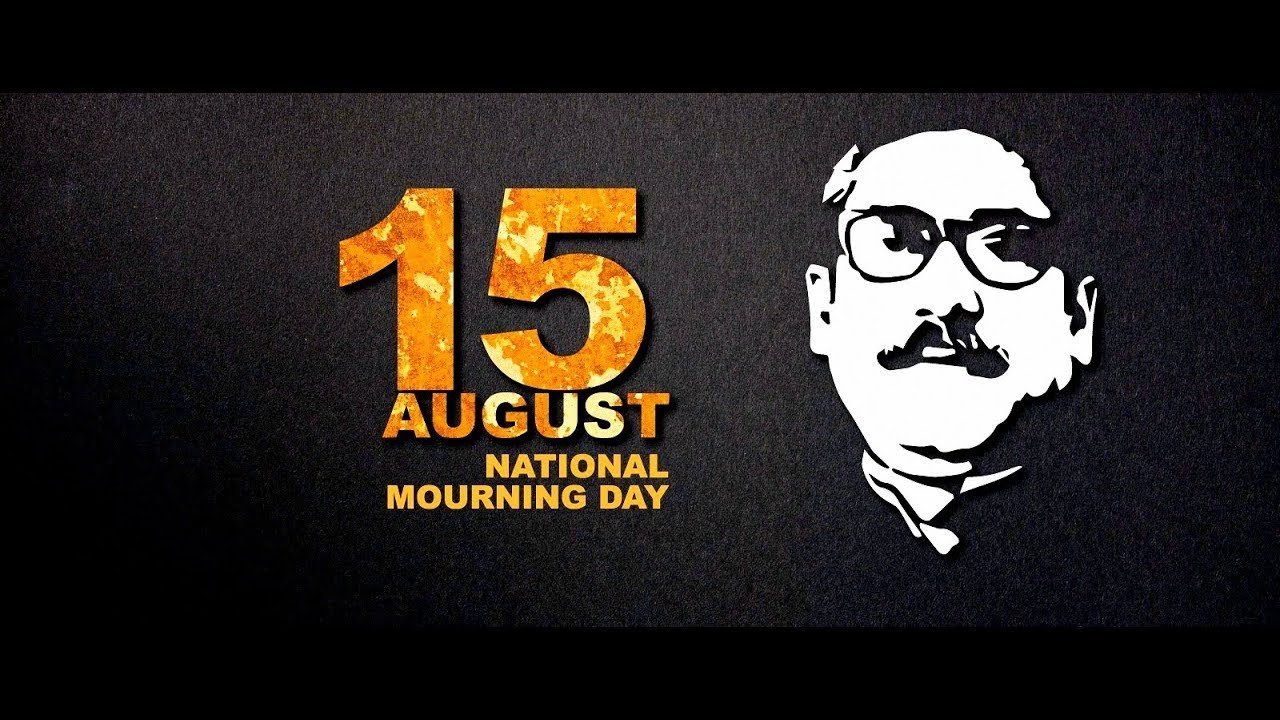
The Appellate Division has stayed the High Court's ruling declaring August 15, the day Bangabandhu and his family were assassinated in 1975, as National Mourning Day, sparking controversy in Bangladesh's political landscape.
The Appellate Division of the Supreme Court has stayed the High Court’s ruling that declared August 15 as National Mourning Day, commemorating the assassination of Bangladesh's founding president, Bangabandhu Sheikh Mujibur Rahman, and his family. This decision has sparked fresh debate in the country’s political sphere.
Background
On August 15, 1975, Bangabandhu Sheikh Mujibur Rahman and his family were brutally assassinated. For 21 years, this day was not officially observed as a national mourning day, though the Awami League continued to commemorate it at the party level.
In 1996, after the Awami League came to power, August 15 was officially declared as National Mourning Day and included as a public holiday.
However, in 2002, during the tenure of the BNP-Jamaat coalition government, the status of August 15 as National Mourning Day and its designation as a public holiday were revoked.
In 2008, the High Court reinstated August 15 as National Mourning Day and declared it a public holiday.
Recent Developments
On August 13 of this year, following consultations with political parties, the Ministry of Public Administration issued a notification canceling the public holiday on August 15.
Subsequently, in October, the Cabinet Division issued an order confirming the removal of the public holiday on this date.
The matter was then taken to the Appellate Division, which has now stayed the High Court’s verdict, putting the observance of National Mourning Day in question.
Reactions
The decision has drawn various reactions from political circles. Some have labeled it a disrespect to the Father of the Nation and a threat to national unity.
Legal Perspective
Legal experts have stated that the Appellate Division’s stay effectively halts the implementation of the High Court’s earlier ruling but does not resolve the matter definitively. A final decision will depend on the outcome of the Appellate Division’s full hearing on the case.
The observance of August 15 as National Mourning Day remains a significant issue in Bangladesh's history and politics. The Supreme Court's decision has deepened the controversy, likely fueling nationwide discussions and debates on the matter.