

Trump Introduces New Rules Limiting How Federal Contractors Share Information With Congress
U.S. President Donald Trump has introduced new restrictions on federal contractors, requiring them to notify the White House before providing information to Congress. The order has sparked debate over government transparency, congressional oversight, and presidential executive authority.

International Broadcast Journalist · CSB News USA
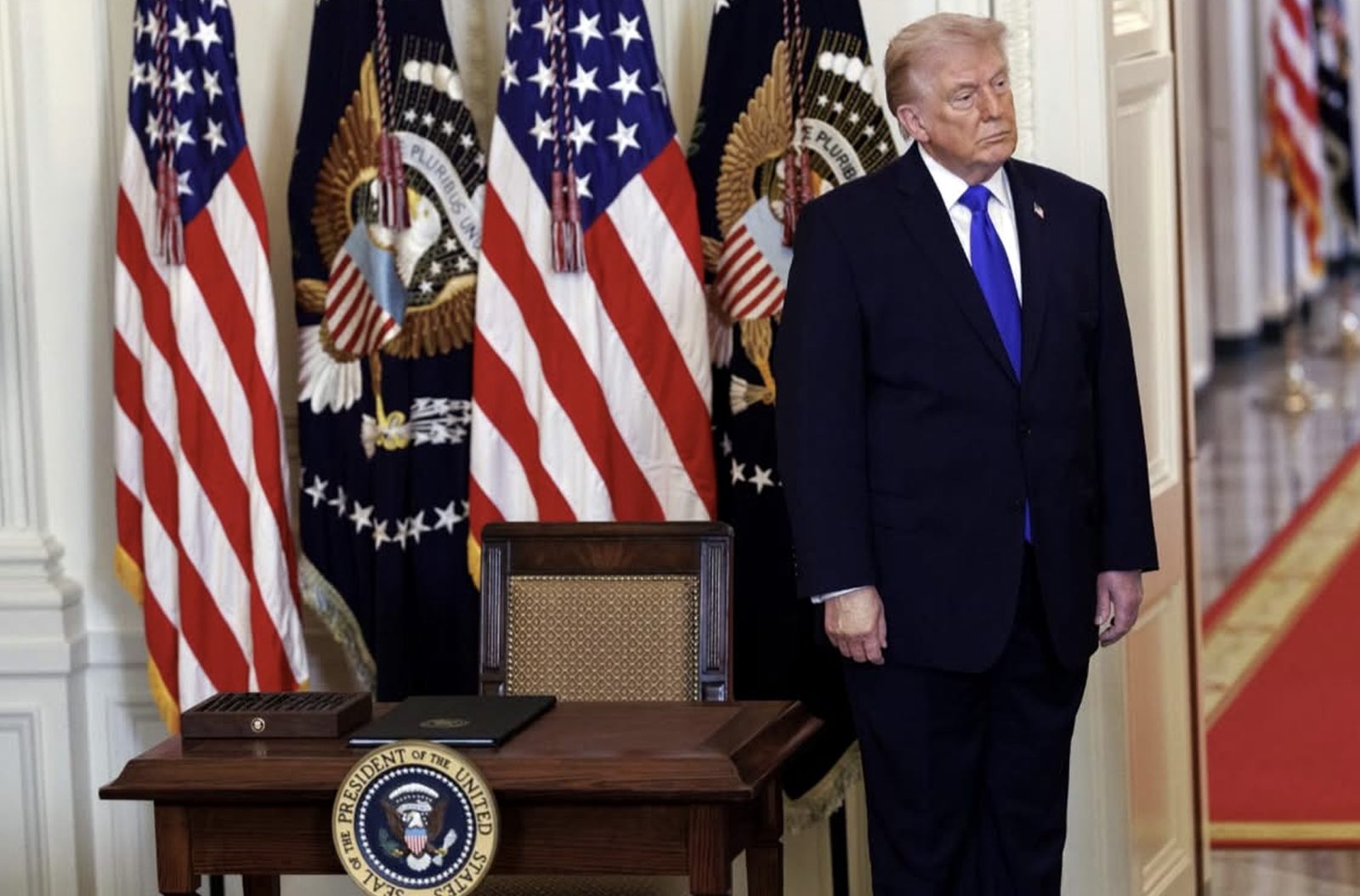
U.S. President Donald Trump has signed a new executive order requiring federal contractors to notify the White House and relevant government agencies before providing certain information to Congress.
The order, signed on Friday, November 20, 2026, introduces new requirements for companies working under federal government contracts. It also applies to subcontractors involved in federal projects.
According to reports, the administration says the measure is intended to protect confidential government communications and ensure that sensitive information is handled appropriately.
Under the new directive, federal contractors must notify the White House and the relevant government agency if they receive requests from Congress for information related to their government contracts, communications with executive branch officials, or other government-related records.
The administration will then have an opportunity to review the request and determine whether any of the requested information falls under legally protected executive privilege.
The order is designed to give the White House greater oversight over how contractors respond to congressional inquiries involving sensitive government information.
The directive also establishes potential consequences for companies that fail to comply. Depending on the circumstances and applicable laws, federal agencies could take action against contractors, including suspending or terminating government contracts or restricting their eligibility for future federal work.
The development comes as Washington prepares for a significant political shift following the November midterm elections. Democrats are expected to take control of both chambers of Congress when the new Congress begins its work in January.
Democratic lawmakers have indicated that they intend to increase investigations into several aspects of the Trump administration, including government contracts, immigration enforcement, executive branch decisions, and potential conflicts of interest.
The timing of Trump’s new order has therefore attracted considerable attention in Washington.
Some observers believe the directive could make it more difficult for congressional committees to obtain information from private companies that conduct business with the federal government.
However, the White House has defended the measure, arguing that sensitive government communications must remain protected.
The administration maintains that federal contractors should not independently disclose information that could fall under executive privilege without first notifying the appropriate government authorities.
The new order follows another directive issued earlier this week by White House legal adviser Will Scharf concerning executive branch employees appearing before congressional committees.
Under that guidance, government employees are required to obtain White House approval before participating in certain congressional testimony.
The two developments have raised additional questions about the administration’s approach to congressional oversight.
Meanwhile, Democratic lawmakers are preparing to examine a range of issues involving the Trump administration.
Robert Garcia, who is expected to lead the House Oversight Committee under Democratic control, has reportedly requested that 12 individuals preserve documents connected to potential investigations involving Trump’s associates, former officials, and family members.
The requested records reportedly include information concerning possible conflicts of interest, family business activities, and matters related to the performance of official government responsibilities.
Other potential areas of investigation include federal contracting, immigration enforcement, and the government’s handling of records connected to convicted sex offender Jeffrey Epstein.
Democrats have said that congressional oversight is essential to ensuring transparency and accountability within the federal government.
The White House, however, argues that executive privilege is an important constitutional protection that allows presidents to maintain confidentiality in certain communications.
Legal experts note that executive privilege does not automatically cover every government document or communication.
Under the U.S. Constitution, Congress has significant responsibilities involving legislation, federal spending, and oversight of executive branch activities.
Congressional committees can request documents, conduct investigations, and issue subpoenas when legally authorized.
If the executive branch refuses to provide requested information, disputes may arise over whether the material is protected by executive privilege.Such disagreements can eventually lead to legal challenges and judicial review.
The new order does not eliminate Congress’s authority to request information from federal contractors. Instead, it establishes an additional notification and coordination process before contractors respond to certain congressional inquiries.
The legal limits of the directive will depend on how it is implemented and how courts interpret its requirements if challenges arise.
The Office of Management and Budget is expected to play a role in developing guidance for federal agencies regarding implementation of the new requirements.
Federal agencies will also need to coordinate with contractors to ensure compliance with the directive.
For ordinary Americans, the immediate impact may be limited. However, the policy could affect transparency in government-funded projects involving defense, technology, infrastructure, and other public services.
Companies working with federal agencies may also face additional administrative responsibilities when responding to congressional requests.
The order has placed renewed attention on the balance of power between the White House and Congress.
As Democrats prepare to assume control of both chambers in January, disagreements over government records, federal contracts, and executive authority could become increasingly significant.
The coming months may determine how far the Trump administration can go in restricting the disclosure of government-related information by private contractors.
For now, the order represents another development in the ongoing political and constitutional debate over presidential authority and congressional oversight in the United States.
Related News
Trump’s 751 Stock Trades Revealed, Nvidia and SpaceX Investments Draw Fresh Attention

White House Changes Cybersecurity Chief, Kirsten Davies Set to Lead Team Temporarily
Ted Cruz Declares Democratic Civil War After Explosive Clash With Republican Senator John Cornyn

Comments 0
Log in or create a free account to join the conversation. You can comment anonymously.
No comments yet. Be the first.