

Democrats Plan Trump Administration Probes After Securing Congressional Control
Democrats are preparing major congressional investigations into Donald Trump’s administration following their midterm election victories. The planned inquiries will examine the Justice Department, immigration enforcement, Epstein-related records, business interests and potential abuses of government power in Washington.

INTERNATIONAL BROADCAST JOURNALIST · CSB News USA
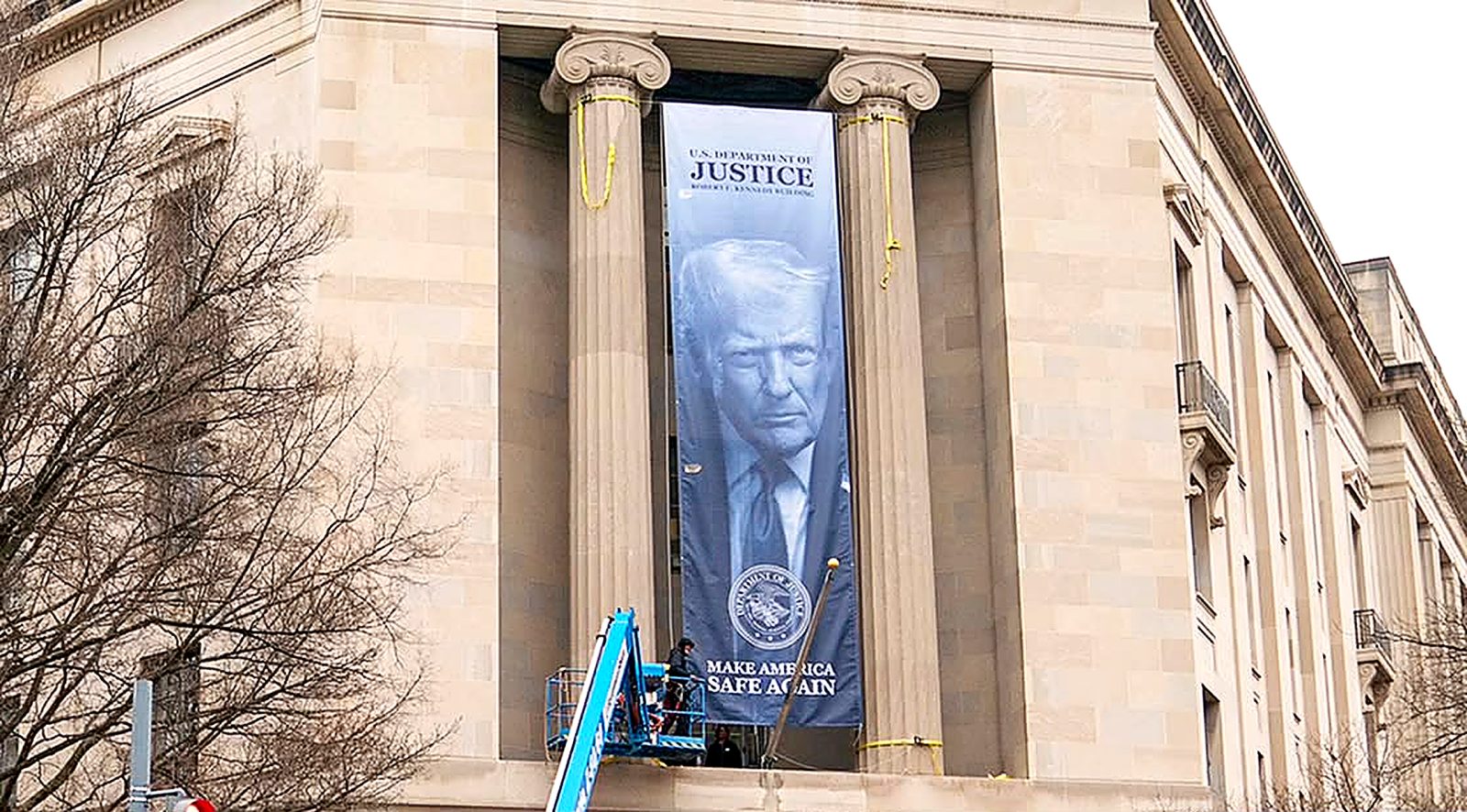
Democrats are preparing an extensive series of congressional investigations into President Donald Trump’s administration after securing major victories in the 2026 midterm elections, setting the stage for a potentially confrontational relationship between Congress and the White House.
The investigations are expected to examine the Justice Department’s handling of politically sensitive cases, alleged conflicts of interest involving Trump’s business activities, immigration enforcement operations, the administration’s handling of Jeffrey Epstein-related records and other decisions involving federal agencies.
According to an Associated Press report published November 13, Democratic gains have significantly changed the political balance in Washington, creating new opportunities for congressional oversight of an administration that previously faced limited scrutiny from the Republican-controlled Congress.
The Democratic victories have given the party control of both chambers of Congress, according to the election coverage cited in the reports. The incoming Congress is expected to begin its new session in January 2027.
Democratic lawmakers intend to use their committee leadership positions, investigative resources and subpoena authority to demand documents, question administration officials and examine government decisions.
One of their biggest priorities is the Justice Department, which has faced growing criticism over its relationship with the White House and its handling of investigations involving individuals considered political opponents of Trump.
Democrats argue that the department’s independence must be protected and that federal law enforcement decisions should not be influenced by political considerations.
Among the cases attracting congressional attention are unsuccessful efforts to obtain an indictment against former White House aide Cassidy Hutchinson, an investigation involving Democratic Representative Ilhan Omar, a renewed criminal case against former FBI Director James Comey and charges against two former FBI officials that were dismissed by a judge.
Democrats want to determine how these cases were initiated, what evidence supported them and whether political pressure influenced prosecutorial decisions.
However, allegations of political interference have not been established as proven criminal wrongdoing. The proposed congressional inquiries are intended to examine the circumstances and obtain additional information.
Representative Robert Garcia, the leading Democrat on the House Oversight Committee, is expected to play a central role in organizing investigations. Representative Jamie Raskin, the leading Democrat on the House Judiciary Committee, is also expected to help oversee inquiries involving the Justice Department and constitutional accountability.
Another major area of concern involves Trump’s business interests and the financial activities of people connected to his administration.
Democrats want to examine whether the president, his family members or individuals close to the administration have received financial benefits connected to government decisions, public contracts or political relationships.
The proposed inquiries could examine Trump’s real estate developments, cryptocurrency-related business interests and financial relationships involving special envoy Steve Witkoff.
Senator Richard Blumenthal, who is expected to lead a powerful Senate investigative subcommittee, has expressed interest in examining Trump’s business activities and the financing of a planned White House ballroom.
Democrats are also seeking additional information about the administration’s handling of records connected to Jeffrey Epstein, the late financier and convicted sex offender.
They want to examine whether relevant documents were withheld, whether information was disclosed appropriately and whether the government fulfilled its obligations concerning transparency.
The Epstein-related inquiries have attracted attention from lawmakers across party lines, making the issue particularly sensitive for the administration.
Immigration enforcement is another important investigative priority. Democratic lawmakers intend to examine operations conducted by Immigration and Customs Enforcement, including arrests, detention practices, enforcement procedures and allegations of misconduct.
They have also raised concerns about federal spending decisions and the administration’s handling of government programs.
Senator Ron Wyden, who is expected to lead the Senate Finance Committee, has identified financial institutions and pharmaceutical companies as additional potential subjects of congressional scrutiny. His proposed investigations include examining financial transactions connected to Epstein and the relationship between pharmaceutical companies and federal policy decisions.
The White House has already responded forcefully to the Democratic investigation plans.
On November 11, the Associated Press reported that White House counsel Will Scharf sent a warning letter to Garcia, suggesting that certain investigative threats or procedures could cross legal boundaries and potentially amount to criminal conduct.
Garcia rejected the warning, arguing that Congress has a constitutional responsibility to oversee the executive branch and investigate possible government misconduct.
The confrontation has also involved Attorney General Todd Blanche, who has said the Justice Department will cooperate with congressional inquiries while continuing to implement Trump’s agenda.
Blanche has maintained that the department will not abandon the president’s priorities because of anticipated investigations.
The dispute is likely to become more complicated when the new Congress begins operating in January. Although congressional committees have substantial oversight powers, enforcing subpoenas can be difficult when executive officials refuse to cooperate.
Legal challenges can delay investigations for months or even years. Criminal contempt referrals involving administration officials could also face complications because they would be referred to the Justice Department, which is part of the administration being investigated.
The Justice Department is also experiencing personnel changes. Several senior officials in major divisions, including national security, civil and civil rights, have announced departures following the midterm elections. The loss of experienced personnel could create additional challenges for the department’s leadership.
Despite the political confrontation, Democrats face pressure to demonstrate that their investigations will produce meaningful results rather than simply becoming another partisan conflict.
Economic concerns remain important to American voters. Government corruption and the state of democracy were major concerns for many voters, while the economy and affordability also remained central issues.
Democratic leaders therefore face the challenge of pursuing investigations while continuing to address household expenses, healthcare costs and economic concerns.
The coming congressional session could become one of the most politically contentious periods of Trump’s second presidency. Investigations into the Justice Department, federal immigration enforcement, financial relationships and government transparency could generate extensive hearings and legal disputes.
For now, most of the proposed inquiries remain in the planning stage. Their eventual scope, findings and legal consequences will depend on the evidence obtained, cooperation from government officials and decisions made through congressional and judicial processes.
The central question facing Washington is whether the incoming Democratic-controlled Congress can effectively hold the Trump administration accountable while avoiding an investigation-driven political battle that overshadows other national priorities.
Related News
Democrats’ Historic Victory Puts Trump’s White House Under Pressure

Iran Warns Strait of Hormuz Will Never Return to Pre-War Status Amid US Peace Talks

Trump’s Judicial Agenda Faces Republican Revolt as Senators Challenge His Controversial Nominees
Comments 0
Log in or create a free account to join the conversation. You can comment anonymously.
No comments yet. Be the first.