

EU Agrees on €199.7 Billion Budget for 2027 After Overnight Talks
The European Union has agreed on a €199.7 billion budget for 2027 following overnight negotiations with the European Parliament. The funding will support key EU policies, strengthen security and defence, and help the bloc respond to ongoing crises, including the war in Ukraine and tensions in the Middle East.

CSB News USA
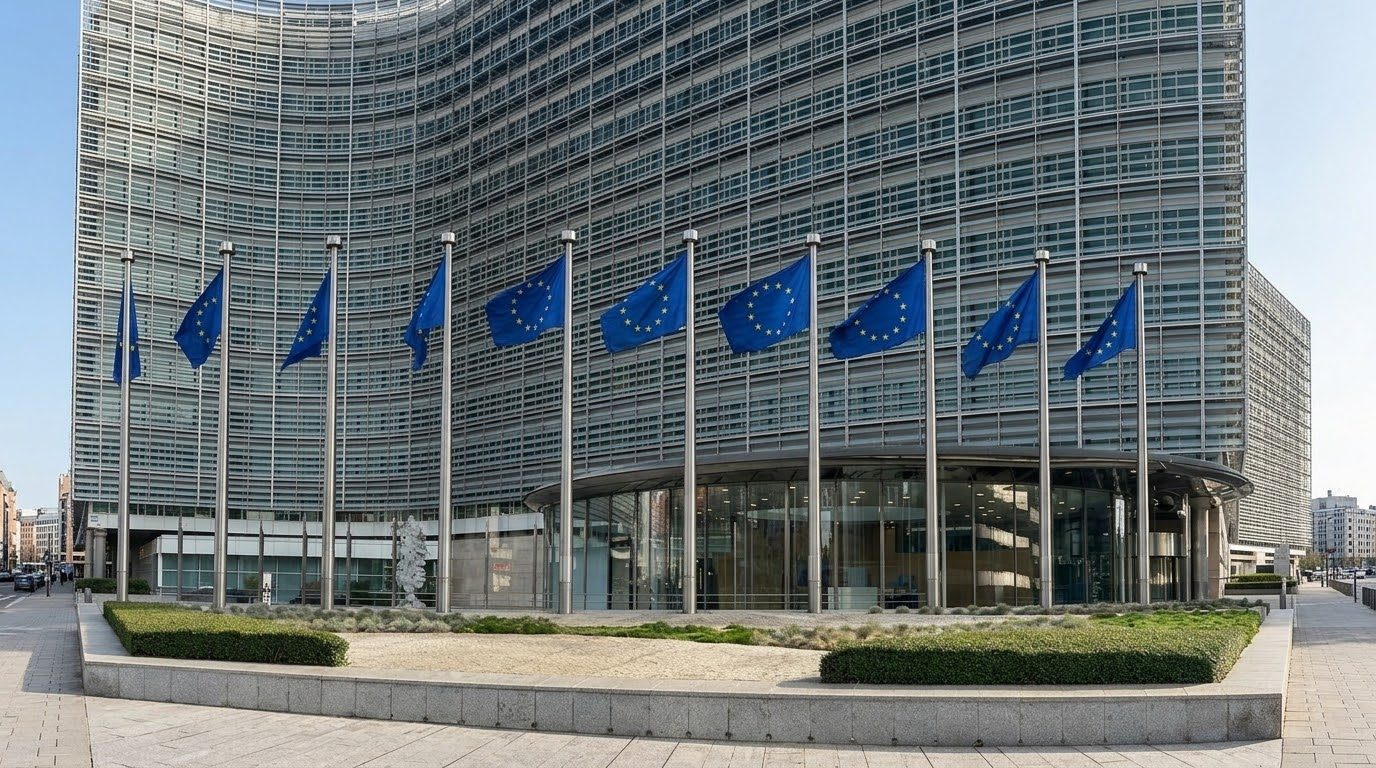
The agreement was announced early Wednesday after negotiations involving the EU's 27 member states and the European Parliament.
In a joint statement, member states said the budget would enable the bloc to implement its agreed policies and programmes while maintaining the ability to respond to ongoing crises and emerging challenges, including the situations in Ukraine and the Middle East.
The agreement also aims to ensure that the EU can respond to unforeseen developments.
The proposed 2027 budget is slightly higher than the approximately €190 billion allocated for 2026, reflecting the bloc's continued spending priorities.
However, the agreement still requires formal approval from member states and the European Parliament. These final steps are widely considered formalities.
The EU's overall expenditure is initially determined through a seven-year financial framework, from which individual annual budgets are developed. As 2027 marks the final year of the current budget cycle, negotiations are already underway over the bloc's next long-term spending plan.
Member States Reduce Commission's Proposal
The agreement is based on a proposal submitted by the European Commission, which initially recommended a budget of €199.9 billion for 2027.
The Commission identified several key priorities, including economic competitiveness, security, defence and continued support for Ukraine.
Following negotiations, member states agreed to reduce the proposed amount slightly to €199.7 billion.
Long-Term EU Budget Negotiations
Under the current Multiannual Financial Framework (MFF), approximately €1.1 trillion was allocated for the 2021–2027 spending period.
The EU budget is primarily financed through contributions from member states, although its overall size remains significantly smaller than the combined national spending of individual governments.
Germany, the bloc's largest net contributor, provides nearly a quarter of EU funding. However, the country also benefits substantially from access to the European single market.
Meanwhile, negotiations are continuing in Brussels over the EU's next seven-year budget framework, covering the 2028–2034 period.
Member states hope to reach an agreement by the end of 2026. However, achieving that target is considered ambitious because significant differences remain between countries over the size and priorities of future spending.
A proposal worth €1.826 trillion for the next seven-year period is currently under consideration.
German Chancellor Friedrich Merz is among the European leaders opposing the proposed amount, describing it as unacceptable and calling for spending cuts worth several hundred billion euros.
The upcoming negotiations are expected to play a significant role in determining the EU's financial priorities, including defence, economic competitiveness, security and support for countries facing geopolitical challenges.
Reporter
CSB News USA
Related News
Nordic Countries to Draft Common Defence Agreement to Strengthen NATO Cooperation

University of Helsinki Presents 2026 Open Science Award to Professor Sampsa Hautaniemi
2026 Nobel Economics Prize Awarded to Robert Hall and Michael Woodford
Comments 0
Log in or create a free account to join the conversation. You can comment anonymously.
No comments yet. Be the first.