

Finland Named World’s Happiest Country in 2026, Iceland and Denmark Follow
Finland has been ranked the world’s happiest country in the 2026 Happy Passports Index, scoring 93.2 out of 100 points. Iceland and Denmark secured second and third places, respectively, highlighting the continued dominance of Nordic countries in global wellbeing and quality-of-life rankings.

CSB News USA
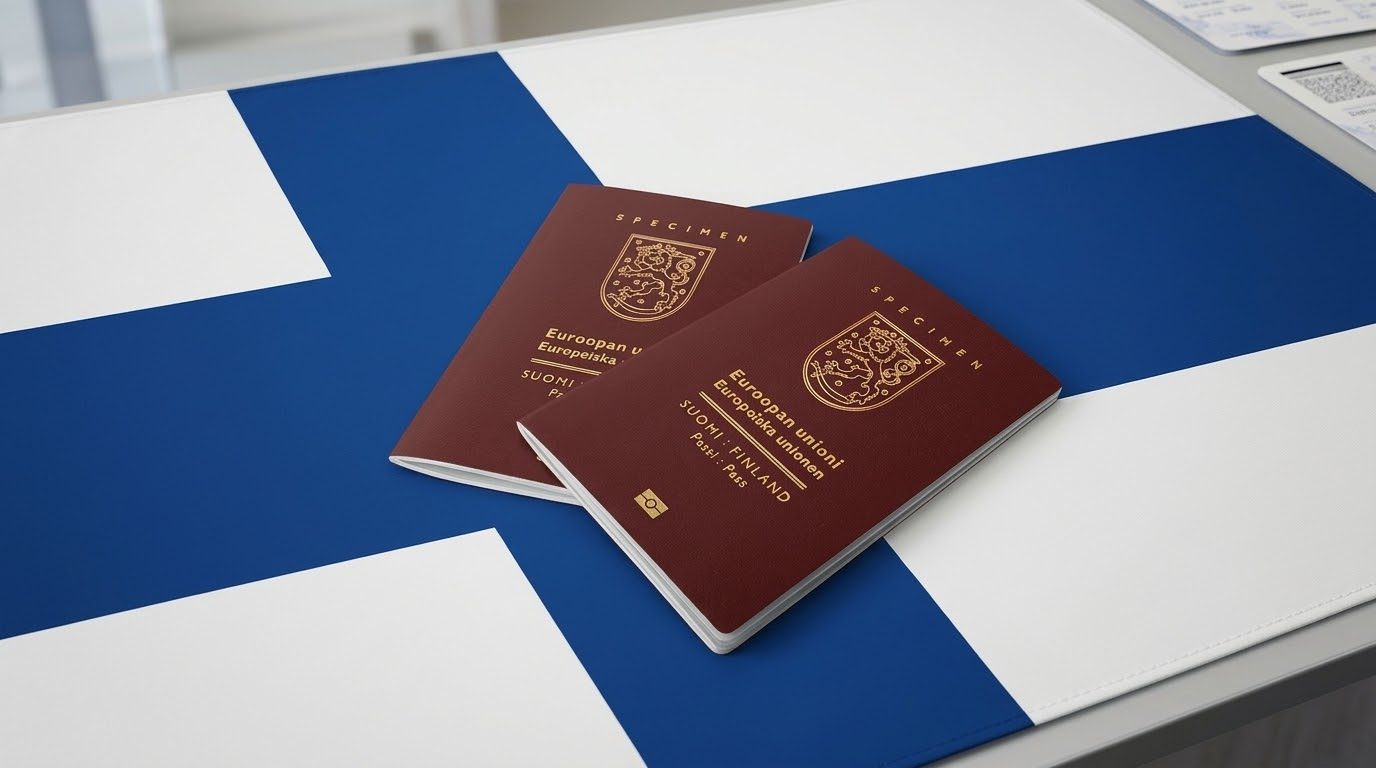
The ranking evaluates 50 countries based on quality of life, personal freedom, passport strength, economic prosperity, health and safety.
Published by Global Citizen Solutions, an immigration and citizenship consultancy, the Happy Passports Index 2026 goes beyond measuring the number of destinations passport holders can visit without a visa. It also examines residents’ life satisfaction, personal freedoms, economic conditions, life expectancy and overall security.
The index is based on four major categories: wellbeing, freedom at home, mobility, and prosperity, health and safety. Together, these factors provide a broader assessment of a country's attractiveness as a place to live.
Finland secured the top position with 93.2 points, narrowly ahead of Iceland, which scored 92.4. Denmark ranked third with 92.1 points, followed by Norway in fourth place with 89.3 points.
Switzerland secured fifth place with 88.3 points, while Sweden ranked sixth with 88.2 points. The strong performance of Nordic countries was particularly notable, with five of them appearing among the top six.
The Netherlands, New Zealand and Austria completed the top ten, while Singapore ranked tenth with 82.8 points.
Finland's leading position reflects its strong performance across several categories measured by the index. The country received 25 points for wellbeing, 24.1 for freedom at home, 24.5 for mobility, and 19.5 for prosperity, health and safety.
Singapore, meanwhile, presented a different picture. It achieved the maximum mobility score of 25 points and had the strongest passport among the 50 countries assessed. It also performed well in income and healthy life expectancy.
However, its overall ranking was affected by lower scores in wellbeing, where it placed 23rd, and freedom at home, where it ranked 30th.
The findings suggest that having a powerful passport and a high standard of living does not necessarily translate into greater life satisfaction.
The United Kingdom provides another example. Despite offering extensive international travel opportunities to passport holders, it ranked 29th among the 50 countries in both perceived personal freedom and civil liberties. Its overall position was 17th.
According to Dr Laura Madrid, lead researcher at Global Citizen Solutions, the relationship between happiness and passport strength is more complicated than it might appear.
“The happiest countries tend to hold strong passports, but not always,” Madrid said.
She explained that among wealthier countries, the research identified a stronger relationship between happiness and personal freedom than between happiness and passport strength.
While a strong passport provides opportunities to travel and move across international borders, the freedoms people experience in their everyday lives have a more direct influence on their wellbeing.
The distinction is also evident in several countries that perform well in international mobility and health indicators but receive comparatively lower life satisfaction scores.
Malta, Portugal, Japan, Cyprus, Malaysia, Spain and Greece all recorded relatively strong results in passport access and healthy life expectancy. However, their residents reported lower levels of life satisfaction than their overall rankings might suggest.
Portugal is one of the clearest examples. It ranked 21st in the overall Happy Passports Index but fell to 39th place when measured specifically on how people evaluate their lives.
The findings also challenge the assumption that the wealthiest countries or those with the strongest passports will always rank highest.
New Zealand secured eighth place overall despite ranking 25th in income. Australia and Malta also performed reasonably well across several indicators without reaching the top ten in either wealth or passport strength.
Their results highlight the importance of maintaining a balance across different aspects of life rather than achieving exceptional performance in just one area.
The index also identifies countries where residents report relatively high life satisfaction despite having less powerful passports.
Costa Rica, Uruguay, Mexico, Panama, Brazil, Israel and Saudi Arabia are among the countries performing well in wellbeing, suggesting that international travel opportunities are only one part of a country's overall appeal.
For international travellers, passport strength remains an important consideration when choosing where to live or planning overseas journeys. However, the 2026 findings suggest that mobility alone cannot provide a complete picture of a country's quality of life.
Finland's first-place position, alongside the strong performances of Iceland, Denmark, Norway and Sweden, further reinforces the Nordic region's reputation for wellbeing and quality of life.
The index ultimately highlights the distinction between the freedom to travel internationally and the freedom, security and satisfaction people experience in their everyday lives.
The ten highest-ranked countries in the 2026 Happy Passports Index are Finland, Iceland, Denmark, Norway, Switzerland, Sweden, the Netherlands, New Zealand, Austria and Singapore.
Reporter
CSB News USA
Related News

Nordic Countries to Draft Common Defence Agreement to Strengthen NATO Cooperation

University of Helsinki Presents 2026 Open Science Award to Professor Sampsa Hautaniemi
2026 Nobel Economics Prize Awarded to Robert Hall and Michael Woodford

Comments 0
Log in or create a free account to join the conversation. You can comment anonymously.
No comments yet. Be the first.