

Trump’s $10 Billion BBC Lawsuit Advances as Florida Judge Rejects Key Dismissal Bid
A Florida judge has allowed Donald Trump’s $10-billion defamation lawsuit against the BBC to proceed, while dismissing his separate consumer-protection claim. The ruling concerns an edited documentary clip of Trump’s January 6, 2021, speech and does not establish liability.

International Broadcast Journalist · CSB News USA
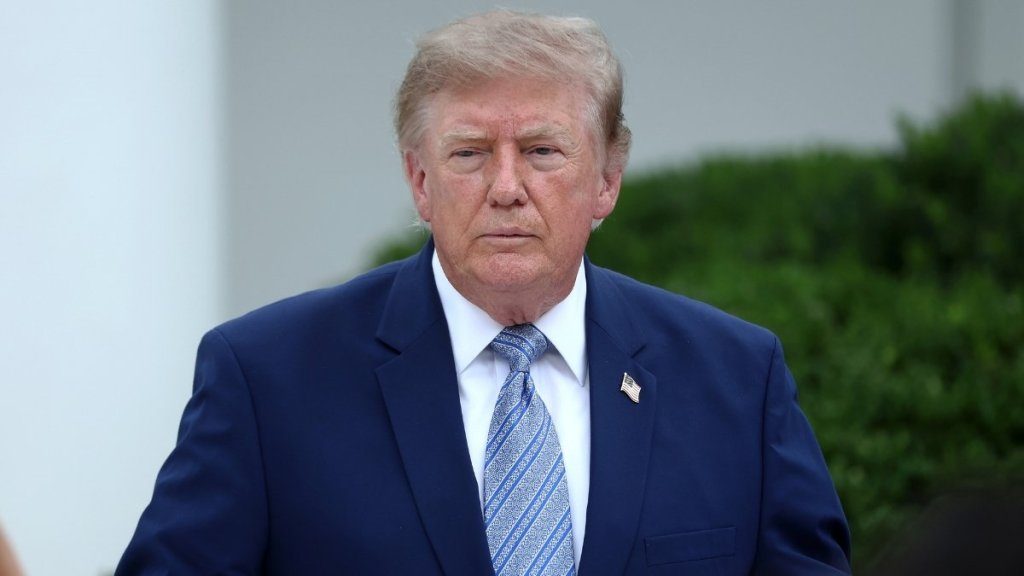
A federal judge in Florida has allowed U.S. President Donald Trump’s $10 billion defamation lawsuit against the British Broadcasting Corporation (BBC) to proceed, rejecting the broadcaster’s attempt to have the central allegation dismissed. However, the judge dismissed a separate claim accusing the BBC of violating Florida’s consumer-protection law, marking a mixed legal outcome for Trump.
The decision was issued on Tuesday, November 10, 2026, by U.S. District Judge Jeffrey Kuntz. The case concerns a BBC documentary that combined separate portions of Trump’s January 6, 2021, speech, allegedly creating a misleading impression that he directly encouraged supporters to engage in violence at the U.S. Capitol.
The ruling represents an important development in the high-profile dispute between Trump and the British public broadcaster. However, it does not mean Trump has won the lawsuit or that the BBC has been found legally responsible for defamation. Instead, the court has determined that the allegations are sufficiently plausible to move forward to the next stage of litigation.
The dispute originated from a BBC Panorama documentary titled Trump: A Second Chance, which was broadcast shortly before the 2024 U.S. presidential election. The programme examined Trump’s political career and his role in the events surrounding the January 6 attack on the Capitol.
At the centre of the controversy is a section of Trump’s speech delivered to supporters in Washington, D.C., shortly before a crowd moved toward the Capitol building. The documentary combined two separate portions of the address, recorded approximately 55 minutes apart.
In one portion, Trump told supporters that they would walk down to the Capitol and that he would accompany them. In another section, delivered later, he used the phrase “fight like hell” while discussing his objections to the 2020 presidential election results.
Trump argues that placing these separate remarks together created the misleading impression that he directly instructed his supporters to use violence against the Capitol. His legal team also alleges that the documentary omitted an important section in which he called for peaceful protest.
The president maintains that the editing substantially changed the meaning of his original remarks and damaged his personal and political reputation.
The BBC has previously acknowledged that the editing was misleading and apologized for the way the documentary presented Trump’s speech. The broadcaster said the programme created the mistaken impression that Trump had made a direct call for violent action.
However, the BBC has consistently rejected the allegation that it committed legal defamation. The broadcaster maintains that an editorial error and an apology do not automatically establish legal liability.
The court’s latest decision focused on whether Trump’s allegations, if accepted as true at this preliminary stage, could satisfy the legal requirements for a defamation claim. Judge Kuntz found that the allegations were sufficient to proceed.
The judge also considered the time difference between the two sections of Trump’s speech. The circumstances surrounding the editing could become important evidence when determining whether the broadcaster acted with the level of recklessness required under U.S. defamation law.
Nevertheless, Trump must still establish the necessary legal elements of his case. As a public figure, he faces a demanding standard under U.S. law. Generally, a public official or public figure must demonstrate that a defamatory statement was published with actual malice, meaning the publisher knew it was false or acted with reckless disregard for whether it was true.
Trump filed the lawsuit in federal court in Florida in December 2025. He initially sought at least $5 billion for defamation and another $5 billion under Florida’s Deceptive and Unfair Trade Practices Act, bringing the total demand to $10 billion.
In the latest ruling, Judge Kuntz dismissed the separate consumer-protection claim. The court determined that the documentary did not qualify as commercial speech under the relevant Florida law. Consequently, that part of Trump’s lawsuit will not continue.
The dismissal means the remaining case is centred on the defamation allegation rather than both original claims. Trump will also need to demonstrate that he suffered legally recognised damages as a result of the documentary.
Another important development concerns Trump’s own testimony. In October 2026, a federal magistrate judge ordered him to appear for questioning under oath by December 11. The order followed a dispute after a previously scheduled deposition was cancelled.
Failure to comply with the deposition order could expose Trump to court sanctions, potentially including dismissal of his lawsuit. The December deadline therefore represents another significant stage in the legal proceedings.
Trump welcomed the latest ruling and described it as a major victory in a post on his social media platform, Truth Social. He said he would continue fighting against media organisations that he believes mislead the American public.
The BBC, meanwhile, expressed surprise at the decision but said it respected the court’s authority. The broadcaster also stated that it remained confident in its legal position and would continue responding through the proper judicial process.
The controversy has also had significant consequences inside the BBC. The editing dispute intensified criticism of the broadcaster’s editorial standards after an internal memo questioning aspects of its coverage became public.
The controversy contributed to the resignations of then-director general Tim Davie and head of news Deborah Turness. BBC chairman Samir Shah also apologised over the editorial error, acknowledging that the documentary had created a misleading impression of Trump’s remarks.
The case has attracted international attention because it raises broader questions about journalistic responsibility, political reporting and the limits of editorial freedom. Media organisations regularly shorten speeches and edit recordings for television programmes, but they are expected to preserve the essential meaning of the material they publish.
The case is also significant because it concerns the relationship between a powerful political figure and an internationally recognised public broadcaster. Its outcome could influence future discussions about how news organisations handle politically sensitive footage and how public figures challenge reporting they consider damaging.
A trial has been provisionally scheduled for February 2027, according to earlier reporting on the court proceedings. Further evidence, witness testimony and legal arguments will be important before the court reaches a final decision.
For now, the legal position remains clear: Trump’s defamation claim has survived the BBC’s attempt to dismiss it, but the broadcaster has not been found liable, and no compensation has been awarded.
The next major developments are expected to involve the BBC’s formal legal response, Trump’s court-ordered deposition and the preparation of evidence for the trial. The outcome will ultimately depend on whether Trump can prove that the BBC committed defamation under the applicable U.S. legal standards and that he suffered legally recognised damages.
Related News
Trump Signs Funding Bill, Ending Historic 43-Day US Government Shutdown
US Moves Military Aircraft from UK Airbase Following Reported Iran-Linked Threat
Trump Faces Pressure From Inflation and Public Discontent as Approval Rating Stalls at 32%
Comments 0
Log in or create a free account to join the conversation. You can comment anonymously.
No comments yet. Be the first.