

Trump Faces Pressure From Inflation and Public Discontent as Approval Rating Stalls at 32%
A new Reuters/Ipsos poll shows Donald Trump’s approval rating holding at just 32 percent, near his lowest level ever. Rising living costs, economic dissatisfaction and recent Republican election losses are increasing pressure on his administration and political future.

INTERNATIONAL BROADCAST JOURNALIST · CSB News USA
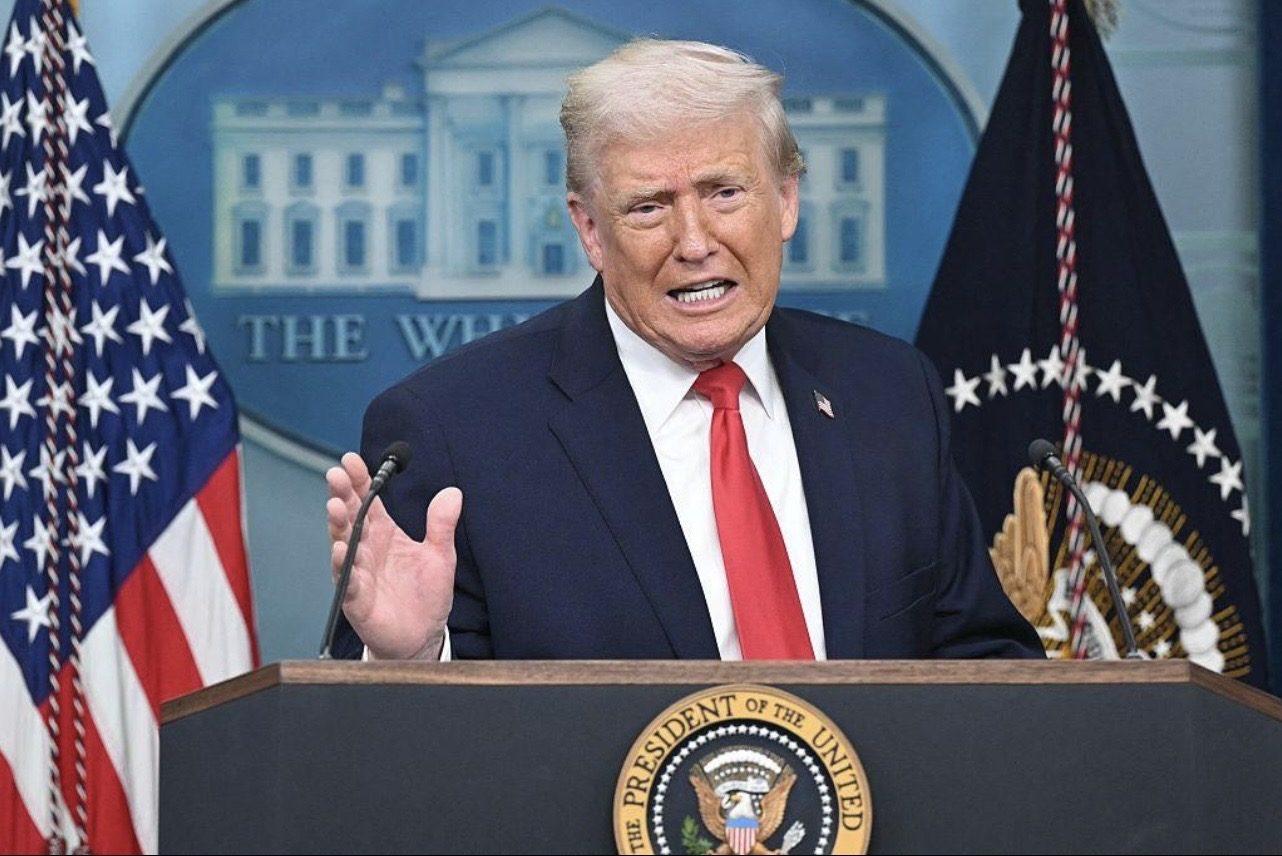
U.S. President Donald Trump is facing growing political challenges as his public approval rating remains close to the lowest level of his political career. A new Reuters/Ipsos poll released on November 9, 2026, found that only 32% of Americans approve of his performance in the White House, highlighting widespread dissatisfaction with his administration, particularly over the economy and the rising cost of living.
The latest findings indicate that Trump’s approval rating has remained unchanged across three consecutive Reuters/Ipsos surveys conducted between late October and early November. The figure is just one percentage point above his previous career low of 31%, recorded in a mid-October poll. The results suggest that the president has struggled to regain public confidence despite continuing to promote his administration’s policies and political priorities.
Economic concerns appear to be among the strongest factors behind the president’s weak approval numbers. According to the survey, only 21% of respondents approved of Trump’s handling of the cost of living. His performance on the broader economy received slightly better, but still limited, support, with just 25% approving of his economic management.
The figures highlight the growing importance of household financial pressures in American politics. Rising expenses for fuel, housing, transportation, groceries and other essential goods have become major concerns for families across the country. Many Americans are increasingly focused on whether their incomes can keep pace with everyday expenses and whether government policies are making their financial situations better or worse.
For the Trump administration, the challenge is particularly significant because economic improvement was one of the central promises of his political campaign. Voters expected his return to the White House to bring stronger economic conditions, greater financial stability and relief from the pressures associated with higher prices. However, the latest survey suggests that many citizens remain dissatisfied with the administration’s progress.
The ongoing conflict involving Iran has also contributed to economic uncertainty, particularly through its impact on international energy markets. The war, launched in February, has pushed fuel prices higher and placed additional pressure on household budgets, according to Reuters. Higher energy costs can affect transportation, manufacturing, food distribution and other sectors, creating additional financial challenges for consumers.
Fuel prices are especially important because increases can influence the cost of transporting goods and operating businesses. When companies face higher energy expenses, some of those costs can eventually be passed on to consumers. This can make everyday products and services more expensive, adding to the financial pressure already experienced by American households.
Despite the weak economic ratings, Trump continues to receive comparatively stronger support for his immigration policies. The Reuters/Ipsos survey found that 38% of Americans approved of his approach to immigration, making it one of the stronger areas of his presidential performance in the latest poll.
Support among Republican voters remains particularly strong on immigration. Approximately 81% of Republicans surveyed approved of Trump’s immigration approach. However, support was considerably lower when respondents were asked about his management of living costs. Only 50% of Republicans approved of his performance on that issue.
This difference is politically important because it suggests that economic dissatisfaction is not limited to Democratic voters or political opponents. Even within Trump’s own party, some supporters appear less satisfied with the administration’s handling of household expenses.
The poll results also come shortly after a major setback for Republicans in the November 3 midterm elections. Democrats achieved significant victories in congressional races and secured control of both chambers of Congress for the next legislative term. The results represented a serious political challenge for Trump and his Republican allies.
The midterm elections are particularly important because congressional control determines how easily a president can advance legislation, approve spending priorities and implement major policy proposals. With Democrats set to take control of the House of Representatives and the Senate when the new Congress convenes, Trump’s administration could face stronger opposition to several of its legislative priorities.
The rising cost of living was also a major issue during the election campaign. Earlier Reuters/Ipsos polling found that 48% of registered voters identified living costs as the most important issue influencing their congressional vote. Another survey found that 49% of Americans believed their household finances had worsened since Trump returned to office in January 2025.
These findings suggest that economic dissatisfaction extended beyond general criticism of government policy. For many voters, personal financial circumstances became a central consideration when deciding which candidates to support.
The latest Reuters/Ipsos survey was conducted online across the United States from November 6 to November 9. It included 1,705 adults aged 18 and older, using Ipsos’s probability-based KnowledgePanel. According to Ipsos, the survey has a margin of sampling error of approximately 2.4 percentage points at the 95% confidence level for the full sample.
That margin of error is important when interpreting the findings. The 32% approval figure represents an estimate of public opinion rather than an exact measurement of every American’s views. Nevertheless, the consistency of the results across several surveys suggests that Trump’s low approval rating is not simply the result of one isolated poll.
The political implications could extend well beyond the immediate aftermath of the midterm elections. With Democrats preparing to take control of Congress, the administration may face increased scrutiny over economic decisions, energy policy, immigration enforcement and the continuing conflict involving Iran.
For Trump, restoring public confidence will likely require demonstrating measurable progress on the issues that matter most to households. Lower energy costs, improved affordability, stronger purchasing power and greater economic stability could become essential priorities if he hopes to improve his political standing.
However, the latest figures do not mean that his political support has disappeared. His comparatively stronger ratings on immigration and continued backing among Republican voters indicate that he retains an important political base.
The central challenge is whether his administration can address economic dissatisfaction without losing support among its existing supporters. As the country moves into a new congressional term, the relationship between household finances, public approval and political power is likely to remain a defining issue in American politics.
For now, the Reuters/Ipsos findings deliver a clear warning: Trump’s approval remains close to its lowest recorded level, while economic concerns continue to undermine public confidence in his leadership.
Related News
Trump Expects Meeting With Xi Jinping and Vladimir Putin at Upcoming China Summit
Trump Admits Deportation Policies Went Too Far, Signals Possible Immigration Deal With Democrats
Trump Offers UFC President Dana White a Surprising Role as White House Press Secretary
Comments 0
Log in or create a free account to join the conversation. You can comment anonymously.
No comments yet. Be the first.