

Trump Signs Funding Bill, Ending Historic 43-Day US Government Shutdown
The Senate approved a funding deal 60–40, the House passed it, and Trump signed legislation reopening the federal government.

CSB News USA
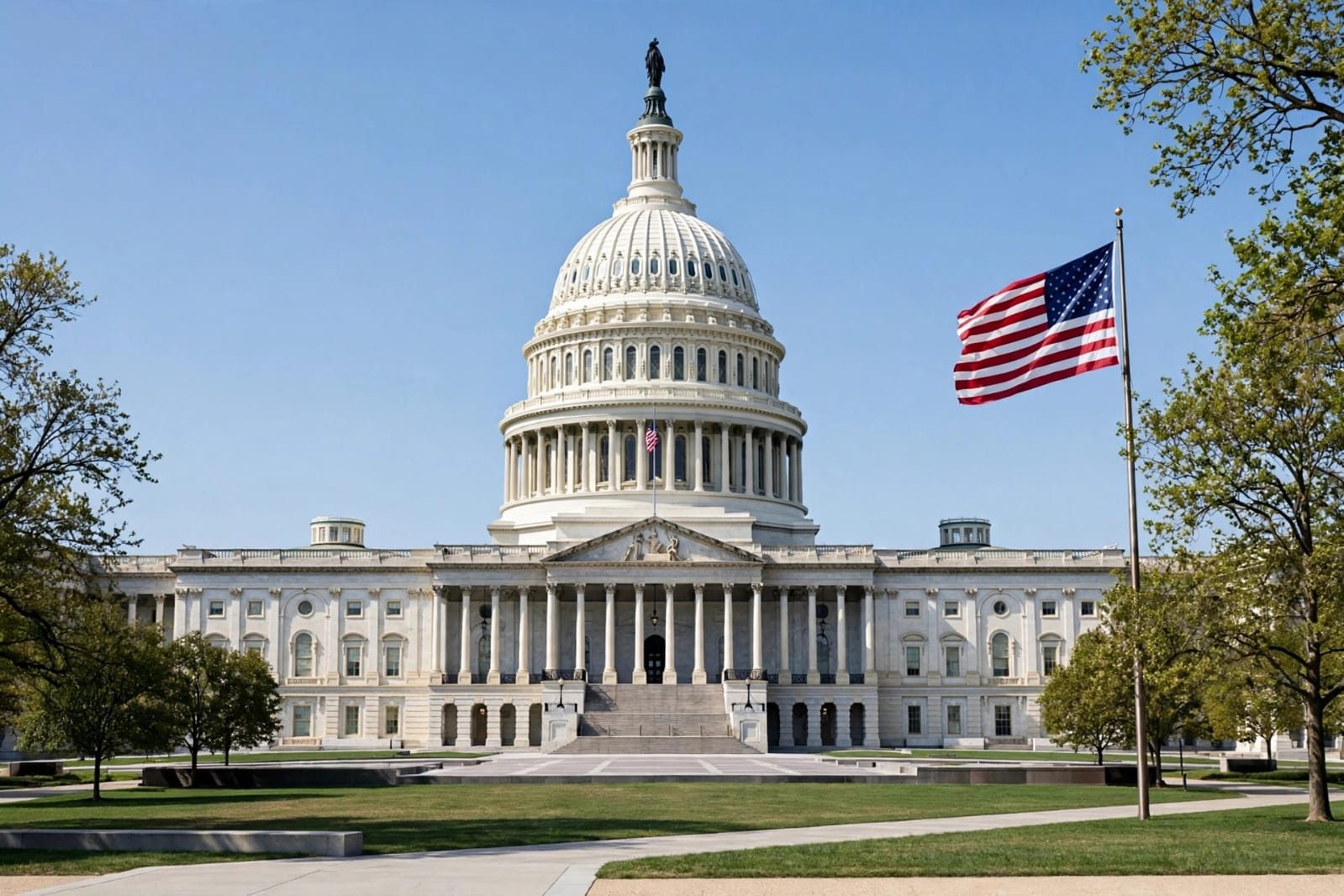
The longest government shutdown in United States history officially came to an end on November 12, 2025, when President Donald Trump signed legislation restoring federal government funding. The shutdown lasted 43 days, disrupting government services, affecting federal employees and creating significant challenges for millions of Americans.
The process to reopen the government began with a crucial Senate vote. On November 10, the Senate approved a funding agreement by a vote of 60–40, sending the legislation to the House of Representatives for final approval.
The House passed the measure on November 12 by a vote of 222–209. President Trump signed the legislation later that day, allowing federal agencies to resume normal operations.
The shutdown began on October 1, 2025, after lawmakers failed to reach an agreement on federal government spending. Republicans and Democrats remained divided over funding priorities and healthcare-related issues, particularly the future of Affordable Care Act subsidies.
As negotiations continued, hundreds of thousands of federal employees experienced furloughs or were required to work without receiving their regular paychecks. The prolonged funding lapse created financial difficulties for workers and their families, while several government services operated with reduced staffing.
Air travel also experienced significant disruptions. Staffing shortages affecting parts of the aviation system contributed to flight delays and cancellations at airports across the country. Travelers faced uncertainty as the shutdown continued and aviation employees dealt with the consequences of delayed pay.
Food assistance programs also became a major concern. Millions of low-income Americans depend on federal programs such as the Supplemental Nutrition Assistance Program, commonly known as SNAP, and the Special Supplemental Nutrition Program for Women, Infants, and Children, known as WIC.
The funding agreement included full-year appropriations for several areas, including agriculture, food assistance, military construction and veterans affairs. It also provided a temporary funding extension for much of the federal government through January 30, 2026.
Another important provision addressed federal employees affected by the shutdown. The legislation included back pay for furloughed workers and provisions related to reversing certain staffing actions taken during the funding lapse.
However, the agreement did not resolve every major political disagreement. The extension of enhanced Affordable Care Act subsidies remained a separate issue, with lawmakers expected to continue debating healthcare costs and insurance affordability.
The Senate agreement emerged after a group of Democratic senators joined Republicans in supporting the funding measure. Their decision helped break the legislative deadlock, although it also generated criticism from some Democrats who wanted stronger guarantees on healthcare subsidies.
Following Trump's signature, federal agencies began the process of restoring regular operations. Government employees could return to their duties, agencies could resume suspended services and efforts could begin to address the backlog created during the shutdown.
The reopening was a significant development for federal workers, government contractors, travelers and families relying on public assistance. Nevertheless, the temporary nature of the funding arrangement meant that lawmakers would still face another major budget deadline.
The 43-day shutdown highlighted the economic and social consequences of disagreements over federal spending. It also demonstrated how political disputes in Washington can affect government employees, public services and ordinary Americans.
With the funding legislation signed, the immediate shutdown crisis was over. But debates over healthcare, government spending and long-term budget priorities remained unresolved.
Reporter
CSB News USA
Related News

US Moves Military Aircraft from UK Airbase Following Reported Iran-Linked Threat
Trump Faces Pressure From Inflation and Public Discontent as Approval Rating Stalls at 32%
Trump Expects Meeting With Xi Jinping and Vladimir Putin at Upcoming China Summit
Comments 0
Log in or create a free account to join the conversation. You can comment anonymously.
No comments yet. Be the first.