

Supreme Court Allows Border Wall Construction in Texas’ Big Bend Region
The U.S. Supreme Court has cleared the way for the Trump administration to resume border barrier construction in Texas’ Big Bend region. The decision temporarily lifts a lower court order that had halted the project over concerns about environmental damage.

Reporter · CSB News USA
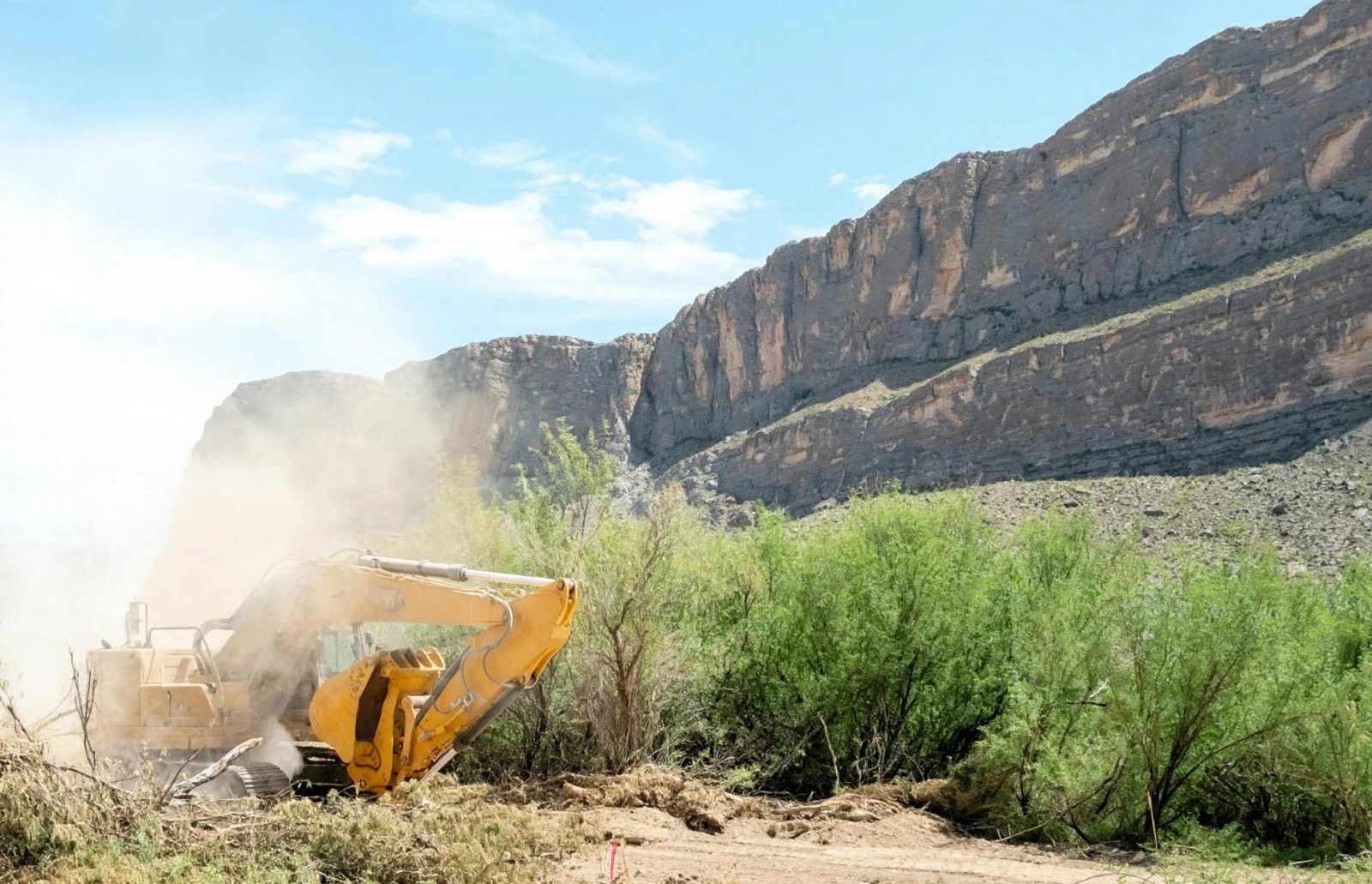
The U.S. Supreme Court has allowed the Trump administration to resume construction of border barriers and related infrastructure in the Big Bend region of Texas, including areas near Big Bend National Park. The decision, issued on Monday, November 9, puts a lower federal court’s order on hold. That earlier order had stopped construction while a legal challenge against the project continued. The Supreme Court’s 8–1 decision gives the administration permission to move forward with the project while the legal case remains unresolved. Justice Ketanji Brown Jackson was the only justice who disagreed with the decision.
The Trump administration has argued that additional border barriers, roads and surveillance systems are necessary to strengthen security along the U.S.-Mexico border. Officials say illegal crossings and drug smuggling remain concerns in the region and that gaps in border protection could be used by criminal groups.
The project has faced strong opposition from local residents, environmental organizations, landowners and some politicians from both major political parties. They argue that the region has historically had a low number of migrant apprehensions and that the construction could damage its natural landscape, wildlife and local economy.
In October, U.S. District Judge Kathleen Cardone ordered construction-related work in the Big Bend region to stop. She raised concerns that the administration had used its authority to bypass environmental protection laws without clear approval from Congress.
The Trump administration challenged that order and asked the Supreme Court to allow construction to continue. The justices granted that request, saying federal law limits the ability of courts to interfere when the government considers border construction necessary. The Big Bend region includes a large stretch of the U.S.-Mexico border and is known for its desert landscape, mountains, canyons and the Rio Grande River. Big Bend National Park is also located in the area.
According to the administration, plans for the national park include vehicle barriers and patrol roads rather than the 30-foot-high steel pedestrian walls planned for some other border areas. The government has not yet released a final construction plan for the park.
The project has also drawn criticism because of concerns that construction could affect protected land, wildlife habitats and historically important sites. Environmental groups and local residents say the region’s natural beauty and tourism-based economy could be harmed.
Congress allocated $46 billion for border projects, and the administration has been moving ahead with plans to expand border security infrastructure in several areas. The Supreme Court’s latest decision does not settle the entire legal dispute. It only allows construction to move forward while the legal challenges continue.
Related News

Finland Announces New Residence Permit Fees for Family-Based Applications: Online Applicants to Save €50

Indonesia Helicopter Crash During Wildfire Operation Kills One Crew Member, Two Survive

Heavy Rain and Flooding Kill 4 in Iran, Warnings Issued Across 19 Provinces

Comments 0
Log in or create a free account to join the conversation. You can comment anonymously.
No comments yet. Be the first.