

Emine Erdoğan Meets Zubaida Rahman at COP31 to Strengthen Global Climate Cooperation
Turkish First Lady Emine Erdoğan met Bangladesh Prime Minister Tarique Rahman’s wife, Dr Zubaida Rahman, in Antalya during COP31. Their discussion focused on climate justice, sustainable development and global cooperation on Zero Waste initiatives. The meeting highlighted opportunities for stronger collaboration between Bangladesh and Türkiye on environmental challenges.

Reporter · CSB News USA
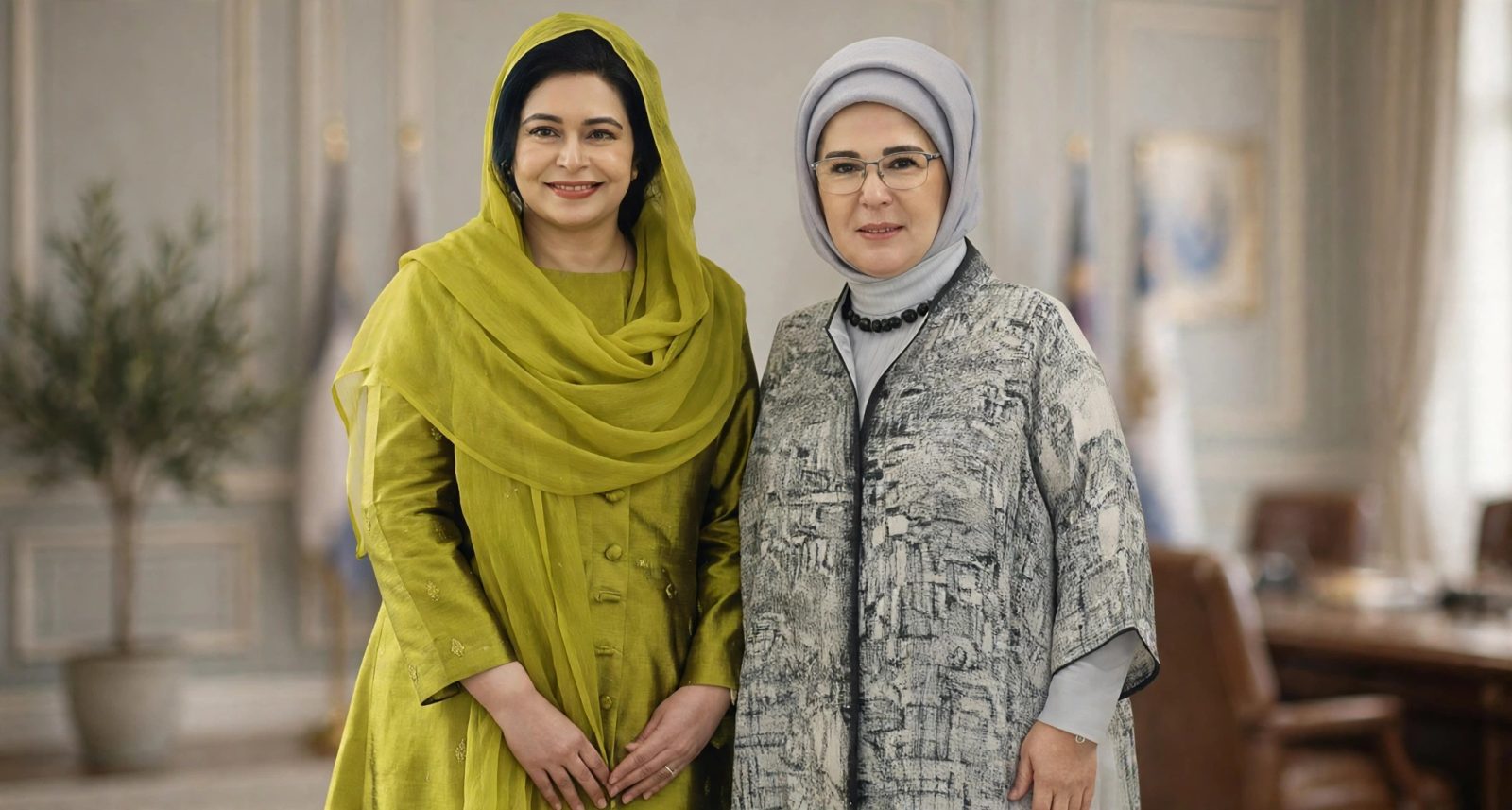
Turkish First Lady Emine Erdoğan has met Dr Zubaida Rahman, wife of Bangladesh Prime Minister Tarique Rahman, on the sidelines of the 31st Conference of the Parties to the United Nations Framework Convention on Climate Change (COP31) in Antalya, Türkiye. The meeting focused on climate justice, sustainable development and international cooperation to achieve Zero Waste goals.
The meeting took place on Tuesday, November 10, as Bangladesh's prime minister and his delegation arrived in Türkiye for the high-level climate gathering. The discussion brought together two prominent women connected to the leadership of their respective countries at a time when climate change has become one of the world's most pressing challenges.
According to information shared by Emine Erdoğan following the meeting, the two discussed the importance of global cooperation in advancing climate justice, sustainable development and Zero Waste initiatives.
The meeting was also attended by Samed Ağırbaş, President of the Zero Waste Foundation and COP31 Climate Champion. His presence highlighted the environmental focus of the discussion and the importance of connecting international climate commitments with practical initiatives.
Emine Erdoğan shared details of the meeting through a social media post on Tuesday. In her message, she welcomed Dr Zubaida Rahman to Antalya and emphasized the need for countries to work together on climate-related challenges.
The Turkish First Lady's message described climate justice, sustainable development and Zero Waste as important areas requiring international cooperation. However, neither side has publicly announced a specific agreement, funding commitment or new bilateral programme resulting from the meeting.
The meeting is significant because Bangladesh is among the countries particularly vulnerable to the effects of climate change. Rising sea levels, coastal erosion, frequent flooding, cyclones, riverbank erosion and changing rainfall patterns continue to threaten communities, livelihoods and economic development across the country.
Bangladesh contributes a relatively small share of global greenhouse gas emissions but faces substantial consequences from climate-related disasters. Millions of people living in coastal and riverine areas are exposed to environmental risks that can affect homes, agriculture, fisheries, drinking water supplies and employment.
For this reason, climate justice has become an important issue in Bangladesh's international climate diplomacy. The country has consistently highlighted the need for financial assistance, technology transfer and international support to help vulnerable communities adapt to changing environmental conditions.
The concept of climate justice is based on the principle that countries and communities that have contributed relatively little to global emissions should not be forced to carry a disproportionate share of the damage caused by climate change.
Developing countries, including Bangladesh, have repeatedly called on wealthier nations to provide adequate climate finance and practical support. Such assistance is considered essential for building stronger infrastructure, improving disaster preparedness, protecting vulnerable populations and developing cleaner energy systems.
Dr Zubaida Rahman's participation in the meeting also provided an opportunity to highlight the human and social dimensions of climate change. Environmental challenges do not affect only national economies or government infrastructure. They also influence families, women, children, older people and communities whose livelihoods depend on agriculture, fishing and natural resources.
Sustainable development was another central issue discussed during the meeting. The concept involves improving living standards and economic opportunities while protecting natural resources for future generations.
For a developing country such as Bangladesh, sustainable development requires balancing industrial growth, employment creation, urban expansion and environmental protection. Investment in renewable energy, climate-resilient infrastructure, waste management and environmentally responsible industries can play an important role in achieving these objectives.
The discussion also highlighted the Zero Waste movement, an environmental approach that seeks to reduce waste generation and promote responsible production and consumption.
Zero Waste initiatives encourage people, businesses and governments to reduce unnecessary consumption, reuse materials, recycle products and improve waste management systems. They also seek to reduce the amount of waste sent to landfills and prevent plastic and other harmful materials from entering rivers, oceans and ecosystems.
Emine Erdoğan has been closely associated with Türkiye's Zero Waste initiative. She has supported efforts to promote recycling, reduce waste and encourage environmentally responsible lifestyles.
The initiative has also gained international attention through cooperation with the United Nations. The broader Zero Waste movement seeks to encourage governments, institutions and communities to adopt practical measures that reduce environmental pollution and improve resource efficiency.
Bangladesh has its own significant challenges in this area. Rapid urbanization, population growth and increasing consumption have placed pressure on waste collection and disposal systems, particularly in major cities.
Plastic pollution is a growing concern in the country's rivers, canals and coastal areas. Poorly managed waste can block drainage systems, contribute to urban flooding and damage aquatic ecosystems.
Related News
Sheikh Hasina Plans to Return to Bangladesh in December Amid Passport Application and Legal Challenges
Duchess Sophie Visits Rohingya Camps in Cox’s Bazar, Hears Stories of Women and Children
Buriganga Boat Rally Raises Questions Over Banned Chhatra League’s December Political Message
Comments 0
Log in or create a free account to join the conversation. You can comment anonymously.
No comments yet. Be the first.