
US Limits Embassy Evacuation to Saudi Arabia as Gulf Security Fears Rise
The United States has ordered non-emergency diplomatic personnel and families to leave Saudi Arabia as renewed Houthi attacks raise security concerns.

Reporter · CSB News USA
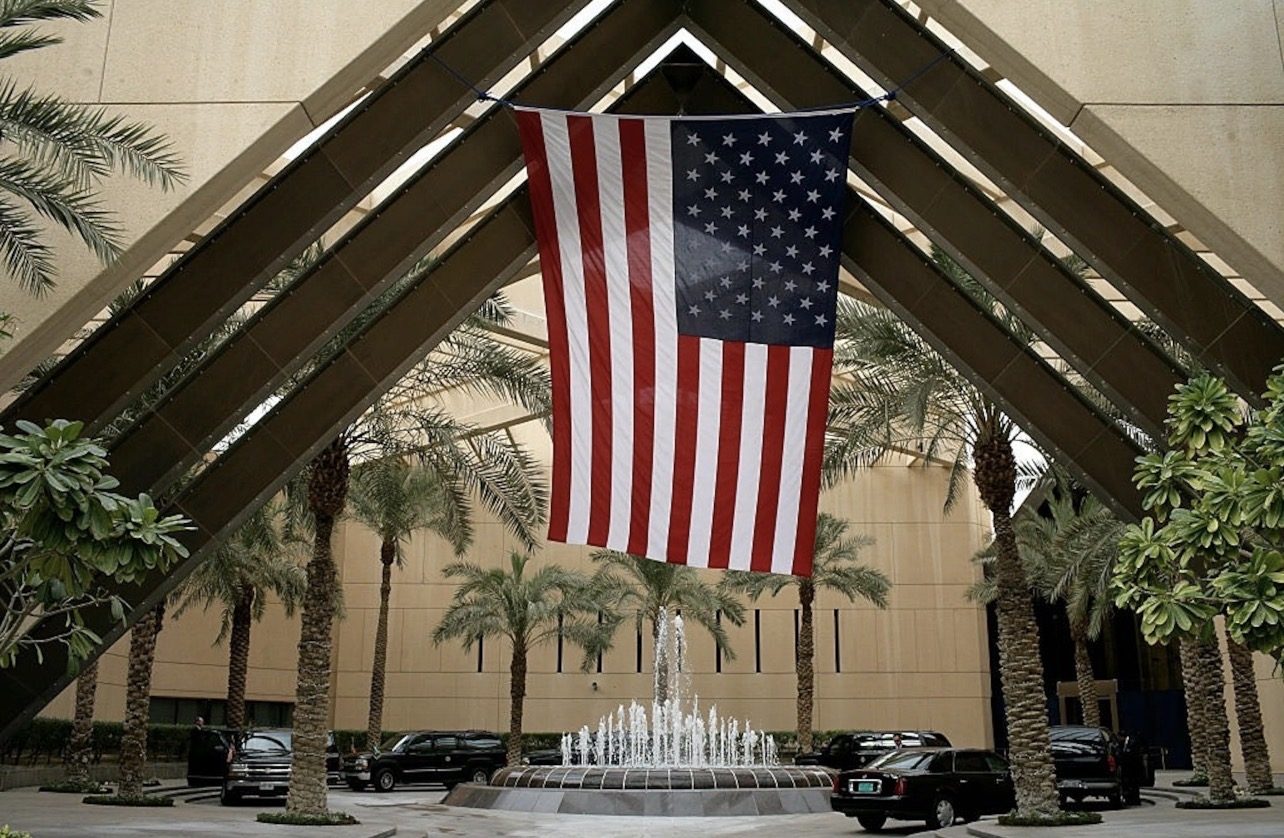
The United States has ordered non-emergency diplomatic personnel and their family members to leave Saudi Arabia as concerns grow over renewed attacks by Yemen’s Iran-aligned Houthi movement, raising fresh questions about security across the Middle East. The move comes amid reports of attacks on civilian infrastructure, heightened travel warnings and fears that regional hostilities could intensify again.
A Reuters report published on October 21 initially said the U.S. State Department was preparing to order some personnel and their families to leave American diplomatic missions across the Gulf. The report cited three U.S. officials who spoke on condition of anonymity. Two officials said the potential measures could include the departure of all personnel and their families from the U.S. diplomatic mission in Saudi Arabia.
However, the situation became clearer after the State Department publicly addressed the reports. Spokesperson Tommy Pigott said the claim that Washington was preparing a Gulf-wide departure order was inaccurate. According to his statement, the department had issued an ordered departure for non-emergency U.S. government employees and their family members in Saudi Arabia only. The distinction is important because the confirmed measure does not establish that equivalent orders have been issued for every U.S. embassy across the Gulf.
The department’s decision reflects concerns about the safety of American personnel as attacks attributed to Yemen’s Houthi movement have increased risks around Saudi infrastructure. The Houthis, who control significant territory in Yemen, are aligned with Iran. Their involvement in regional conflicts has repeatedly raised concerns about the possibility of wider confrontation and threats to transport networks, energy facilities and diplomatic missions.
The U.S. Embassy in Riyadh issued a security alert on October 21 warning about the possibility of further Houthi attacks against Saudi Arabia. The warning followed reports of deadly strikes, including attacks affecting the Riyadh airport area. U.S. officials have expressed concern that renewed hostilities could create additional risks for embassy employees, their families and other American citizens living or travelling in the region.
The departure order applies to non-emergency personnel and eligible family members covered by the directive. It does not, by itself, mean that every American diplomat must leave Saudi Arabia or that the embassy will close. Essential personnel may continue to carry out diplomatic and consular duties, although staffing levels and public services can change when security conditions deteriorate. The exact arrangements depend on the department’s instructions and the operational requirements of the mission.
The distinction between an ordered departure and a voluntary departure is also significant. An ordered departure is a formal security measure requiring designated personnel and eligible family members to leave an affected post. A voluntary departure, by contrast, allows eligible individuals to leave if they consider the risks unacceptable. Neither measure automatically means that all American citizens in the country must evacuate.
The latest decision follows a period of heightened instability across the Middle East. Earlier in 2026, U.S. diplomatic missions in the region experienced staffing changes amid the wider conflict involving Iran and its regional adversaries. Washington subsequently began returning some personnel to selected diplomatic posts as officials reassessed security conditions. The renewed concerns in October demonstrate how quickly diplomatic staffing decisions can change when the threat environment shifts.
Saudi Arabia has faced particular concern because of reported attacks on airports and other critical infrastructure. Airports are especially sensitive targets because damage can interrupt passenger services, affect cargo movements and create wider economic consequences. Even when flights continue operating, security warnings can lead airlines to revise schedules, passengers to change plans and diplomatic missions to restrict staff travel.
For American citizens in Saudi Arabia, the departure of non-emergency embassy employees does not necessarily mean that all routine assistance will stop. Nevertheless, staffing reductions can affect appointment availability, consular services and the ability of diplomatic personnel to respond quickly to emergencies. U.S. citizens should therefore monitor official embassy announcements, follow instructions from local authorities and check directly with airlines before travelling.
The wider Gulf region also has strategic importance for international energy supplies, commercial aviation and global shipping. Saudi Arabia, Qatar, Bahrain and the United Arab Emirates host important transport links, energy infrastructure and international business operations. A significant deterioration in security could affect investor confidence, airline routes, insurance costs and the movement of goods. However, the Saudi-specific departure order should not be treated as proof that all Gulf states face identical security conditions or that their airports and airspace are being closed.
The situation is particularly sensitive because attacks involving the Houthis can carry consequences beyond Yemen and Saudi Arabia. The movement has previously targeted regional shipping and has been involved in confrontations that draw international military attention. Any further escalation could increase the risk of retaliation, create new threats to civilian infrastructure and complicate diplomatic efforts to prevent a broader conflict.
At the same time, it would be premature to conclude that the United States is preparing for an imminent new war solely because it has ordered some diplomatic personnel to depart. Governments regularly adjust embassy staffing in response to intelligence assessments and security risks. Such decisions can be precautionary and do not necessarily indicate that military action has already been decided.
There is also no basis in the State Department’s clarification for saying that all U.S. embassies across the Gulf have been ordered to evacuate their staff and families. The initial Reuters report described preparations under consideration, while the subsequent public statement specified that the ordered departure applied to Saudi Arabia. Any claim about additional countries requires separate confirmation.
For residents and travellers in the region, the practical priority is to follow verified, country-specific guidance rather than rely on social media claims about a blanket evacuation. American citizens should consult the relevant U.S. embassy’s security alerts and the State Department’s travel information. Travellers of other nationalities should follow their own governments’ advisories and confirm flight arrangements with airlines.
The coming days may provide a clearer picture of whether Washington changes staffing levels at other diplomatic missions or issues additional security instructions. For now, the publicly confirmed measure is limited to non-emergency U.S. government personnel and their families in Saudi Arabia. The episode nevertheless underscores the fragile security environment and the potential for renewed regional hostilities to disrupt diplomatic operations, travel and economic activity.
Related News
Trump Takes Greenville Stage as North Carolina Midterm Election Battle Intensifies Nationwide

Two Years Ago, Trump Served French Fries at McDonald’s; His Campaign Stunt Still Draws Attention

Trump Heads to Kansas to Boost Republicans as Crucial Midterm Elections Approach