
Bangladesh Garment Exports to EU Fall 13.65% as China, Vietnam Gain Ground
Bangladesh’s garment exports to the European Union fell sharply in 2026, while China and Vietnam increased shipments during the same period.

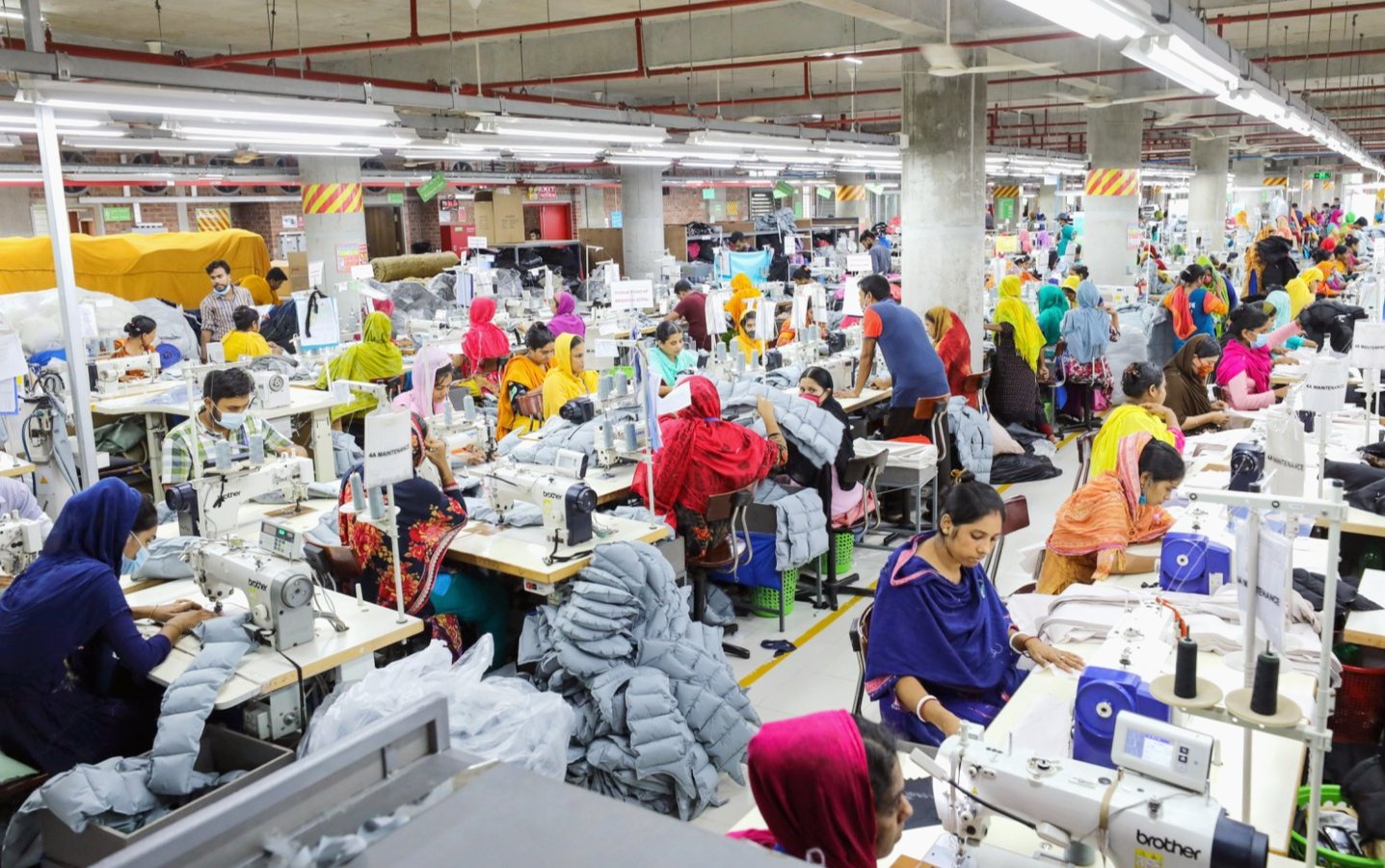
Bangladesh Garment Exports to EU Fall 13.65% as China, Vietnam Gain Ground
Bangladesh’s garment exports to the European Union fell 13.65% during the first seven months of 2026, putting renewed pressure on one of the country’s most important export industries as China and Vietnam increased their shipments to the European market.
According to updated data from Eurostat, the European Union’s statistical office, Bangladesh exported approximately €10.37 billion worth of garments to the 27-member bloc between January and July 2026. That was down from about €12.01 billion during the same period in 2025.
The decline was among the sharpest recorded by major apparel suppliers to the European Union. At the same time, Vietnam’s garment exports to the bloc increased 3.92%, while China’s exports rose 1.89%.The figures were reported on September 17, 2026, and are based on the latest Eurostat trade data.
The development is significant for Bangladesh because the ready-made garment industry is the country’s largest export-earning sector. More than 80% of Bangladesh’s total export earnings come from the garment industry, according to industry data cited in reports on the latest figures. European markets account for a major share of Bangladesh’s apparel export earnings.
The decline also comes as the overall European apparel market has weakened.During the first seven months of 2026, European Union buyers imported approximately €51.61 billion worth of garments from major supplier countries and other international sources. That was 5.10% lower than the same period a year earlier.
Bangladesh’s decline, however, was considerably larger than the overall contraction in the EU apparel market.
This means Bangladesh did not simply experience the impact of weaker European demand. Its exports also lost ground relative to several competing suppliers.China remained the largest apparel supplier to the European Union during the period. Chinese garment exports to the bloc reached approximately €16.42 billion between January and July.
Vietnam exported approximately €2.55 billion worth of garments to the EU during the same period.Bangladesh’s exports stood at approximately €10.37 billion.
The data also show a difference in shipment volumes. China shipped about 816.26 million kilograms of garments to the European Union during the first seven months of 2026, an increase of 4.16% from the previous year.Bangladesh shipped approximately 751.91 million kilograms, representing a 5.66% decline.
The difference is important because it shows that Bangladesh’s decline involved both export value and shipment volume.Bangladesh also recorded a decline in its average export price. The average value of Bangladeshi garments shipped to the EU fell to approximately €13.80 per kilogram, down 8.47% from the previous year.
China’s average export value was considerably higher at about €20.20 per kilogram. Chinese garment export prices also declined, but by approximately 2.18%.The latest numbers have raised concerns within Bangladesh’s apparel industry about competitiveness, pricing and changing purchasing patterns among European buyers.
Industry representatives have pointed to several possible factors behind the decline, including weaker consumer demand in Europe, stronger competition from China and growing competition from countries with favorable trade arrangements.
Mohiuddin Rubel, chief executive officer of Bangladesh Apparel Voice and a former director of the Bangladesh Garment Manufacturers and Exporters Association, said Bangladesh’s decline was particularly concerning because competing countries such as China and Vietnam recorded growth.
Industry representatives have also pointed to domestic challenges, including energy supply issues, that can affect production costs and factory operations. These are industry assessments rather than independent determinations of the relative contribution of each factor.
The competitive pressure is not limited to China and Vietnam.Turkey’s garment exports to the EU declined 13.32% during the January-July period. India’s exports fell 12.24%, while Pakistan recorded an 11.81% decline.