Economists Urge Bank of England to Slow or Halt Bond Sales
Economists have urged UK Chancellor John Healey to press the Bank of England to slow down its government bond-selling programme, which they say has already cost the Treasury billions of pounds while also increasing the government’s borrowing costs

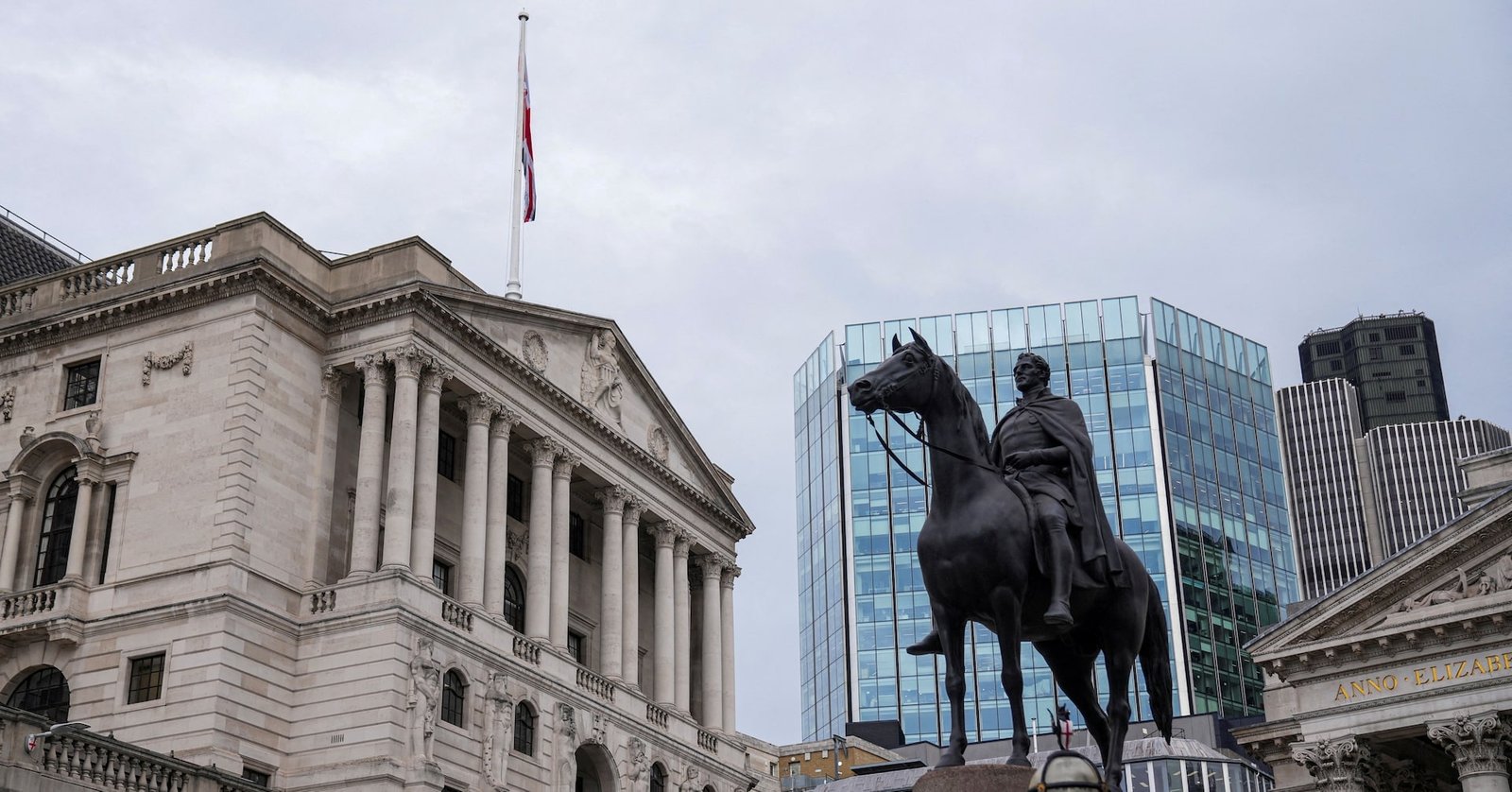
Economists Urge Bank of England to Slow or Halt Bond Sales
Economists have urged UK Chancellor John Healey to press the Bank of England to slow down its government bond-selling programme, which they say has already cost the Treasury billions of pounds while also increasing the government’s borrowing costs.
The Bank’s Monetary Policy Committee (MPC) is meeting this week to decide not only on interest rates but also whether to freeze or slow the sale of government bonds, known as gilts, that were purchased as part of the rescue operation following the 2008 banking crisis.
The process was known as quantitative easing (QE). Over the past four years, the Bank has been reversing that policy through quantitative tightening (QT), selling the bonds back to the market in an effort to reduce inflationary pressures.
However, the value of the bonds has since fallen. Selling them therefore crystallises losses for the Treasury while increasing the supply of government debt in the market. This can weaken demand for gilts and push up the interest rate, or yield, that the government must pay on its debt.
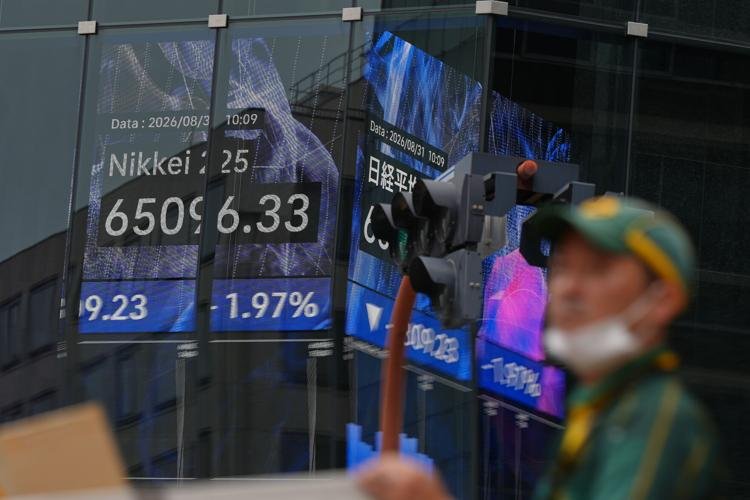
The cost of government borrowing is already at multi-decade highs amid financial market turmoil caused partly by rising oil prices linked to the conflict in the Middle East. On Monday, the yield on the benchmark 10-year gilt rose above 5.4%, its highest level since July 2007. The 30-year gilt yield reached 5.93%, its highest level since March 1998.
In August, the Bank estimated that its QT policy could result in total losses of up to £120 billion for the Treasury if interest rates remain on the path expected by financial markets.
Bank of England Governor Andrew Bailey has defended the policy, saying earlier this year before Parliament’s Treasury Committee that limiting short-term costs to the government was not within the remit of the MPC.
Bank officials have indicated that gilt sales will continue, although at a slower pace than previously planned.
Critics have accused the Bank of ignoring the growing financial burden its policy is placing on Chancellor Healey ahead of his first budget next month.
Former Bank of England deputy governor Charlie Bean said it was unlikely to be politically sustainable for the MPC to make such decisions without Treasury involvement or without finding ways to reduce the financial impact on the government.
John Llewellyn, a partner at consultancy Independent Economics and a former chief economist at the OECD, said the idea of a complete firewall between the Treasury and the central bank was a “fiction”. He argued that Bailey should be prepared to negotiate with the chancellor to minimise the costs to the government.
Since active sales of QE bonds began in late 2022, the Bank of England has overseen one of the fastest reductions in central bank bond holdings among advanced economies. Its bond portfolio has fallen from a peak of about £875 billion to below £490 billion.
Last year, the Bank cut its annual gilt-sales target from £100 billion to £70 billion. It is expected to reduce the target again this week, potentially to £50 billion. The US Federal Reserve, by contrast, stopped actively selling its bond portfolio last year.
Christopher Mahon, a senior fund manager at Columbia Threadneedle Investments and a visiting fellow at the Open University Business School, said the rising costs showed that the Bank should scrap active bond sales altogether.
He said the Bank’s approach had proved roughly twice as expensive as the European Central Bank’s and four times as expensive as the US Federal Reserve’s programme. He attributed much of the difference to the type of bonds purchased by the Bank, whose value has fallen sharply since 2008.
The Office for Budget Responsibility (OBR), the Treasury’s independent fiscal watchdog, estimates that the Bank’s bond sales could add about £47 billion to government debt by 2031, assuming active gilt sales of £32 billion a year.
The Treasury and the Bank of England declined to comment.