OPEC+ Countries Agree to Modestly Increase Oil Production as Prices Continue to Fall
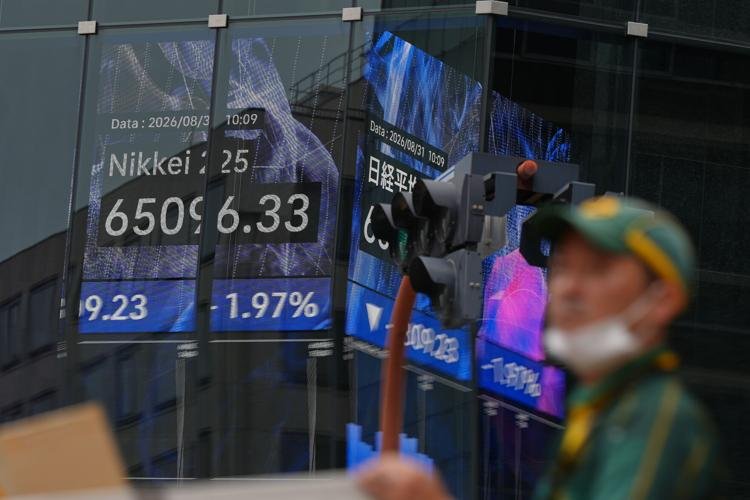
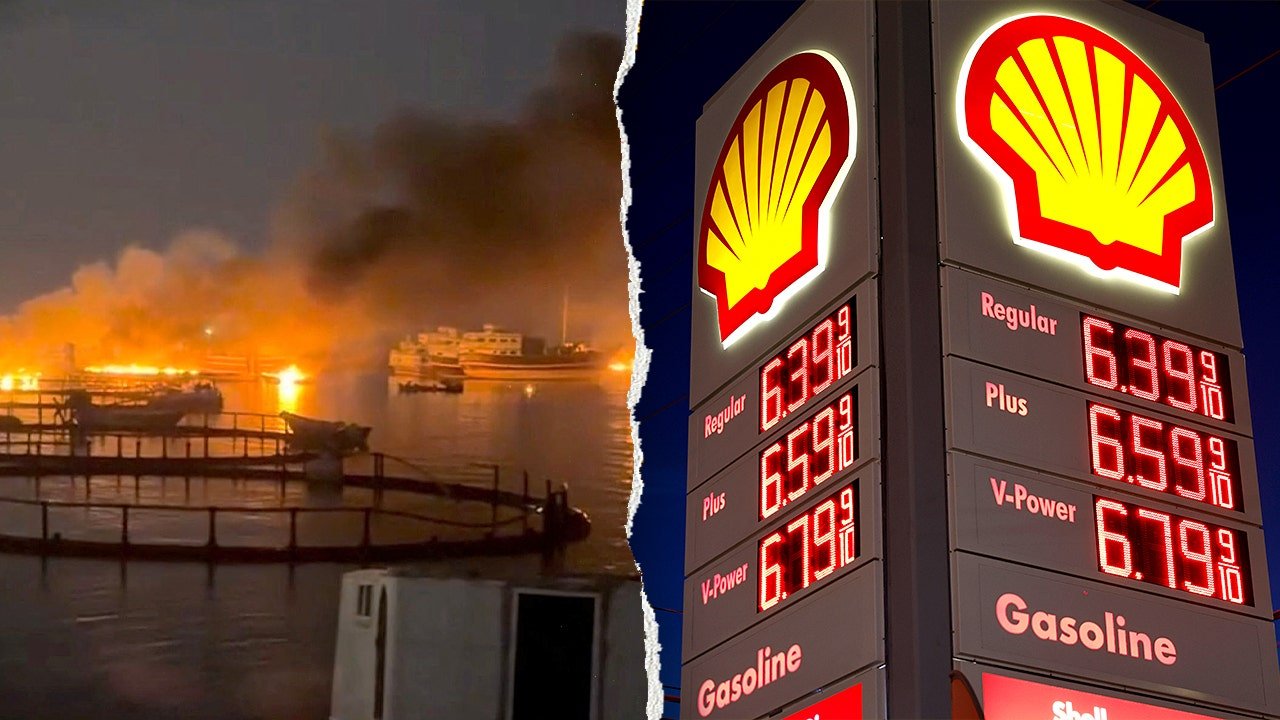
Seven members of the OPEC+ alliance have agreed to increase their combined oil production by 188,000 barrels per day in August, as global fuel prices have fallen to levels close to where they were before the U.S. and Israel's war with Iran

OPEC+ Countries Agree to Modestly Increase Oil Production as Prices Continue to Fall
Seven members of the OPEC+ alliance have agreed to increase their combined oil production by 188,000 barrels per day in August, as global fuel prices have fallen to levels close to where they were before the U.S. and Israel's war with Iran.
Under the decision announced on Sunday, Saudi Arabia, Russia, Iraq, Kuwait, Kazakhstan, Algeria, and Oman will raise their oil output. It marks the fifth consecutive month that OPEC+ has agreed to increase production.
In a joint statement, the group said it would continue to closely monitor market conditions and reaffirmed its commitment to a cautious and balanced approach to maintaining market stability.
Impact of the U.S.-Iran Ceasefire
Global crude oil prices have declined significantly over the past month following an interim ceasefire agreement between the United States and Iran.
Under the broader memorandum of understanding:
Iran agreed to allow ships to pass freely through the Strait of Hormuz.
The United States agreed to lift its blockade of Iranian ports.
Tensions Remain in the Strait of Hormuz
Although commercial shipping through the Strait of Hormuz has increased since the agreement, traffic remains below pre-war levels.
The waterway normally carries about one-fifth of the world's oil supply. However, Iran's joint military command recently warned that oil tankers must use its approved shipping routes or face a "forceful response."
Oil Prices Return to Pre-War Levels
On Sunday night, Brent crude, the international benchmark, traded at below $72 per barrel, close to its level before the U.S. and Israel launched strikes on Iran in late February.
During the conflict, oil prices had surged to nearly $120 per barrel in March.
War's Impact Still Being Felt
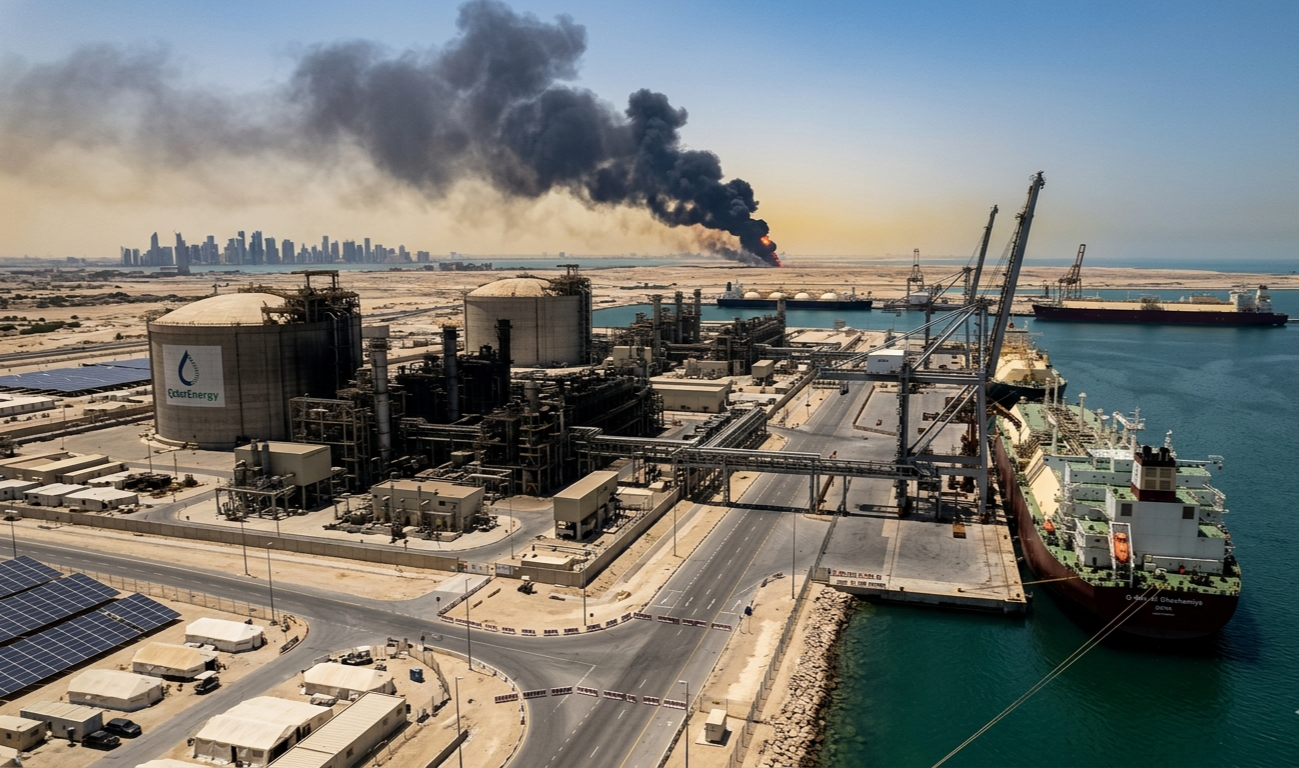
The Iran war triggered an energy crisis across many parts of the world. With shipping through the Strait of Hormuz severely disrupted, the limited production increases announced by OPEC+ in previous months were not enough to offset the global supply shortage.
At the beginning of the conflict, many major oil producers in the Middle East were forced to reduce production because exports were largely blocked.
According to S&P Global Energy, Gulf oil production is not expected to fully recover until the first quarter of 2027.
What It Means for Consumers
Energy experts warn that even after the conflict ends, fuel prices, transportation costs, and the prices of consumer goods are likely to remain elevated for an extended period. While OPEC+'s latest production increase may provide some relief to the market, it is expected to take more time before the global energy market returns to full stability.