Wall Street Braces for Inflation Data as Oil Prices Add to Economic Pressure
Wall Street is set to receive several important updates on inflation this week, with investors closely watching new data that could influence expectations for U.S. monetary policy

Wall Street Braces for Inflation Data as Oil Prices Add to Economic Pressure
Wall Street is set to receive several important updates on inflation this week, with investors closely watching new data that could influence expectations for U.S. monetary policy.
On Thursday, the United States will release its August Producer Price Index (PPI) report, which measures price changes at the wholesale level. The data provides insight into the costs businesses face before those costs are potentially passed on to consumers.
On Friday, the government will release the closely watched August Consumer Price Index (CPI). The report tracks price changes for a wide range of goods, including groceries, furniture and clothing, as well as services such as vehicle maintenance, travel and restaurant dining.
The two reports will give Wall Street and the Federal Reserve a clearer picture of the direction of inflation. Inflation remains above 3%, putting pressure on households and businesses. Prices are also rising faster than wages, adding to financial strain on consumers.
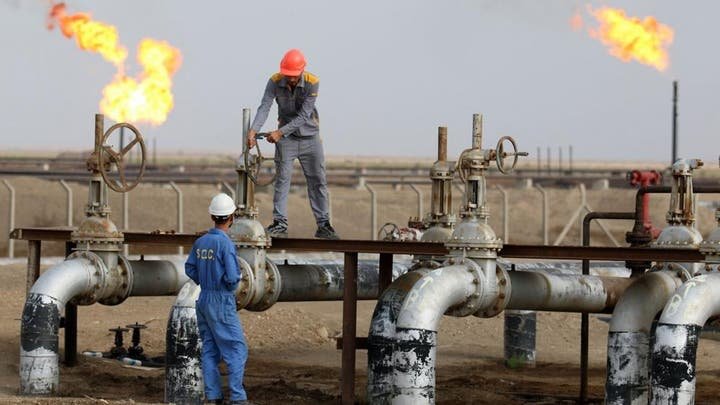
Higher energy prices linked to the ongoing U.S.-Iran war have added to inflationary pressures. Shipping through the Strait of Hormuz has been disrupted. Before the war, roughly 20% of the world's oil supply passed through the strategic waterway, and disruptions have pushed up gasoline prices as well as the cost of transporting goods.
Meanwhile, continuing tariff disputes between the United States and many of its trading partners could put additional upward pressure on prices.
Fed Rate Expectations
The Federal Reserve has been holding its benchmark interest rate steady, but Wall Street expects the central bank could raise rates at least once this year to combat persistent inflation.
The Fed's stated goal is to bring inflation down to 2%. The upcoming PPI and CPI reports will therefore be closely watched for signs of whether inflation is moving closer to—or further away from—that target.