Reuters Report: U.S.-Iran Framework Deal Includes $300 Billion Private Investment Fund
A proposed framework agreement between the United States and Iran includes the creation of a $300 billion private investment fund aimed at reviving Iran’s economy and encouraging both sides to finalize a permanent peace deal, according to a source with direct knowledge of the negotiations

Reuters Report: U.S.-Iran Framework Deal Includes $300 Billion Private Investment Fund
A proposed framework agreement between the United States and Iran includes the creation of a $300 billion private investment fund aimed at reviving Iran’s economy and encouraging both sides to finalize a permanent peace deal, according to a source with direct knowledge of the negotiations. More than half of the fund has already been committed by private investors, although the initiative will only become operational after a final agreement is signed.
Unlike a reconstruction aid package or war reparations program, the planned fund will consist entirely of private-sector financing and will not include money from governments or grants. Companies from the United States, Gulf Arab countries, Asia, South America, and Africa have reportedly pledged investments, with funding expected to support sectors such as energy, logistics, manufacturing, and transportation.
The investment vehicle, expected to be known as the Reconstruction and Development Fund, emerged after Iran reportedly sought $400 billion in compensation for war-related damages from the United States. According to a senior Iranian source, Washington rejected that request, leading negotiators to develop the investment fund as an alternative mechanism to stimulate economic recovery and long-term development.
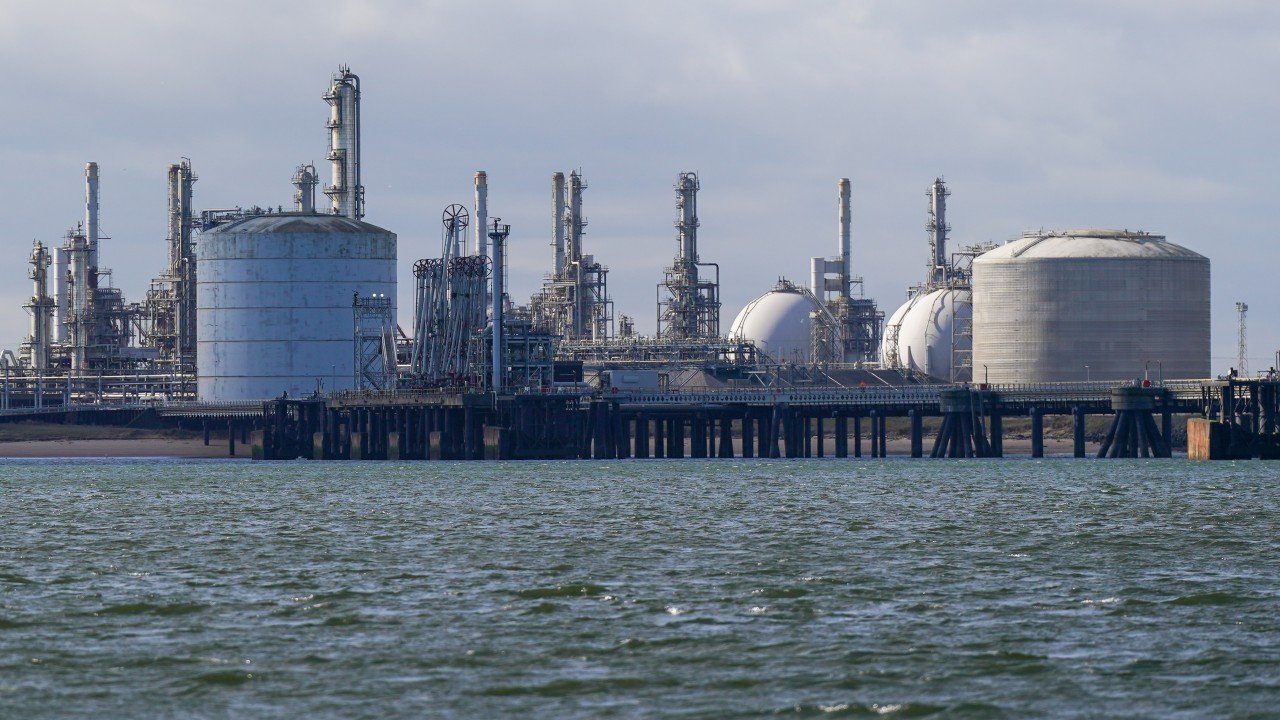
Regional countries are expected to contribute through loan guarantees, credit facilities, or direct financing for rebuilding damaged infrastructure. Potential projects include the restoration of industrial facilities such as the Mobarakeh Steel complex, oil refineries, airports, and other infrastructure affected by the conflict.
The source emphasized that the proposed fund is separate from negotiations over sanctions relief and the release of frozen Iranian sovereign assets. Those issues are being discussed through different channels and follow different timelines. The investment fund itself will not be formally established until a comprehensive and satisfactory final agreement between Washington and Tehran is reached. During the planned 60-day framework period, administrators and investors are expected to work with Iranian counterparts to identify and prepare investment projects.
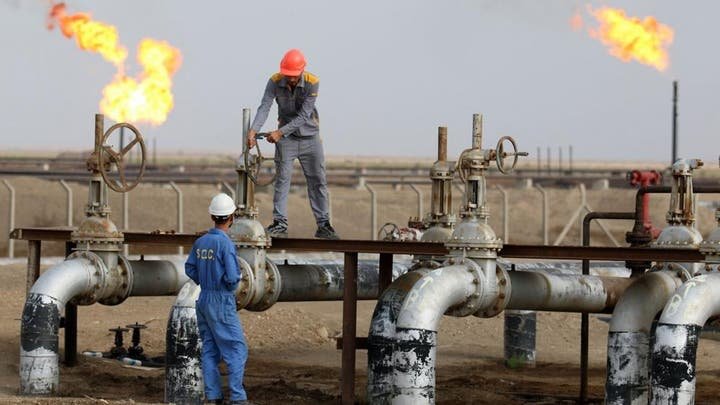
Iran’s economy has faced decades of limited foreign investment because of international sanctions, despite possessing some of the world’s largest oil and natural gas reserves and a sizable industrial base. Supporters of the proposed fund believe it could unlock significant economic opportunities if political conditions improve and sanctions-related barriers are eased.
U.S. Vice President JD Vance has also indicated that access to such a reconstruction and investment mechanism would depend on Iran meeting strict obligations under any final agreement, including commitments related to its nuclear program and international inspections. Key details about how the fund will ultimately be managed and governed remain under discussion.