Brent Crude Surges Above $100 as Middle East War Threatens Oil Supplies
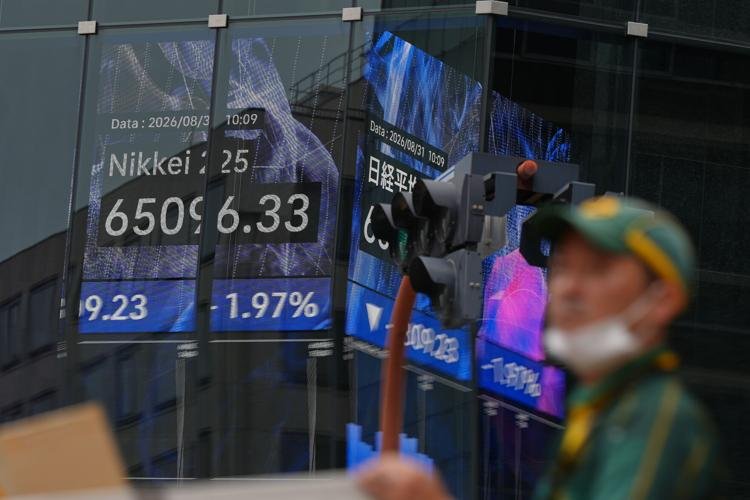
Brent crude prices rose above $100 a barrel on Wednesday for the first time in six weeks as intensified fighting between U.S. and Iranian forces heightened concerns about oil supplies from the Middle East and raised the risk of higher inflation and energy costs for consumers and businesses

Brent Crude Surges Above $100 as Middle East War Threatens Oil Supplies
Brent crude prices rose above $100 a barrel on Wednesday for the first time in six weeks as intensified fighting between U.S. and Iranian forces heightened concerns about oil supplies from the Middle East and raised the risk of higher inflation and energy costs for consumers and businesses.
According to Reuters, Brent, the global oil benchmark, has gained about 25% since the beginning of last month as hopes for a permanent resolution to the six-month-old U.S.-Iran conflict have faded.
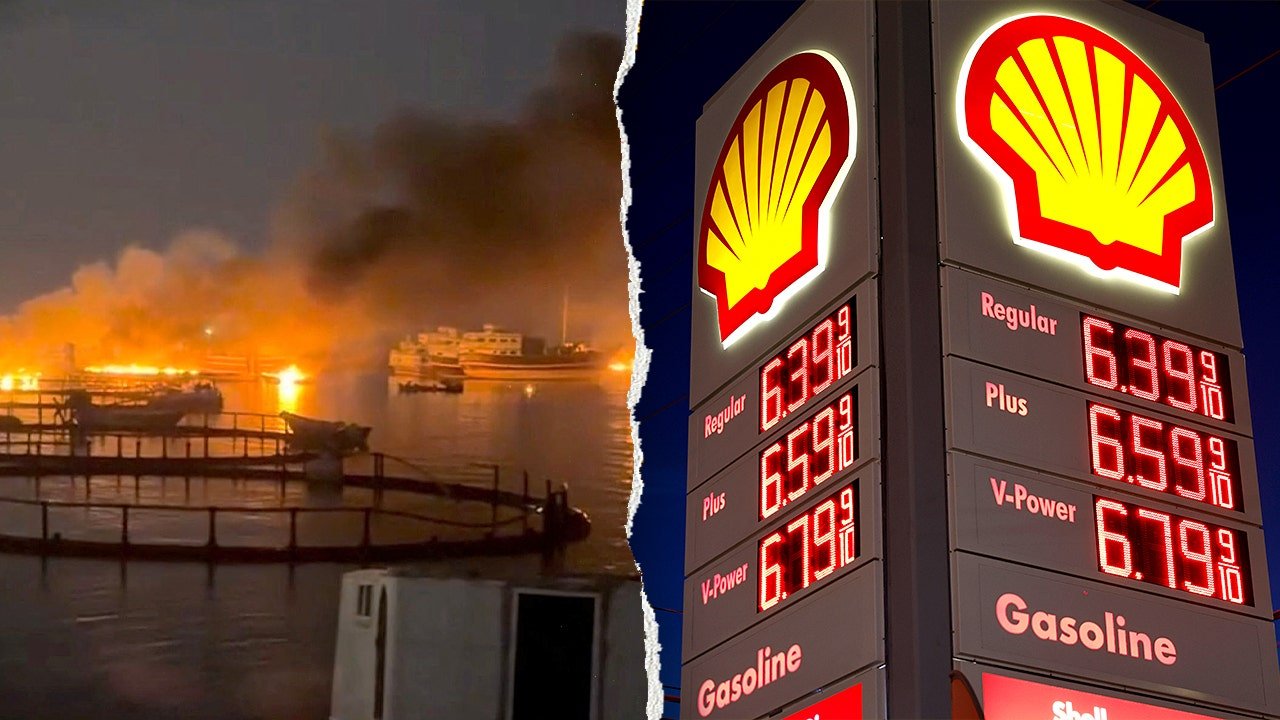
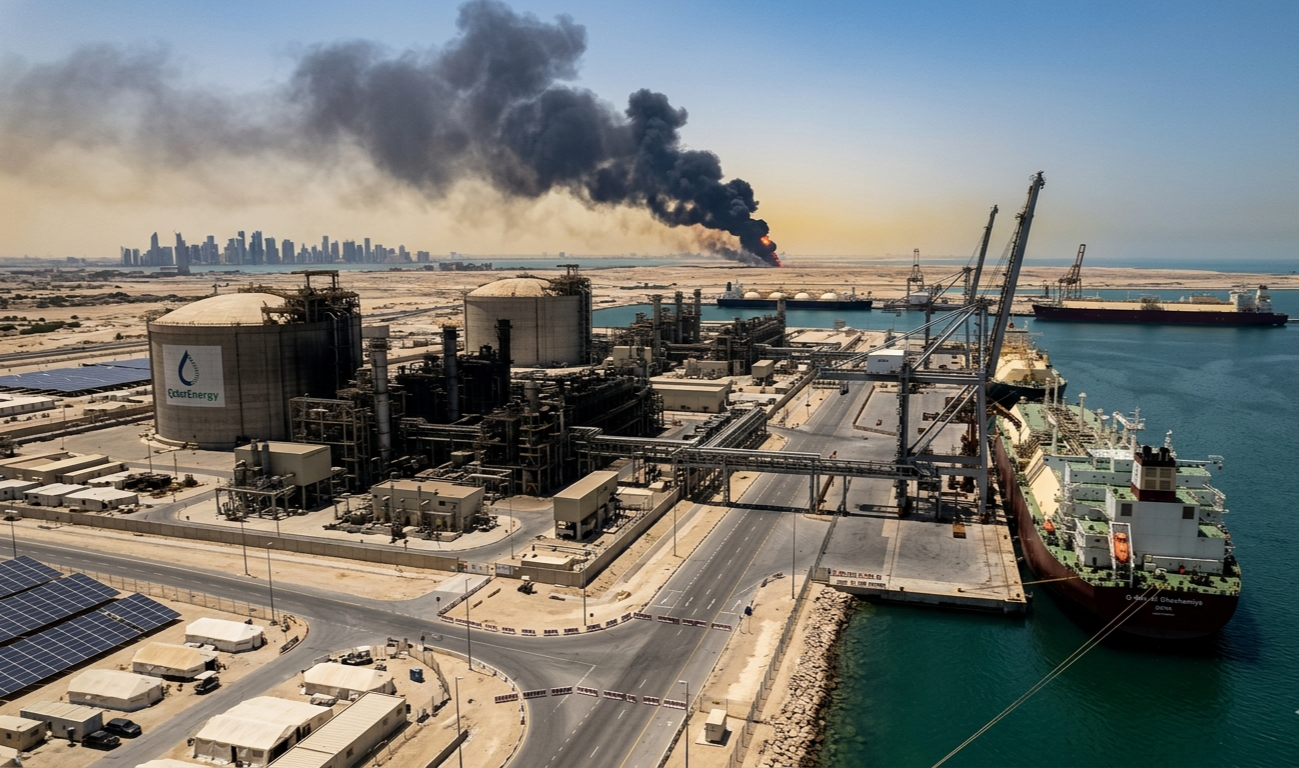
The rally accelerated this week after Iran-backed Houthi forces attacked Saudi energy facilities, setting some oil installations ablaze. The attacks increased concerns that supply disruptions could spread across the wider Gulf region.
The move above $100 highlights growing concerns that the global oil market has become increasingly vulnerable after months of reduced exports through the Strait of Hormuz and declining inventories, Reuters reported.
Tamas Varga of oil broker PVM said investors were clearly signaling their concerns over the latest escalation. He argued that unless the Strait of Hormuz reopens and oil flows resume without interruption, global supply is unlikely to match demand in the foreseeable future.
Brent remains below this year's conflict-driven peak of $126 a barrel, reached in April. However, a sustained period above $100 could have broader economic consequences, increasing transportation and manufacturing costs, reviving inflationary pressures and potentially keeping interest rates higher for longer.
Oil inventories under pressure
Six months of reduced Middle Eastern oil exports have depleted inventories in some major consuming countries, according to Reuters.
The United States has also drawn heavily on its Strategic Petroleum Reserve, which has fallen to its lowest level since 1982. The reserve currently holds about 289.7 million barrels after years of releases under former President Joe Biden and President Donald Trump aimed at containing fuel prices.
The International Energy Agency announced in March that its members would release 400 million barrels from emergency reserves. About three-quarters of that amount has already been released.
The IEA says global oil stocks, including commercial inventories, the U.S. Strategic Petroleum Reserve, Chinese stocks and oil held at sea, remain relatively substantial. However, much of that oil is either in transit, already committed to buyers or held in countries such as China, where information about available inventories is limited.
Middle Eastern oil flows remain disrupted
Although Brent remains below its April peak, its return above the $100 mark poses a significant risk to an already tight market. Reduced inventories and limited spare production capacity leave the market with little room to absorb further disruptions.
Oil-tracking firm Vortexa estimates that about 10 million barrels per day, equivalent to roughly 10% of global oil demand, remain missing from international markets because of disruptions caused by the Iran war.
Some producers, including the United States, Canada and Guyana, have increased output. Nevertheless, the IEA said last month that global oil supply could fall by about 4.3 million barrels per day, or 4%, in 2026.
With emergency stockpiles depleted and millions of barrels a day already offline, analysts say the global market has less capacity to absorb additional disruptions than it did at the beginning of the conflict.
Jeffrey Currie, co-chairman at Abaxx Markets, said the market appears to be treating the latest increase in energy prices as a temporary event. He argued that the rise is instead structural and could represent a growing “security premium” in oil prices as geopolitical risks persist.
Source: Reuters