Indonesia Doubles Down on Coal to Power Aluminum Expansion
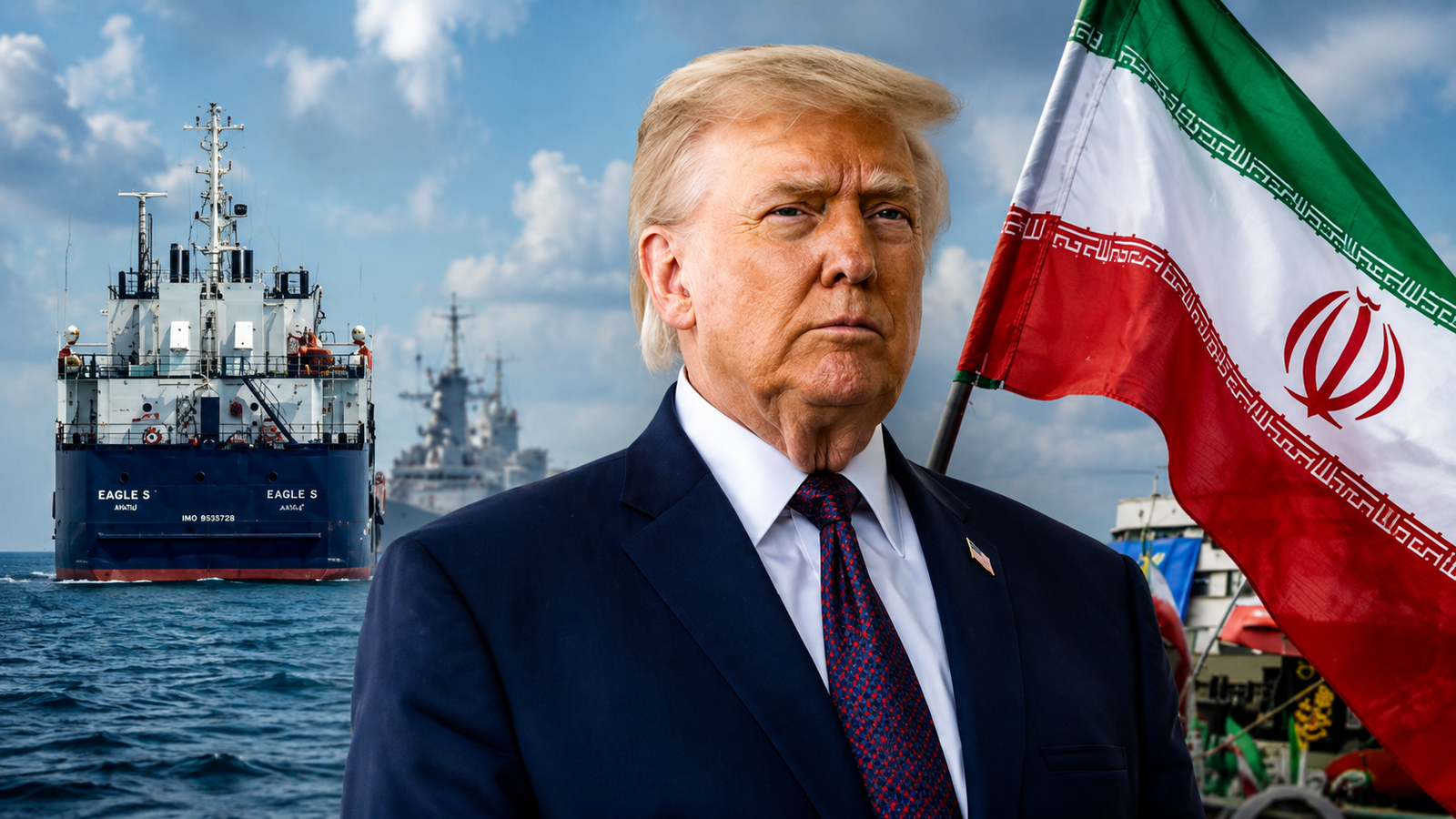
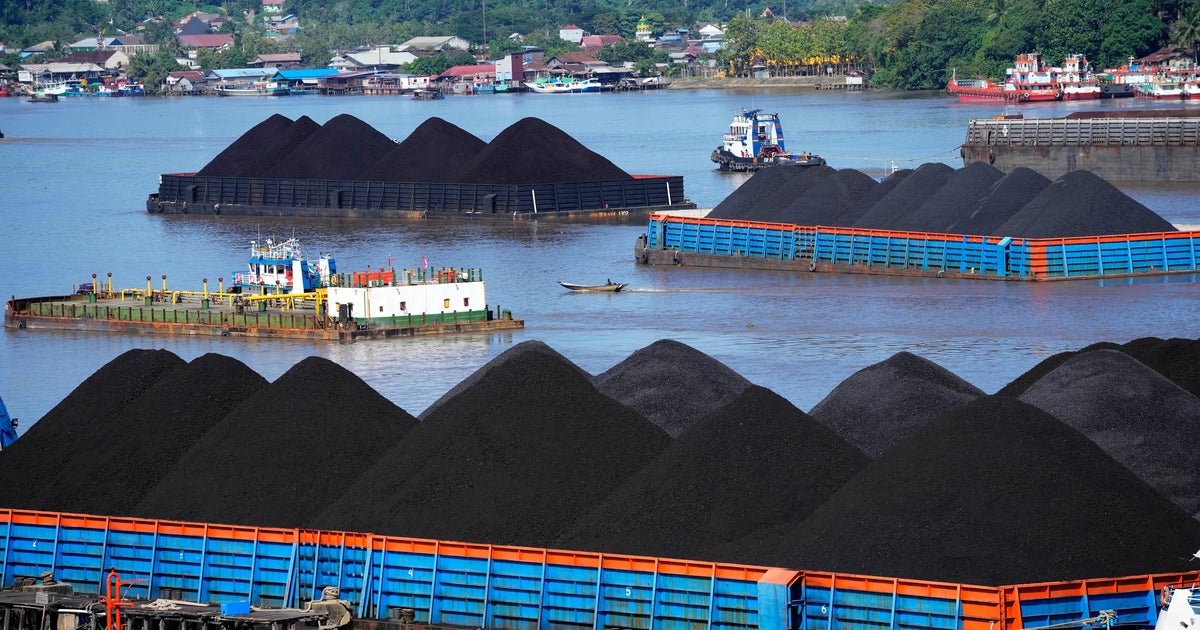
Indonesia is expanding its aluminum production as the Iran war disrupts global supplies, relying on its abundant coal reserves to power new smelters — a move that runs counter to efforts to reduce the carbon emissions driving climate change

Indonesia Doubles Down on Coal to Power Aluminum Expansion
Indonesia is expanding its aluminum production as the Iran war disrupts global supplies, relying on its abundant coal reserves to power new smelters — a move that runs counter to efforts to reduce the carbon emissions driving climate change.
Aluminum prices have risen as fuel shortages and attacks on infrastructure have slowed production in the Middle East. The lightweight, silvery metal is widely used in products ranging from kitchen foil and power lines to smartphones and automobiles.
As Indonesia seeks to expand its limited manufacturing capacity, it has a strong ally in China, which produces about 60% of the world's aluminum but is also seeking to reduce pollution and emissions from smelters within its own territory. Chinese companies have invested in about three-quarters of the aluminum projects planned in Indonesia.
Iran War Strains Global Aluminum Supply
The Middle East normally accounts for about 9% of global aluminum production. However, according to Fastmarkets, a commodities information agency, aluminum output from the region is expected to fall by 44% this year compared with 2025.
Energy shortages have forced Emirates Global Aluminium to withdraw from some deals, while Qatar Aluminium Ltd. has sharply reduced production. Iranian strikes have also damaged facilities belonging to Aluminium Bahrain.
The disruption has pushed aluminum prices significantly higher.
Before the Iran war, aluminum traded at between $3,150 and $3,250 per metric ton. The conflict pushed prices as high as $3,780 per metric ton in June. The metal is now trading at around $3,400 per metric ton.
Andy Farida of Fastmarkets said the war has increased the potential for regions such as Southeast Asia to replace some of the Middle East's aluminum production.
“When that supply is so unsure, end users look for alternatives,” Farida said. “The war has really accelerated this transformation and put Indonesia on the map.”