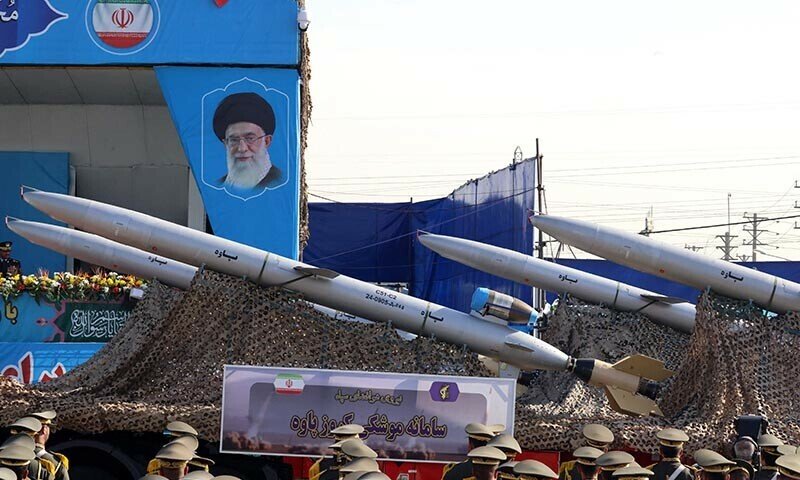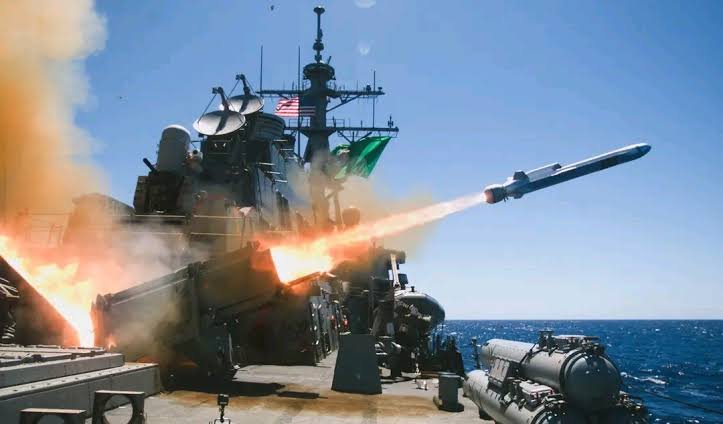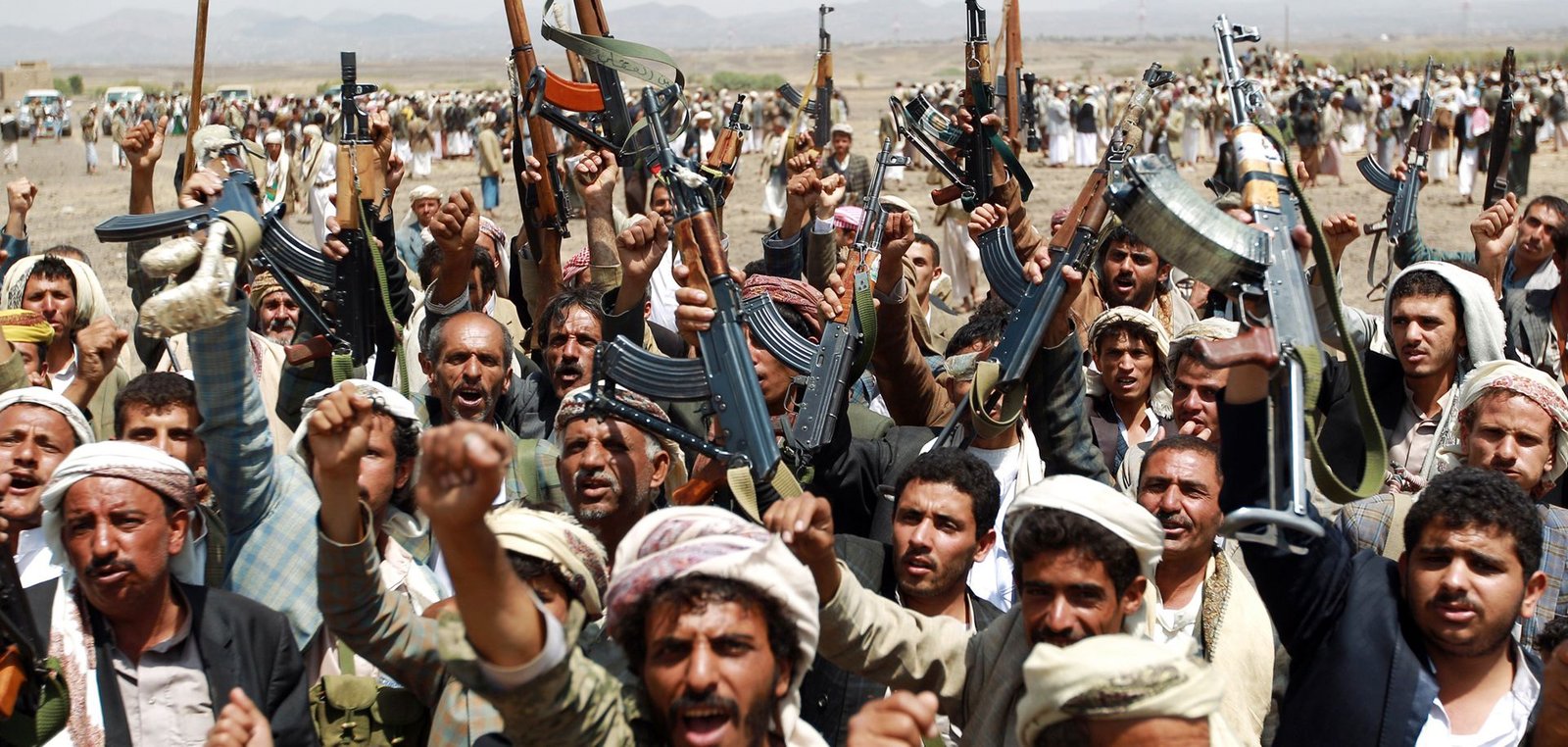
U.S.-Iran Standoff Deepens as Economic War Replaces the Battlefield
The United States and Iran are on the verge of blowing past a deadline they had set for reaching an agreement on peace and Iran’s nuclear program. President Donald Trump’s June cease-fire agreement envisioned a broader deal to end the war and curb Iran’s nuclear ambitions, with negotiations expected to be completed within 60 days

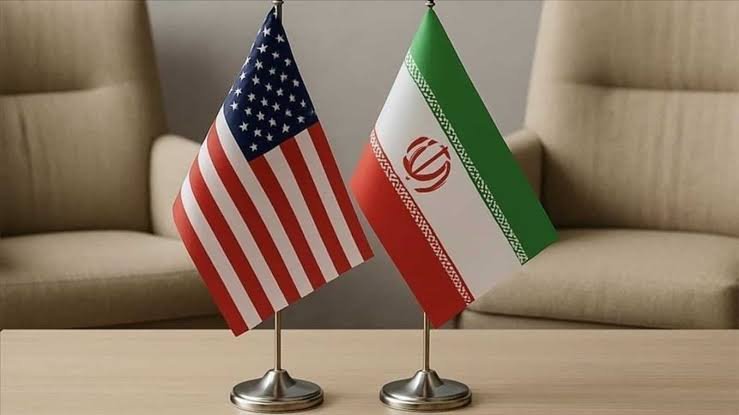
U.S.-Iran Standoff Deepens as Economic War Replaces the Battlefield
The United States and Iran are on the verge of blowing past a deadline they had set for reaching an agreement on peace and Iran’s nuclear program. President Donald Trump’s June cease-fire agreement envisioned a broader deal to end the war and curb Iran’s nuclear ambitions, with negotiations expected to be completed within 60 days.
But that deadline is now effectively being abandoned. The conflict has evolved into a test of willpower and economic endurance, with no clear end in sight.
There have been no publicly reported U.S. strikes against Iranian targets since late July. Yet the effective collapse of the cease-fire agreement highlights how difficult it has become for Trump to end the war that he launched alongside Israel in February.
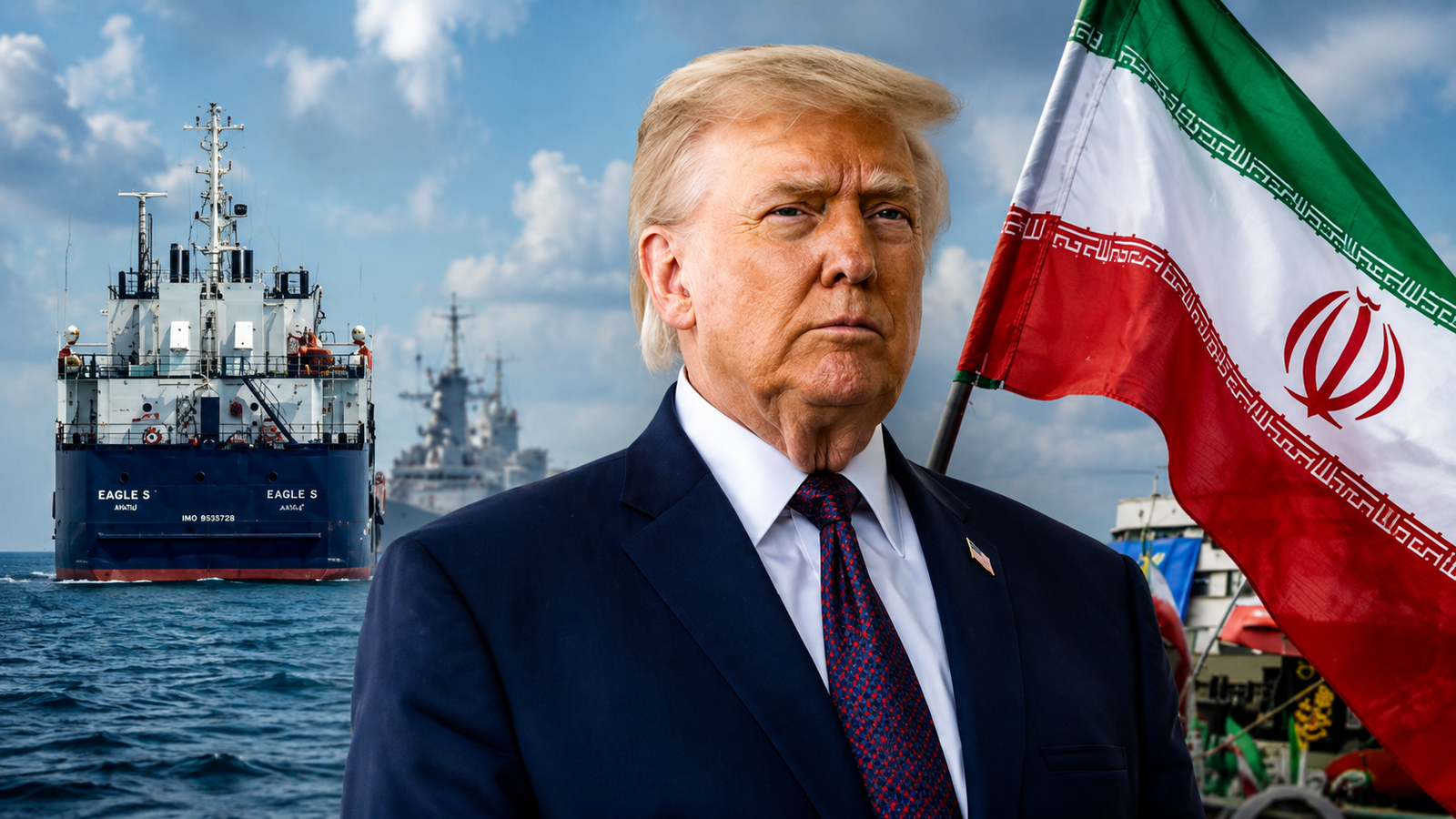
One of the key objectives of the June agreement was to fully reopen the Strait of Hormuz, a crucial global shipping route where Iran has disrupted oil and gas shipments since the war began.
U.S. officials are aware that Monday’s deadline will pass without a comprehensive agreement. According to people familiar with the negotiations, the conflict has largely transformed into a form of economic warfare.
Why Did the June Agreement Collapse?
The June agreement was widely viewed as a major opportunity for Iran because it offered much-needed sanctions relief. However, difficult issues such as uranium enrichment were postponed for later negotiations.
According to Nate Swanson, an Iran expert at the Atlantic Council, Iranian leaders chose to escalate the confrontation rather than consolidate the gains they had achieved through the agreement.
Before the war, ships could move relatively freely through the Strait of Hormuz. But Iran argued that vague language in the June agreement gave it authority over future shipping through the waterway.
That dispute ultimately contributed to the collapse of the agreement.
Iran then began firing on ships traveling through designated channels outside Iranian territorial waters. In response, U.S. forces bombed southern Iran, triggering a new cycle of attacks and counterattacks across the Middle East.
The Strait of Hormuz Has Become the Central Sticking Point
Iran now says it will not reopen the Strait of Hormuz until the United States fulfills commitments made under the cease-fire agreement, including releasing Iranian assets frozen overseas.
The Trump administration, meanwhile, wants Iran to lift the blockade first.
Ali Vaez, an Iran expert at the International Crisis Group, said both sides believe that the other will become more desperate for a deal within days or weeks, allowing them to secure better terms.
As a result, the United States and Iran have become locked in a prolonged game of endurance.
On Saturday, a state-owned oil company in the United Arab Emirates said that another of its vessels had come under attack in the waterway. The company did not identify the attacker, although it had previously blamed Iran for attacks on its ships.
Hormuz Is Now Trump’s Main Focus
When the war began, Trump said his objectives included empowering the Iranian people to challenge the existing regime, severely weakening Iran’s missile capabilities and preventing Tehran from acquiring a nuclear weapon.
But reopening the Strait of Hormuz has increasingly become one of Trump’s principal objectives.
There is little evidence that the United States and Iran have held extensive negotiations over Iran’s nuclear program since the cease-fire. Nor is there a clear roadmap for reaching a nuclear agreement acceptable to both sides.
Iranian Foreign Minister Abbas Araghchi said over the weekend that Iran had not yet decided whether to resume negotiations with the United States.
He said the 60-day deadline was no longer relevant because the June agreement had essentially become defunct.
“We did not have a cease-fire that now needs to be extended. We had an end to the war, which has now taken on a new status,” he said.
How Realistic Is a New Nuclear Deal?
Former U.S. officials who worked on Iran policy say the possibility of reaching a new nuclear agreement within 60 days was remote from the beginning.
The agreement did allow for extensions.
During the Obama administration, it took roughly two years of difficult negotiations to reach the previous nuclear agreement with Iran.
Trump withdrew the United States from that agreement, known as the Joint Comprehensive Plan of Action (JCPOA), in 2018.
The Biggest Weakness: Hormuz
The Trump administration had hoped that the June agreement would at least reopen the Strait of Hormuz.
But analysts say that, in its rush to reach an agreement, Washington relied on vague language that gave Iran grounds to claim future dominance over the waterway.
Nate Swanson described the agreement as flawed and hastily produced. In his view, the most important short-term issue—the Strait of Hormuz—was never resolved.
As a result, the United States and Iran now appear to be settling into an indefinite confrontation in which there is neither full-scale war nor a clearly defined peace.
Sanctions and Naval Blockade Return
In an effort to force Iran to accept U.S. terms, the Trump administration has once again:
Reimposed sanctions on Iranian oil;
Restored a naval blockade against Iran;
Increased economic pressure on Tehran.
These measures had been temporarily suspended under the June agreement.
Iran’s economy is already under severe strain. Earlier this year, the country experienced mass protests that were brutally suppressed.
Although Iran’s economic difficulties remain an important factor for its decision-makers, Swanson argues that the current stalemate could push Iran toward further escalation rather than compromise.
Trump’s New Threat: Turning Hormuz Into U.S. Territory?
Despite the lack of progress on the agreement, Trump and Iranian officials have continued exchanging increasingly hostile statements.
At a political event in Garden City, New York, on Friday, Trump said he would soon be “declaring the Hormuz Strait a territory of the United States.”
It remains unclear how seriously the proposal should be taken.
Taking control of the Strait of Hormuz would likely require U.S. troops on the ground and a prolonged naval presence. Such a move could conflict with the “America First” philosophy embraced by many Trump supporters, particularly those who want the United States to avoid prolonged overseas military conflicts.
Trump has previously made unexpected and controversial foreign-policy proposals. In 2025, for example, he proposed that the United States take control of the Gaza Strip. That proposal was never implemented.
The White House did not respond to questions on Saturday about whether the administration had developed an actual plan to take control of the Strait of Hormuz.
Iran’s Defiant Response
Iran has also refused to back down in the face of Trump’s threats.
Iranian Deputy Foreign Minister Kazem Gharibabadi said on social media:
“Accept reality once and for all. So far, you have suffered major strategic defeats. The Strait of Hormuz has been Iranian, is Iranian, and will remain Iranian.”
The conflict in the Middle East has therefore evolved beyond conventional military confrontation into a prolonged struggle involving oil, sanctions, shipping routes, economic pressure and diplomacy.
The biggest question now is:
Which side—the United States or Iran—will reach the limits of its economic and strategic endurance first and be forced back to the negotiating table?