Inflation Slows in the U.S., but Prices Remain Elevated as Iran War and AI Spending Add Pressure
U.S. inflation slowed slightly last month as gasoline and grocery prices declined, but overall prices are still rising faster than they were before the Iran war. The situation poses a challenge for the White House as the midterm elections approach

Inflation Slows in the U.S., but Prices Remain Elevated as Iran War and AI Spending Add Pressure
U.S. inflation slowed slightly last month as gasoline and grocery prices declined, but overall prices are still rising faster than they were before the Iran war. The situation poses a challenge for the White House as the midterm elections approach.
The Labor Department reported Wednesday that consumer prices increased 3.4% in July from a year earlier, down slightly from 3.5% in June. On a monthly basis, prices rose just 0.1% from June to July.
Inflation had fallen to 2.4% before the Iran war. However, sharply higher gasoline prices pushed inflation to 4.2% in May, the highest level in three years.
Excluding volatile food and energy prices, core inflation declined to 2.5% in July, from 2.6% in June. July's figure matched the post-pandemic low recorded in January and February.
Economists say the slowdown in inflation could provide some relief to the Federal Reserve, potentially reducing pressure to raise interest rates. Fed officials remain divided over their next steps.
However, the situation is far from comfortable. Gasoline prices have risen again since late July. On Wednesday, the national average price of gasoline was $4.04 per gallon, 16 cents higher than a month earlier.
Several factors have contributed to higher inflation, including President Donald Trump's tariffs, higher fuel prices following the U.S. attack on Iran, and a surge in investment in artificial intelligence infrastructure.
AI-related investment has also contributed to higher computer-chip costs. In July, computer prices jumped 3.5% from June, while smartphone prices increased 1.1%. Airline fares also rose 2.2% as oil and jet-fuel prices climbed.
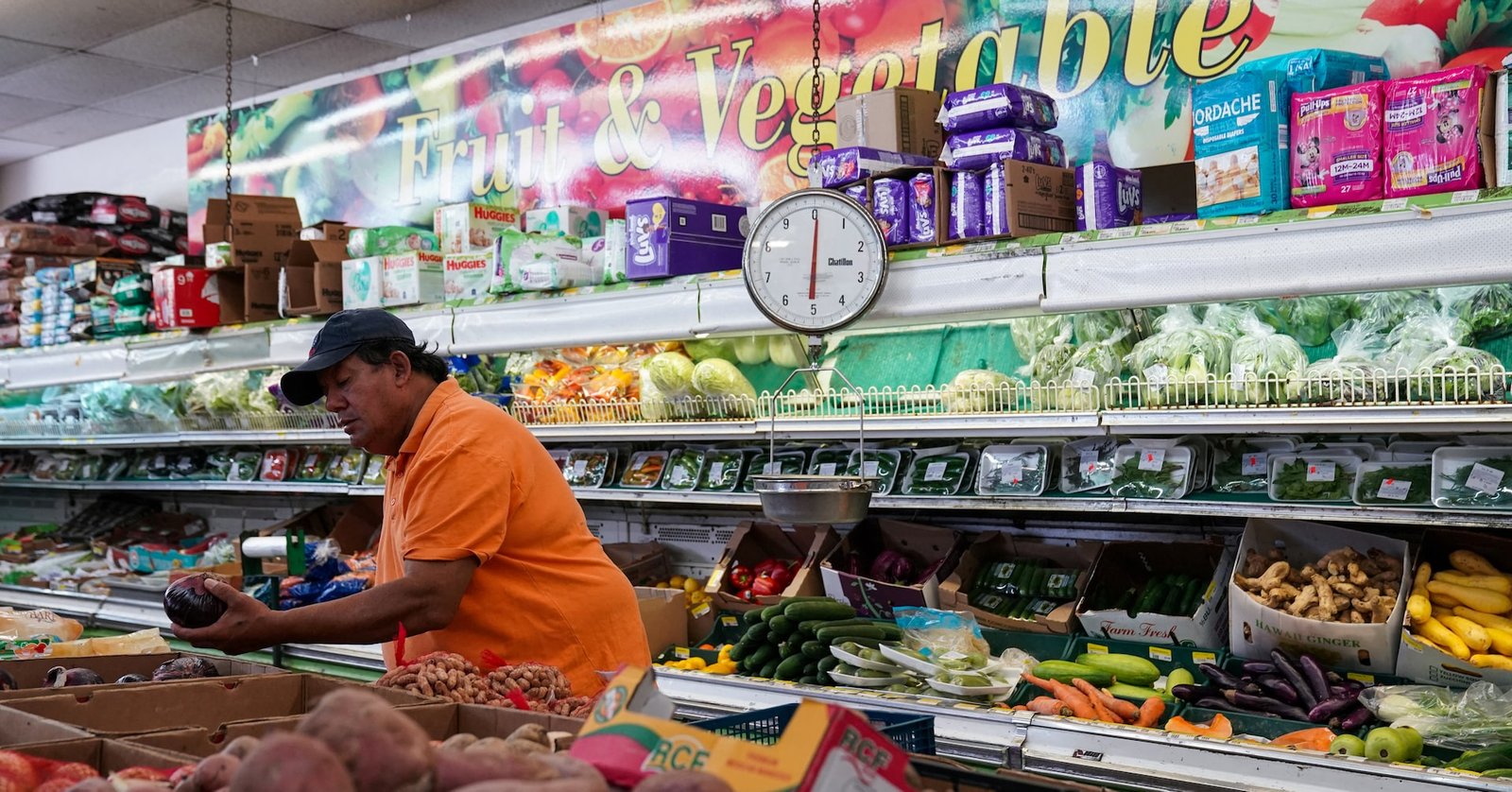
Meanwhile, gasoline prices fell 2.9% from June to July, while grocery prices declined 0.1%. Despite the monthly decline, gasoline prices remain 25% higher than a year ago, while grocery prices are up 2.7%.
Prices for services such as healthcare, restaurant meals and car maintenance also increased by about 3% over the past year.
Economists say household incomes are not rising fast enough to keep pace with some of the increases in living costs. As a result, many Americans are cutting back on spending, comparing prices, using coupons and buying fewer of their favorite foods.
Businesses are also facing higher costs. Sherwin-Williams, for example, plans to raise prices by about 8% in September to offset higher raw-material costs.
Overall, July's inflation report offered some encouraging signs, but the Iran war, energy prices, tariffs and increased AI investment could continue to put pressure on inflation in the coming months. The Federal Reserve and economists will closely monitor whether these temporary pressures fade or develop into longer-lasting inflation.
Source: AP