Trump Faces Calls for Windfall Tax on Big Oil's Iran War Profits
US President Donald Trump is facing growing calls to impose a windfall profits tax on major oil companies after acknowledging that they have made "too much money" from the Iran war. Environmental and consumer advocates argue that if Trump genuinely believes oil companies are reaping excessive profits, he should tax those extraordinary earnings

Trump Faces Calls for Windfall Tax on Big Oil's Iran War Profits
US President Donald Trump is facing growing calls to impose a windfall profits tax on major oil companies after acknowledging that they have made "too much money" from the Iran war. Environmental and consumer advocates argue that if Trump genuinely believes oil companies are reaping excessive profits, he should tax those extraordinary earnings.
Tyson Slocum, Energy Program Director at consumer advocacy group Public Citizen, said Trump's own policies have helped oil giants maximize their profits. However, he added that the president was correct in saying the industry is making excessive money.
"Even a broken clock is right twice a day. If Trump believes Big Oil is making too much money, he should support a windfall profits tax," Slocum said.
Record Profits for Oil Giants
On Friday, ExxonMobil and Chevron reported massive second-quarter earnings. Chevron's profits surged nearly 400% to $12 billion, while ExxonMobil more than doubled its earnings to $14.5 billion.
Earlier this week, Trump criticized the companies, saying they were "making too much money because of a shortage" and "ought to give some of that back to the public."
A Shift in Trump's Position
Critics point out that Trump's latest remarks contradict his earlier statements. In March, he celebrated rising oil prices, writing on social media that, "When oil prices go up, we make a lot of money."
He also argued that Iran's closure of the Strait of Hormuz would have little impact on the United States because it is the world's largest crude oil producer. Energy experts, however, note that global oil prices are determined by international markets and supply chains, meaning the US is also affected by disruptions.
Support for the Fossil Fuel Industry
According to reports, Trump met with more than 20 oil executives during the 2024 campaign, seeking $1 billion in campaign contributions while promising to roll back environmental regulations if elected.
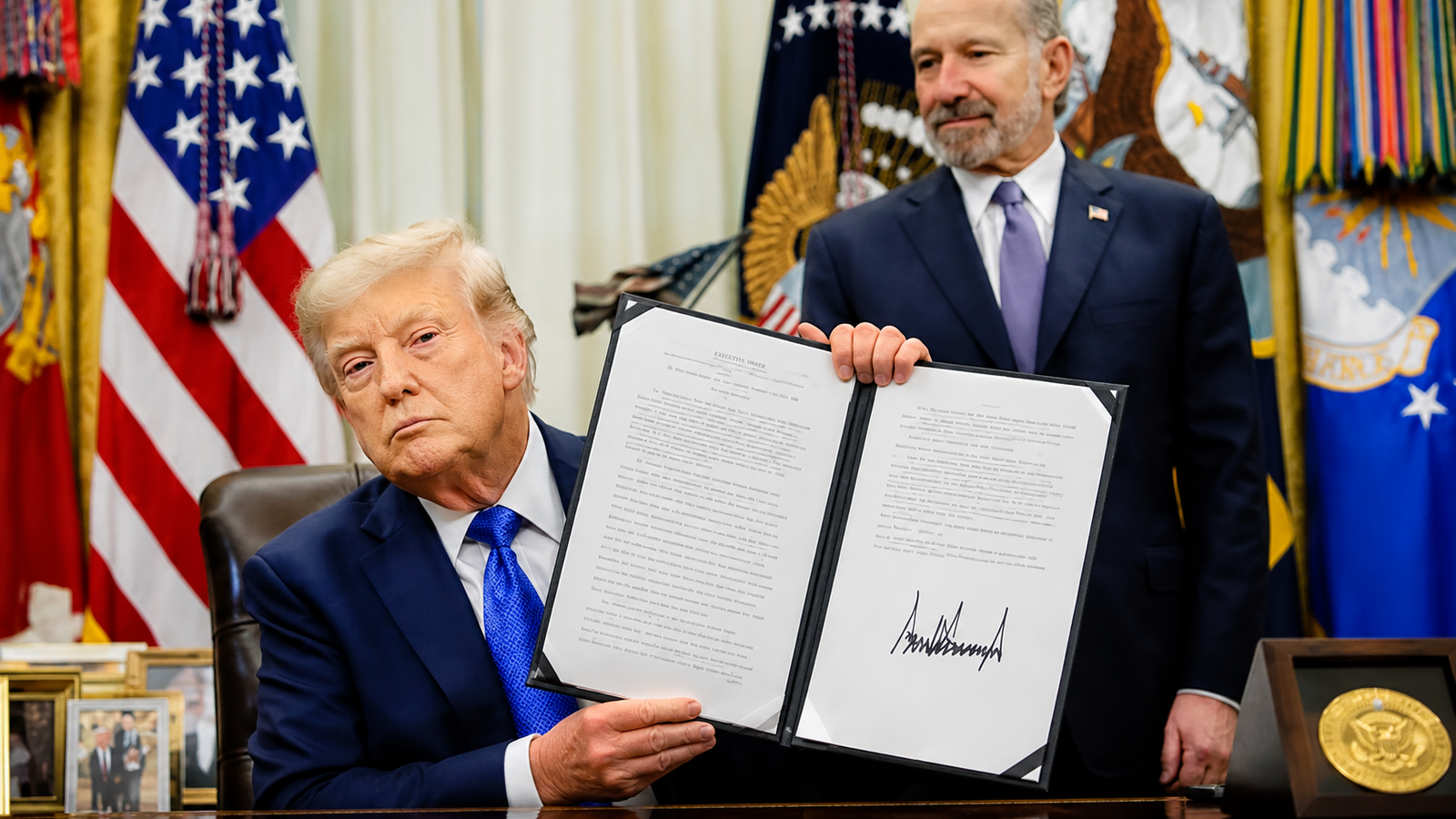
Since returning to the White House, he has relaxed numerous restrictions on fossil fuel development, exempted oil and gas companies from several environmental rules, and signed executive orders aimed at blocking climate lawsuits against major oil producers.
Lena Moffitt, Executive Director of Evergreen Action, said the companies that financially backed Trump's campaign are now benefiting from his pro-industry policies.
Trump's Personal Investments
Trump's 2025 financial disclosure shows that he also expanded his personal investments in the energy sector, purchasing between $3 million and $12 million in ExxonMobil stock and between $1.25 million and $6 million in Chevron shares. Critics argue that he may personally benefit from the companies' windfall profits.
Proposal for a Windfall Tax
Senator Sheldon Whitehouse of Rhode Island and Congressman Ro Khanna of California have proposed imposing a windfall profits tax on oil companies that benefited from the Iran war. They argue that the revenue should be returned to American families struggling with higher fuel costs.
White House Response
White House spokesperson Taylor Rogers defended the administration's energy agenda, saying Trump's priority remains lowering fuel prices for Americans.
"The President's energy dominance agenda is focused on providing reliable, affordable, and secure energy," Rogers said, adding that the administration remains committed to its "Drill, Baby, Drill" policy.
Higher Costs for American Families
According to a Brown University tracker, American families have spent more than $78 billion extra on gasoline since the start of the Iran war.
A separate analysis by Climate Power and the Center for American Progress Action Fund estimates that Trump's energy policies have increased fuel costs by an average of $285 per household.
Calls for Additional Measures
Advocates argue that, in addition to a windfall profits tax, the administration should also consider limiting fossil fuel exports, which they say contribute to higher domestic fuel prices and larger profits for oil companies.
Congressman Ro Khanna has introduced legislation that would temporarily ban gasoline exports during periods of sharp price increases. However, the White House has made clear that it has no plans to restrict oil and gas exports.
Meanwhile, dozens of advocacy organizations led by Food & Water Watch have urged Congress to impose a windfall profits tax on major oil companies and restrict fossil fuel exports, arguing that concrete action is needed to curb excessive profiteering by the fossil fuel industry.