Trump Signs New Order Tightening Birthright Citizenship
U.S. President Donald Trump has signed an executive order aimed at limiting birthright citizenship in the United States, targeting what his administration describes as “birth tourism.” The move is expected to trigger legal and constitutional challenges, as birthright citizenship is protected under the 14th Amendment of the U.S. Constitution.

Trump Signs New Order Tightening Birthright Citizenship
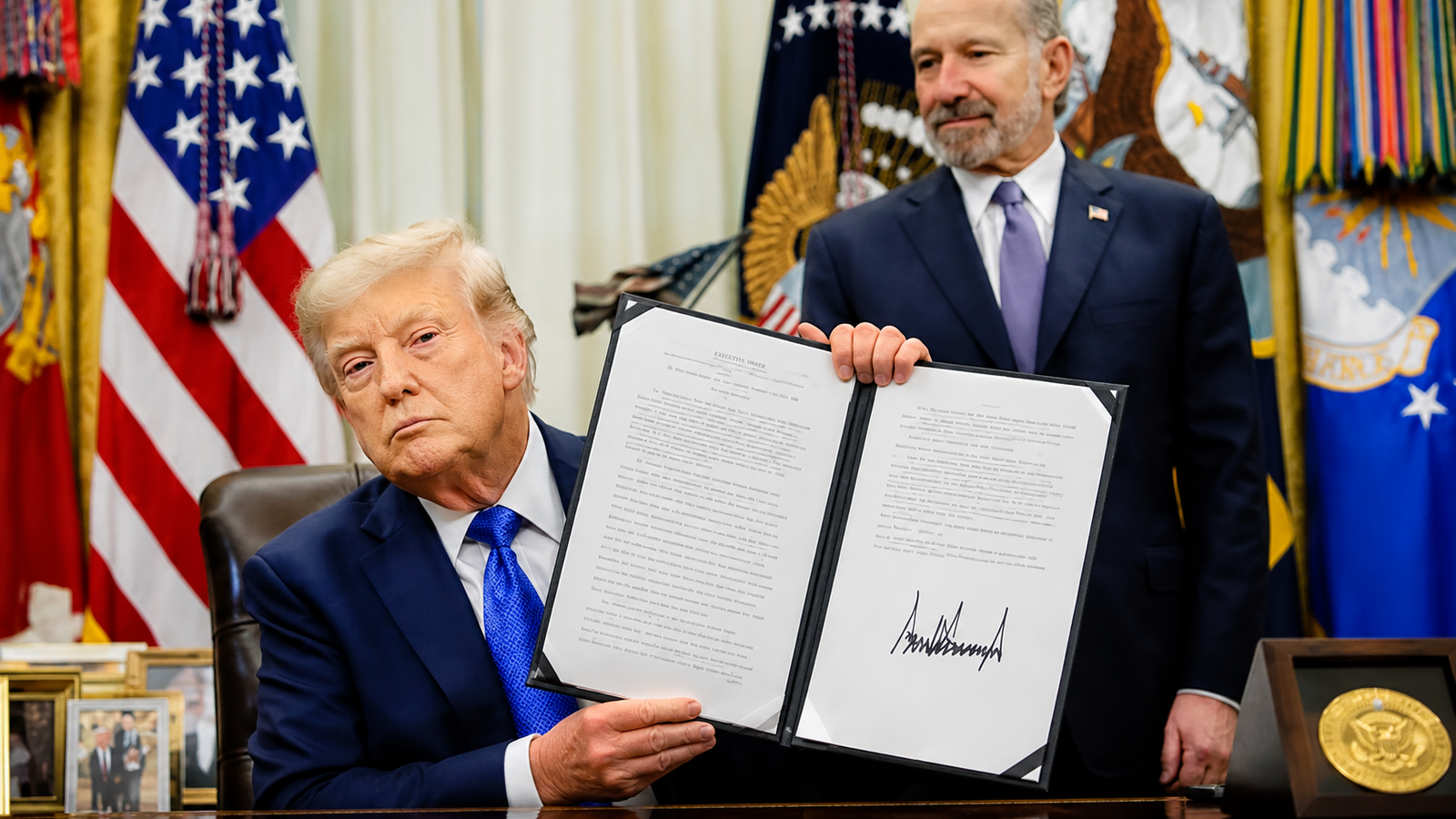
U.S. President Donald Trump has signed an executive order to restrict birthright citizenship, marking a significant shift in one of America’s long-standing constitutional principles.
Under the 14th Amendment of the U.S. Constitution, most children born on U.S. soil automatically acquire American citizenship. The amendment was adopted in 1868 following the Civil War to guarantee citizenship rights for formerly enslaved people and their descendants.
However, the Trump administration argues that the policy has increasingly been exploited through what it calls “birth tourism,” where foreign couples travel to the United States primarily to give birth so their child can obtain U.S. citizenship.
According to the White House, the executive order is intended to curb such practices and strengthen immigration enforcement.
White House Homeland Security adviser Stephen Miller said the measure would primarily affect foreign nationals seeking U.S. citizenship for their children through birth tourism, as well as individuals linked to terrorist organizations.
Speaking after signing the order, President Trump stated: “They’ve turned birthright citizenship into a complete joke. This abuse has gone on for decades, and it’s our responsibility to stop it.”
Currently, children of foreign diplomats and certain foreign nationals are already excluded from automatic birthright citizenship. The new order seeks to further narrow eligibility.
Legal experts, however, believe the executive order is likely to face immediate constitutional challenges because birthright citizenship is explicitly protected under the 14th Amendment. The issue is expected to become the subject of intense legal and political debate in the United States.