Houthi Strikes on Yemeni Military Threaten to Reignite Civil War
The Iran-backed Houthi militia has claimed responsibility for attacks on Yemeni government forces in the oil-rich provinces of Marib and Hadramout, raising fears that Yemen's long-running civil war could flare up once again and shatter the country's fragile truce

Houthi Strikes on Yemeni Military Threaten to Reignite Civil War
The Iran-backed Houthi militia has claimed responsibility for attacks on Yemeni government forces in the oil-rich provinces of Marib and Hadramout, raising fears that Yemen's long-running civil war could flare up once again and shatter the country's fragile truce.
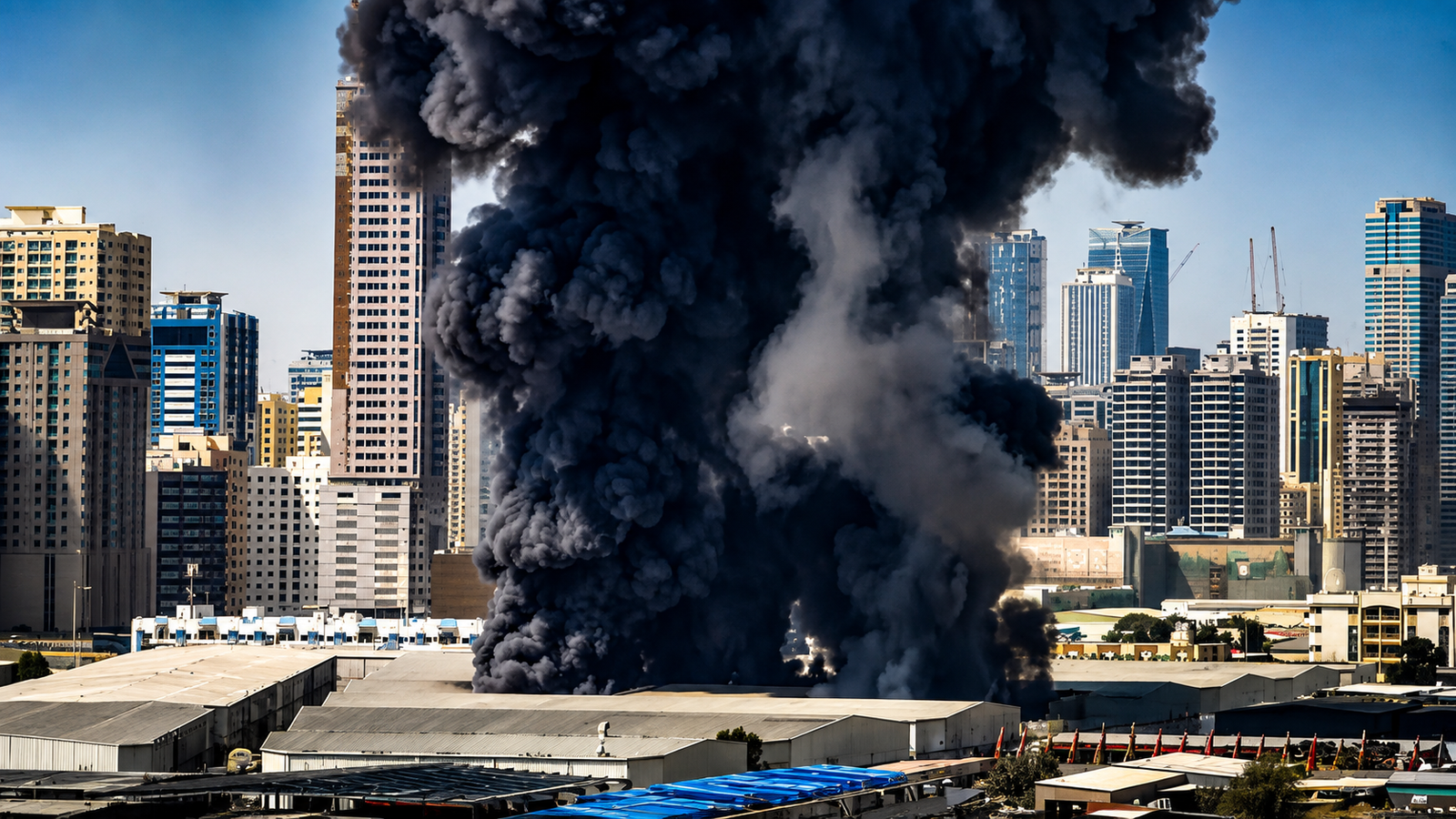
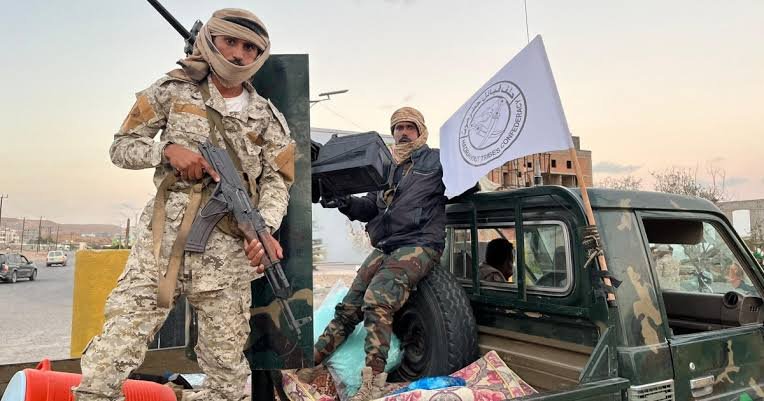
According to Yemen's Ministry of Defense, the Houthis launched attacks on several military camps and units belonging to the internationally recognized government in Marib and Hadramout on Thursday. The state news agency reported that at least 17 soldiers were killed in the assault.
The violence was not confined to Yemen. A Saudi-led military coalition supporting the Yemeni government said that a separate Houthi shelling attack in Saudi Arabia's Najran border region injured 11 civilians. The Houthis did not immediately comment on the attack inside Saudi territory.
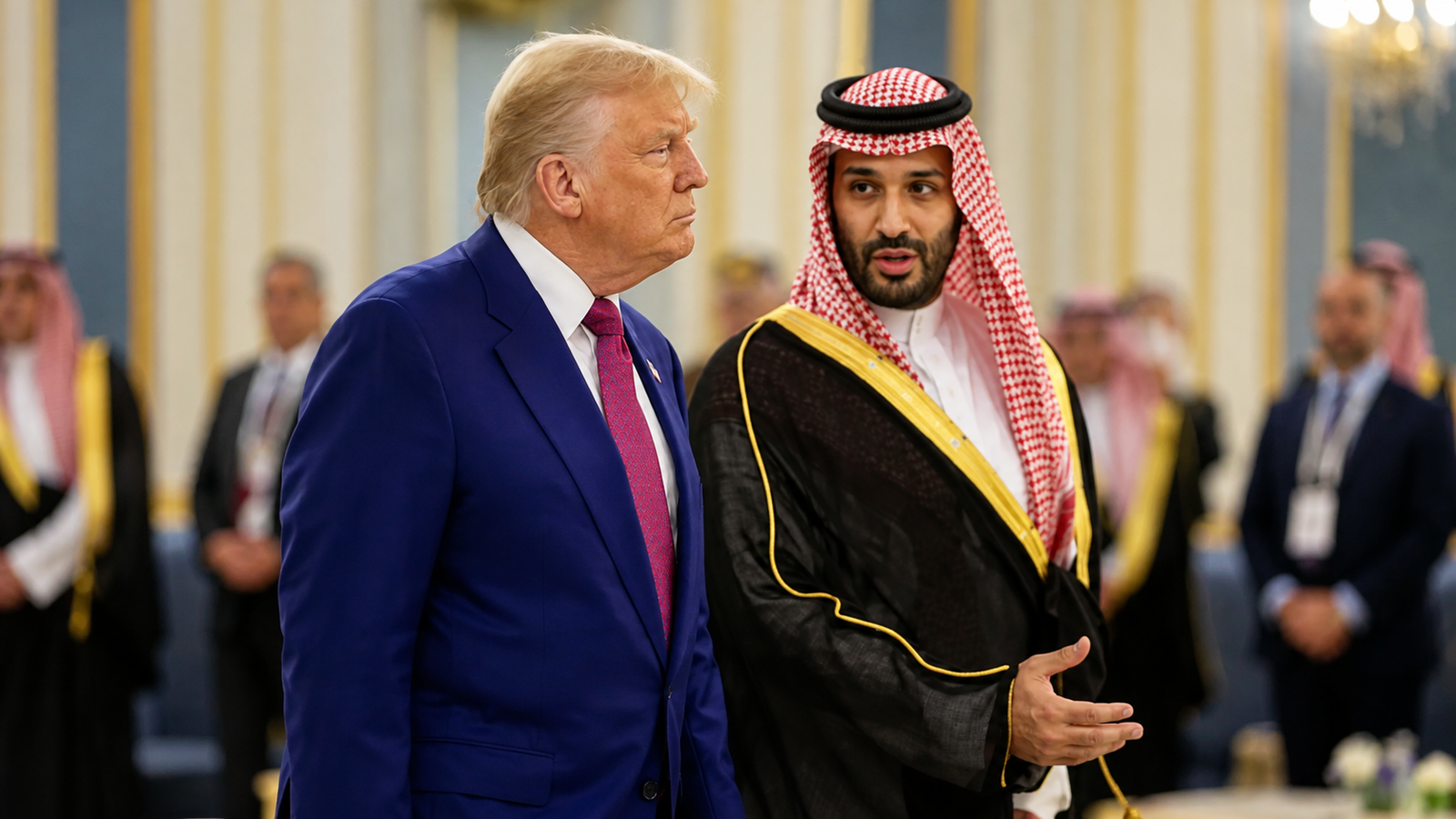
Since 2015, the Saudi-led coalition has sought to remove the Houthis from power and restore Yemen's internationally recognized government after the militia seized control of the capital, Sanaa. In recent weeks, renewed clashes between the two sides have heightened concerns that the conflict could escalate into a full-scale war.
Houthi military spokesman Yahya Saree said the group had launched a large number of drones and ballistic missiles at Yemeni military camps in Marib and Hadramout. He claimed the strikes were carried out after the Houthis detected what they described as a major Saudi military buildup aimed at escalating operations against them.
Yemen's Ministry of Defense vowed to retaliate against the Houthis "at the appropriate time and place," while the Saudi-led coalition said it would employ "all deterrent measures" in response to what it called terrorist aggression.
Yemen's civil war has claimed hundreds of thousands of lives over the past decade, both through direct violence and through famine and disease caused by the conflict. Although the government and the Houthis agreed to a fragile ceasefire in 2022, rising tensions and intermittent fighting in recent months have fueled fears that the truce is close to collapse.
Last month, the Houthis declared a blockade on Saudi oil shipping in the Red Sea and launched attacks on commercial vessels. In response, the Saudi-led coalition carried out airstrikes in Houthi-controlled territory for the first time in years. The Houthis also claimed responsibility for attacks targeting crude oil supplies and transportation routes linking Saudi Arabia's eastern oil fields to the Red Sea port of Yanbu.
Analysts say that while the Houthis continue to receive support from Iran, they also have their own strategic reasons for intensifying attacks on Saudi Arabia. After consolidating control over northern Yemen during the past decade, the group now appears determined to expand its influence over the country's oil-rich regions.
Marib remains one of the Yemeni government's last major strongholds in the north. Located east of Sanaa, the province hosts the country's largest concentration of internally displaced people who fled years of conflict. Last week, authorities declared a state of emergency in Marib to combat a deadly measles outbreak.
Hadramout, which also came under Houthi attack, contains much of Yemen's modest oil reserves, making it one of the government's most important sources of revenue.