Hormuz Could Reopen, Fuel Prices May Decline
Global oil prices dropped to their lowest level in three weeks after renewed optimism over possible diplomatic progress between the United States and Iran. Expectations that the Strait of Hormuz could soon reopen to normal commercial shipping eased market concerns over energy supplies.

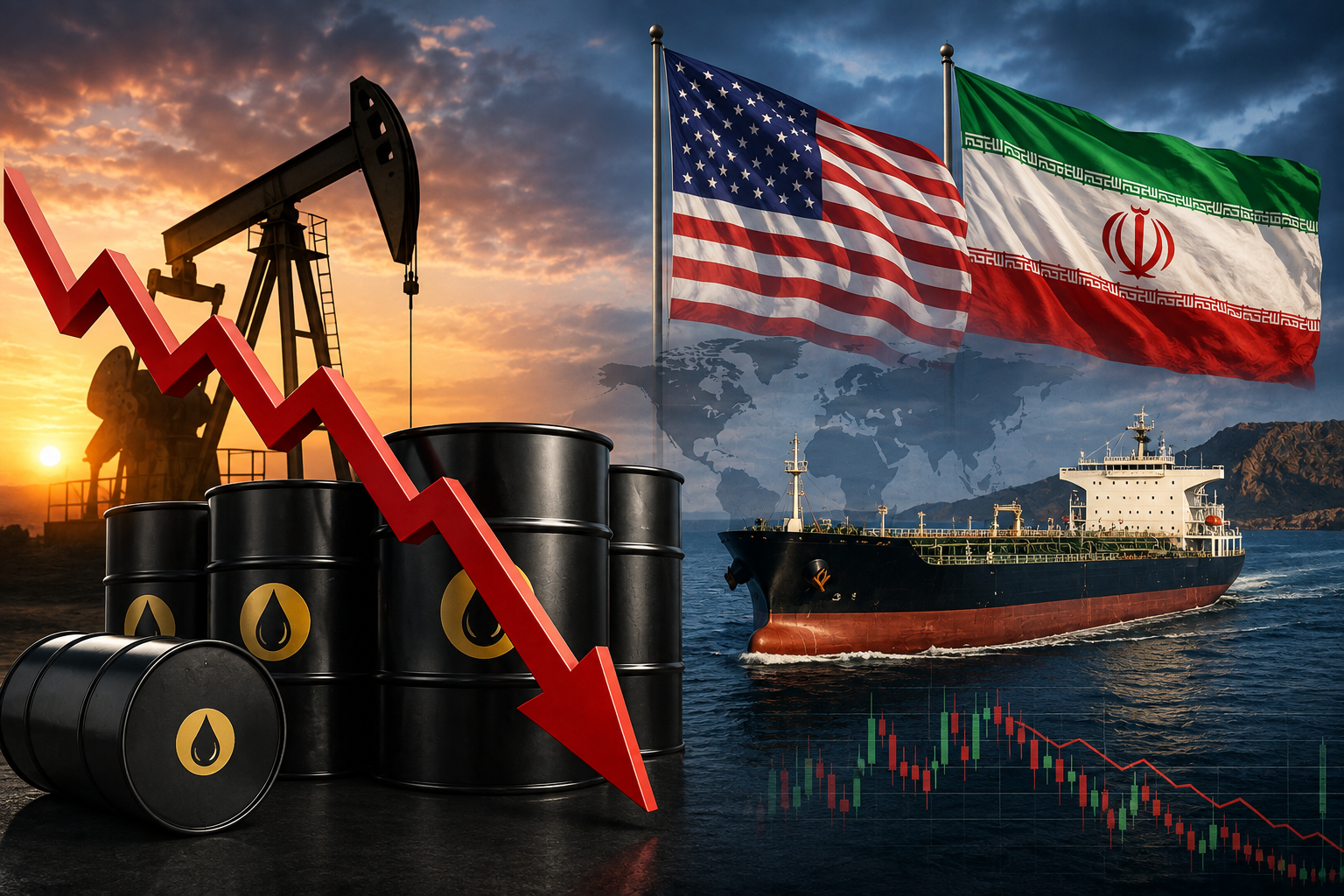
Hormuz Could Reopen, Fuel Prices May Decline
Global crude oil prices declined sharply on Tuesday as hopes of a diplomatic breakthrough between the United States and Iran improved investor confidence.
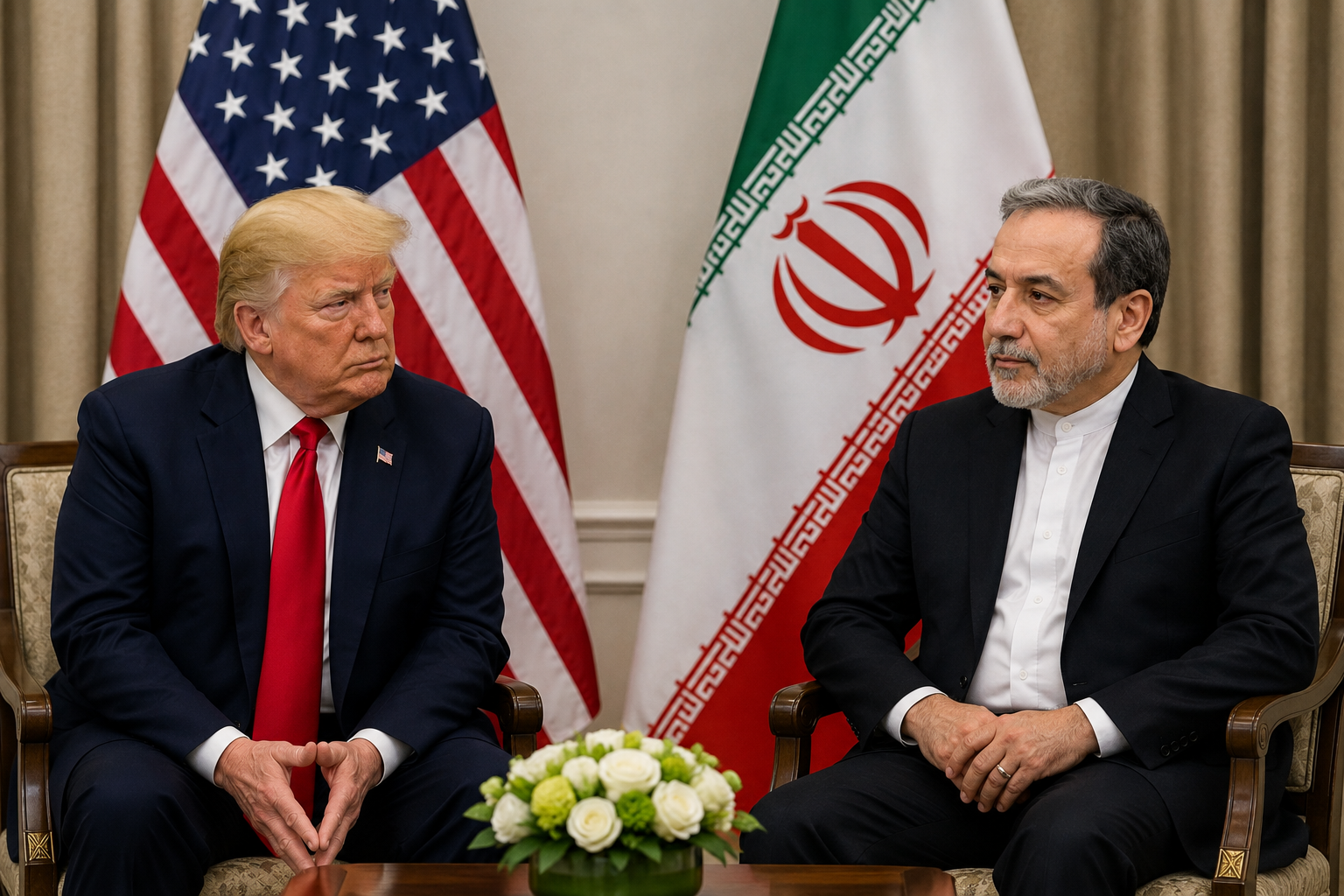
U.S. Secretary of State Marco Rubio and Treasury Secretary Scott Bessent said negotiations involving Iran and Oman had made encouraging progress toward restoring normal shipping through the Strait of Hormuz, one of the world’s most critical energy corridors.
Following the development, Brent crude fell nearly 5 percent to below $80 per barrel, while West Texas Intermediate (WTI) dropped more than 5 percent to around $76 per barrel, marking the lowest levels for both benchmarks since July 13.
Energy analysts said expectations of easing geopolitical tensions in the Middle East prompted traders to reduce the risk premium that had previously driven oil prices higher.
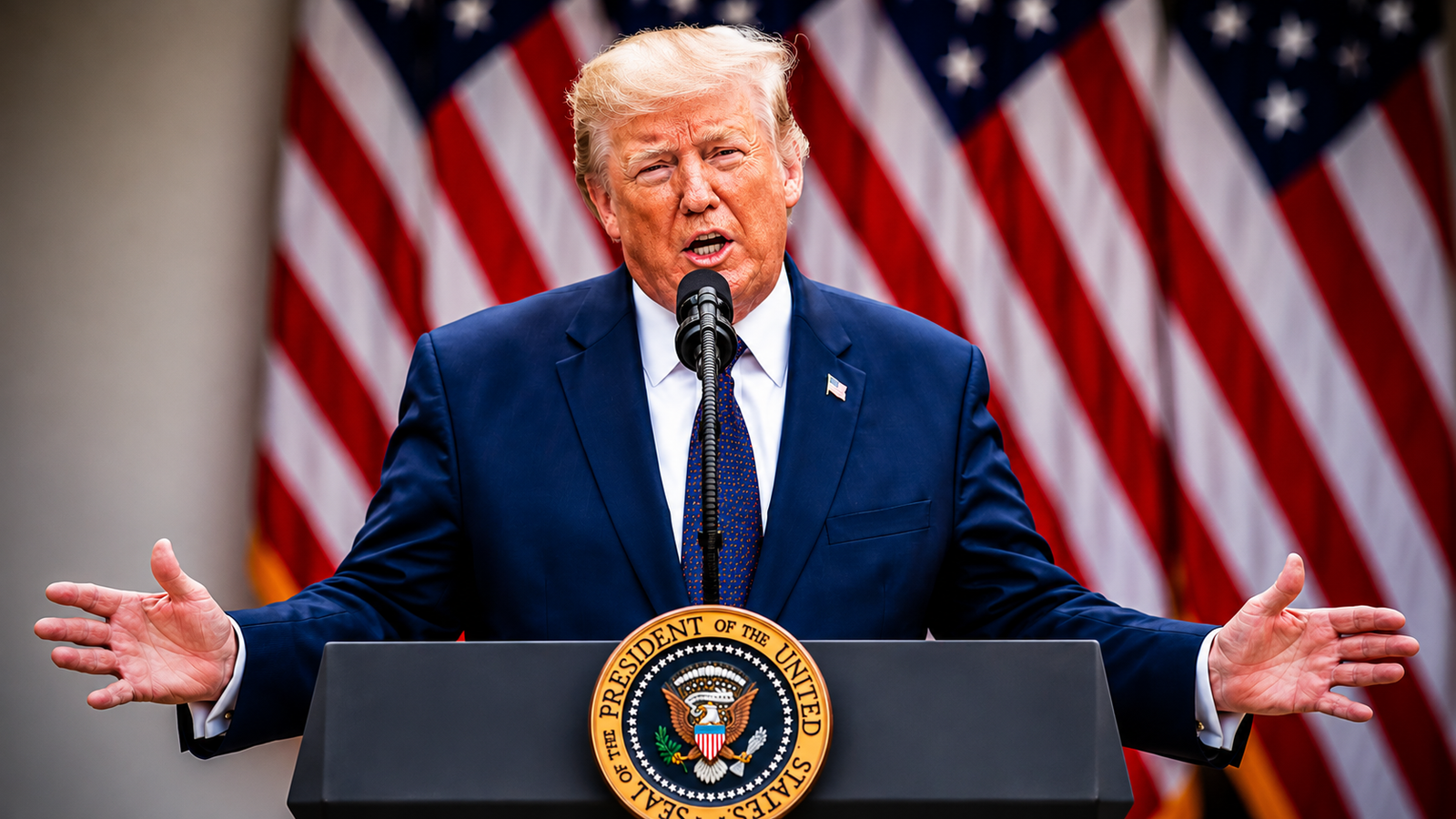
Speaking to U.S. media, Treasury Secretary Scott Bessent said a breakthrough agreement could be reached within hours if negotiations continue to progress positively. President Donald Trump also expressed optimism that diplomatic efforts could help restore stability in the Strait of Hormuz.
At the same time, Trump reiterated that while diplomacy remains the preferred path, the United States is prepared to take stronger measures if negotiations fail.
Tensions between Washington and Tehran escalated following joint U.S.-Israeli strikes on Iranian targets on February 28. Although both sides have since pursued several rounds of indirect negotiations and temporary understandings, a comprehensive agreement has yet to be finalized.
The Strait of Hormuz, through which a significant portion of the world’s oil exports passes, remains central to global energy security. Any improvement in its operational status is expected to stabilize international energy markets and reduce concerns over supply disruptions.