US Envoy Sergio Gor Calls for Greater Global Support for Rohingya Refugees
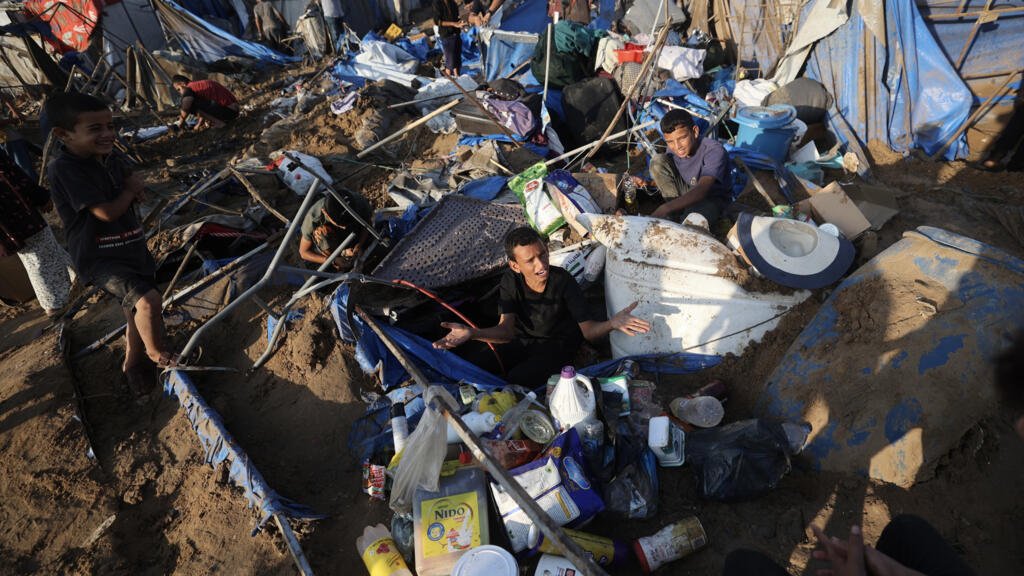
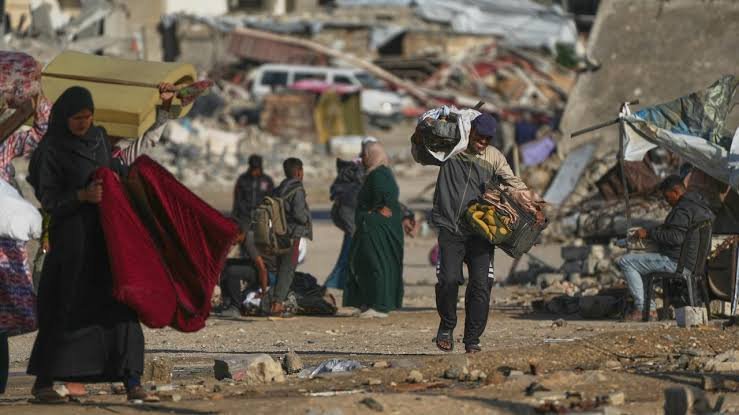
US Special Envoy for South and Central Asia Sergio Gor has called for increased international support for more than one million Rohingya refugees living in Bangladesh. Following a visit to the refugee camps in Cox’s Bazar, he said the prolonged humanitarian crisis cannot be addressed by the United States alone and requires stronger global cooperation.

US Envoy Sergio Gor Calls for Greater Global Support for Rohingya Refugees
US Special Envoy for South and Central Asia Sergio Gor has urged the international community to significantly increase humanitarian assistance for more than one million Rohingya refugees sheltering in Bangladesh.
During a visit to the world’s largest refugee settlement in Ukhiya, Cox’s Bazar, on Friday, Gor praised Bangladesh for hosting displaced Rohingya refugees for nearly a decade and said the burden should be shared more broadly by the international community.
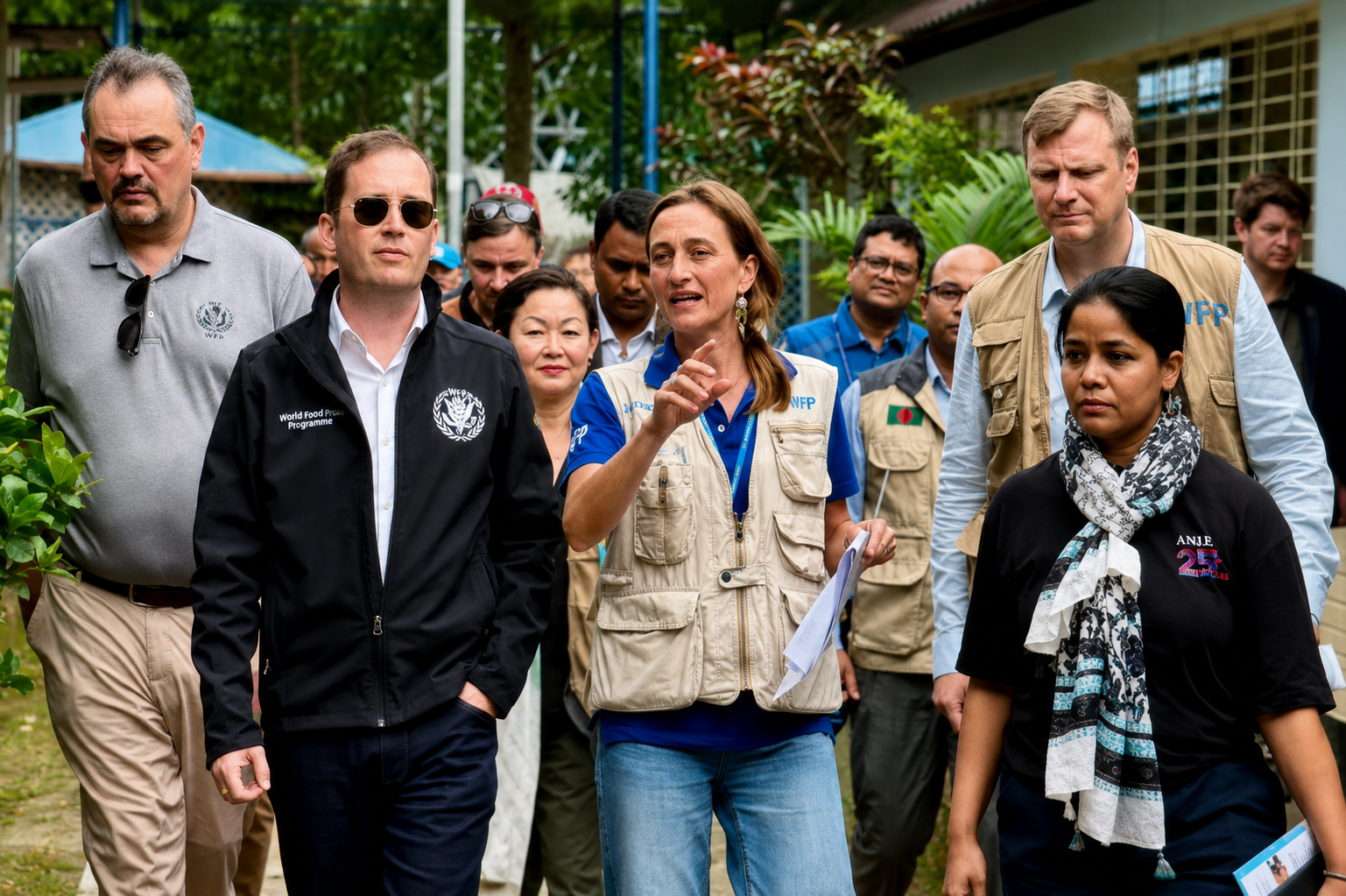
He was accompanied by US Ambassador to Bangladesh Brent T. Christensen and a high-level American delegation. The delegation visited World Food Programme (WFP) food assistance operations and observed humanitarian services, including health care, education and protection activities.
The team toured Camp-4, Expanded Camp-8 West and Camp-6, where they met Rohingya refugees and assessed their living conditions.
Speaking after the visit, Sergio Gor said the United States has long been one of the largest humanitarian donors for the Rohingya response, but stressed that other countries and development partners must also increase their contributions to sustain ongoing relief efforts.
The delegation also met officials from the Refugee Relief and Repatriation Commission (RRRC) to discuss humanitarian operations, camp security, education, healthcare and prospects for the safe, voluntary and dignified repatriation of Rohingya refugees to Myanmar.
Humanitarian agencies say substantial funding remains essential to support both Rohingya refugees and host communities in Cox’s Bazar and Bhasan Char. However, declining international funding has placed food assistance, nutrition, healthcare, education and protection programmes under growing pressure.
The United Nations and its partners have repeatedly warned that inadequate funding could worsen malnutrition, child labour, child marriage, trafficking and other protection risks.
Experts believe that with conditions in Myanmar still unsuitable for the safe and voluntary return of refugees, stronger international financial assistance and diplomatic engagement remain essential to achieving a sustainable solution to the Rohingya crisis.