Trump Signals New Iran Talks but Future of Diplomacy Remains Uncertain
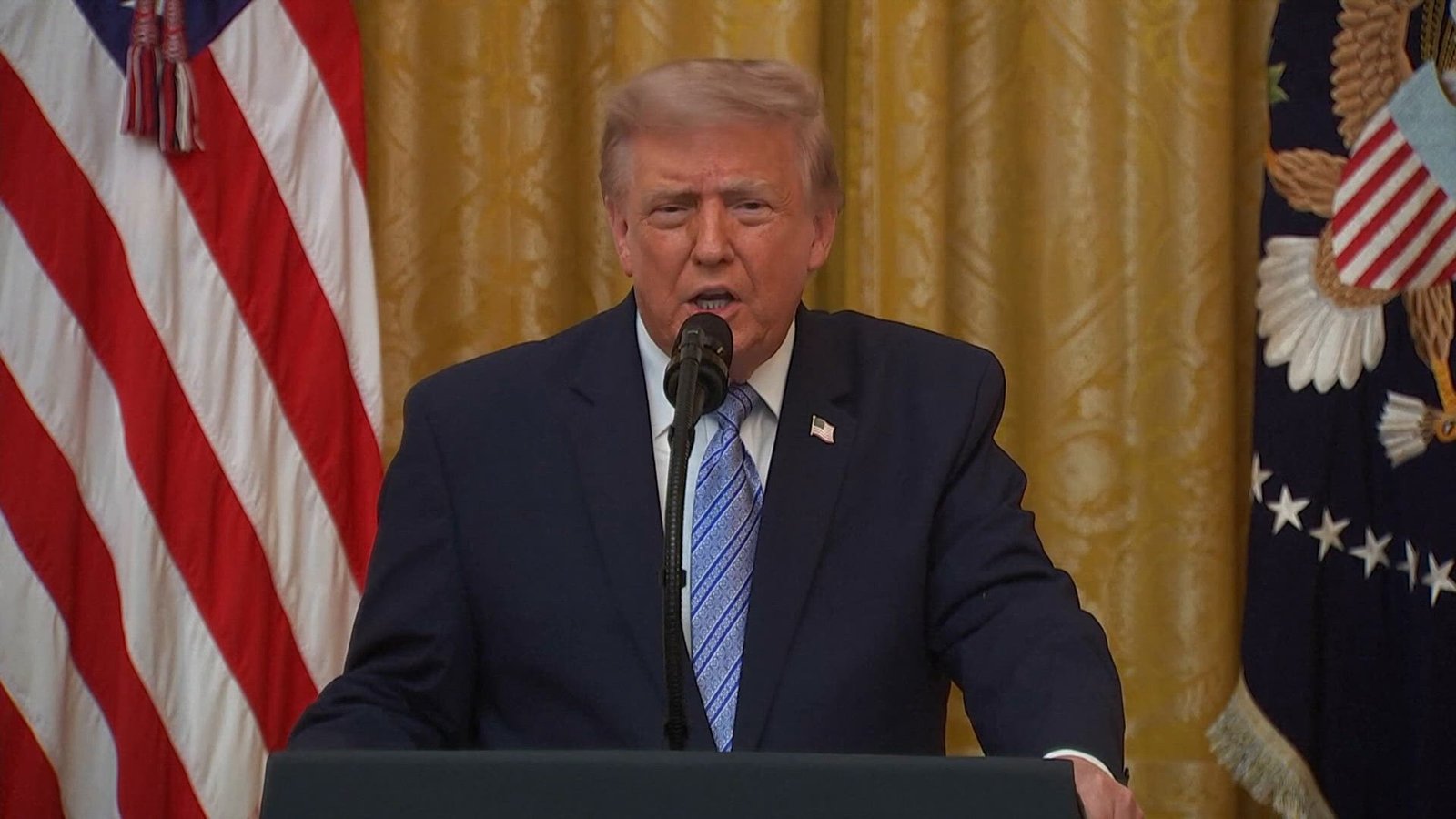
U.S. President Donald Trump said on Monday that there is "a good chance" a new round of diplomacy with Iran could produce a breakthrough, while warning that American airstrikes would quickly resume if negotiations fail

Trump Signals New Iran Talks but Future of Diplomacy Remains Uncertain
U.S. President Donald Trump said on Monday that there is "a good chance" a new round of diplomacy with Iran could produce a breakthrough, while warning that American airstrikes would quickly resume if negotiations fail.
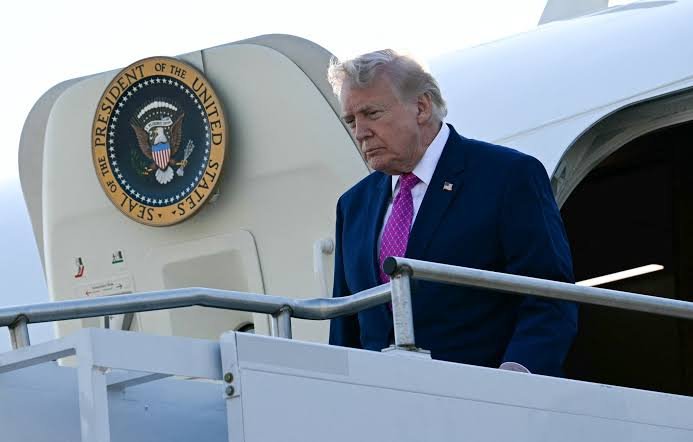
Speaking aboard Air Force One, Trump claimed Iran had requested talks after suffering heavy losses during two weeks of U.S. military operations. "We're talking right now. Iran took a beating over the last 14 days, and they asked us very nicely, 'Please stop, let's meet,'" he told reporters. Tehran immediately rejected the claim, insisting it had not requested negotiations or offered any new concessions.
The renewed diplomatic push comes after weeks of military escalation failed to achieve Washington's key objectives, particularly restoring freedom of navigation through the Strait of Hormuz. Iranian authorities continue to maintain control measures in the strategic waterway, while commercial shipping remains under pressure amid ongoing security concerns.
Iranian Foreign Ministry spokesman Esmail Baghaei said Tehran would communicate with Washington only through intermediaries, with Qatar and Pakistan continuing their mediation efforts. The two countries are attempting to revive the June 17 cease-fire agreement, which collapsed earlier this month after disputes over the implementation of navigation rules in the Strait of Hormuz.
Despite the temporary pause in U.S. bombing operations, regional tensions remain high. Saudi Arabia reported intercepting several drones launched by Iranian-backed Iraqi militias, while Israel and Jordan also reported drone attacks.
Trump has argued that increased military pressure forced Iran back to the negotiating table. However, analysts question whether diplomacy can succeed after months of failed negotiations and military confrontation. Former U.S. officials suggest Tehran may believe Trump's leverage is diminishing ahead of the November midterm elections.
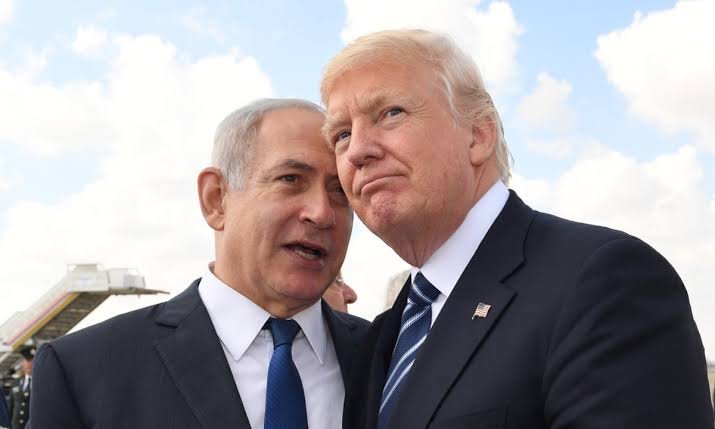
The diplomatic effort also faces political challenges as Israeli Prime Minister Benjamin Netanyahu is expected to urge Trump to continue military operations during their White House meeting. At the same time, rising oil prices and concerns over global energy markets have increased domestic political pressure on the U.S. administration.
Meanwhile, U.S. and British officials are preparing a high-level meeting in London to discuss forming an international coalition to protect commercial shipping in the Strait of Hormuz, following continued reports of Iranian harassment of merchant vessels despite the pause in American airstrikes.
Western officials increasingly believe that restoring secure maritime navigation in the Gulf will require broader international cooperation rather than unilateral military action.