U.S. Strikes Paused as Iran Talks Resume; Strait of Hormuz Tensions Continue
The Middle East has entered another critical phase as the United States temporarily pauses military strikes against Iran to allow renewed diplomatic negotiations. While President Donald Trump has signaled a willingness to pursue peace, tensions remain high over the Strait of Hormuz, regional security, and Iran's continued support for allied groups. With Israel closely monitoring developments and global oil markets reacting to every move, the coming days could prove decisive for the future of the region.

U.S. Strikes Paused as Iran Talks Resume; Strait of Hormuz Tensions Continue
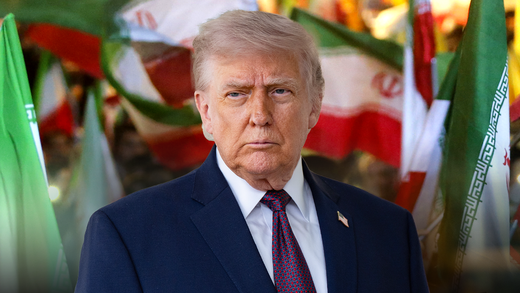
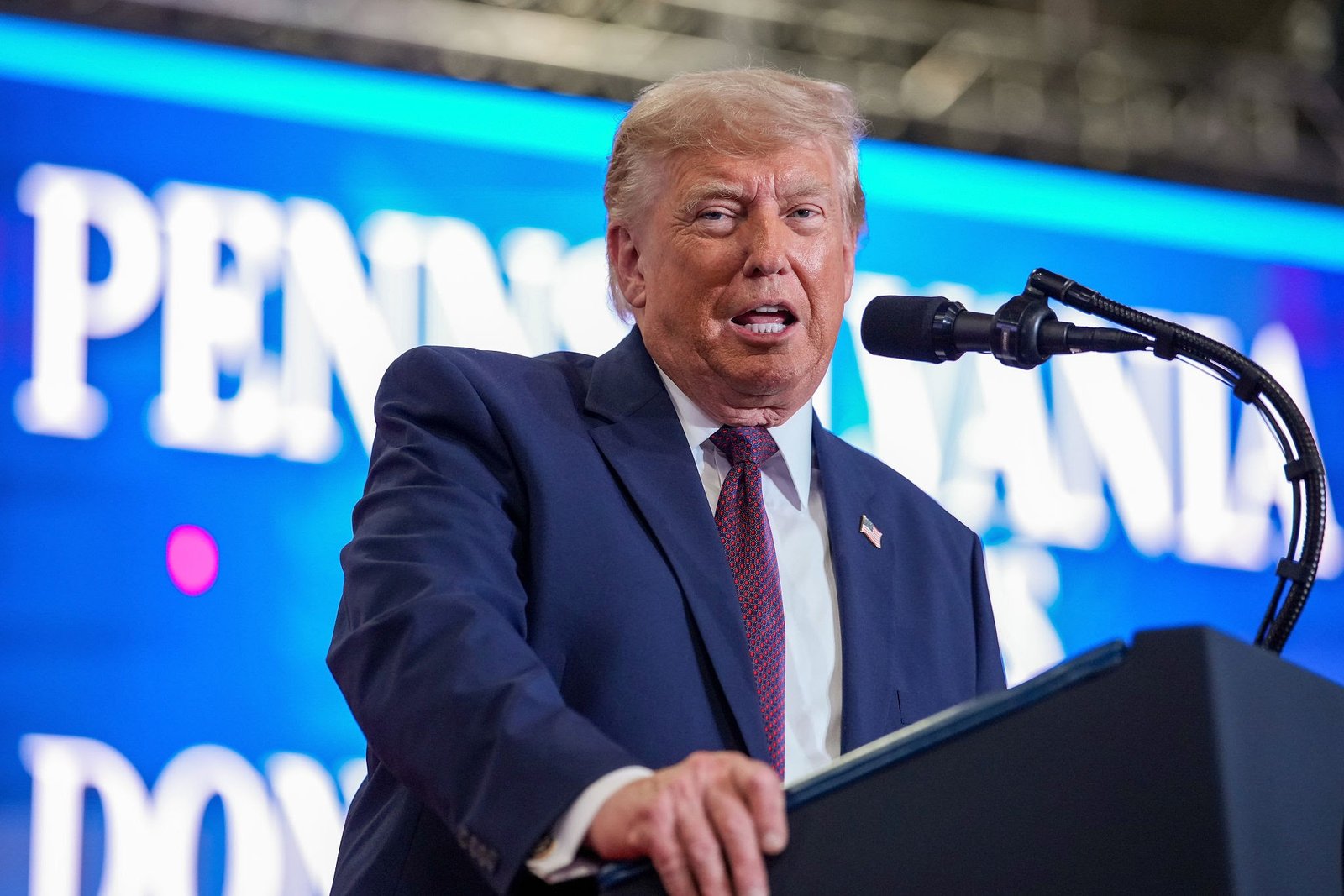
The conflict between the United States and Iran has entered a critical diplomatic phase after President Donald Trump temporarily paused U.S. military strikes against Iran, allowing negotiations to resume. The decision follows nearly two weeks of continuous airstrikes and raises hopes for reducing tensions across the Middle East.
Diplomatic Pause
According to officials, U.S. and Iranian negotiators have restarted both technical and political discussions. The temporary suspension of military operations is expected to last for two days while both sides explore possibilities for a diplomatic solution.
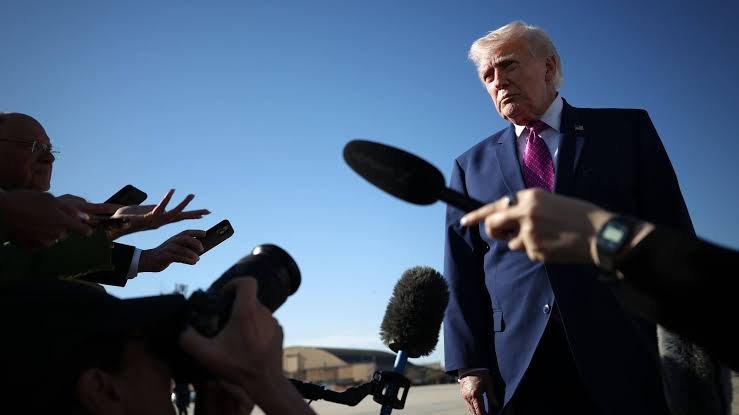
The White House stated that although military operations are currently on hold, President Trump remains prepared to authorize additional strikes if negotiations fail or if Iran escalates the conflict.
Netanyahu's Washington Visit
Israeli Prime Minister Benjamin Netanyahu is scheduled to visit Washington this week. Analysts believe the meeting could play a major role in determining whether Israel participates in any future military action against Iran.
Israel continues to monitor Iran's military activities closely, particularly concerning Hezbollah and regional security.
Strait of Hormuz Remains Strategic
Although direct fighting around the Strait of Hormuz has decreased, tensions remain high throughout the Middle East. The Strait of Hormuz is one of the world's most important oil shipping routes, carrying a significant share of global crude oil exports.
Any disruption in the area could have major consequences for international energy markets.
Iran Accuses Ukraine
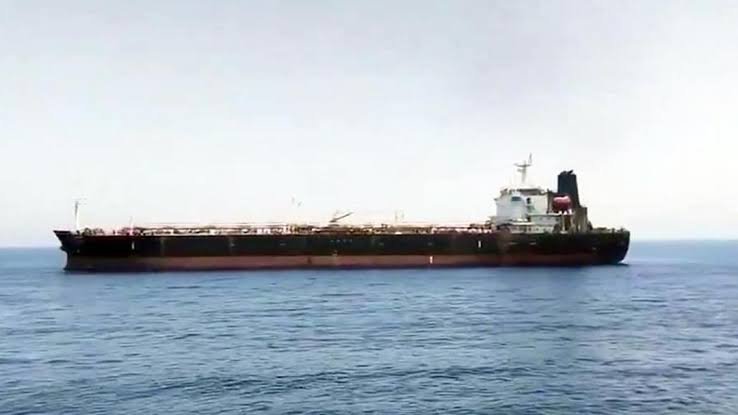
Iranian Foreign Minister Abbas Araqchi accused Ukraine of attacking an Iranian commercial vessel in the Caspian Sea, claiming the attack killed one sailor. Tehran warned that the incident "cannot go unanswered" and issued a second official warning to Ukraine.
Ukraine has not publicly confirmed Iran's allegations.
Iran's Oil Exports Continue
Iran's Oil Minister Mohsen Paknejad claimed that the country earned approximately $11.5 billion from oil exports during the conflict and an additional $6.5 billion during the ceasefire period.
These claims have not been independently verified.
Support for Hezbollah
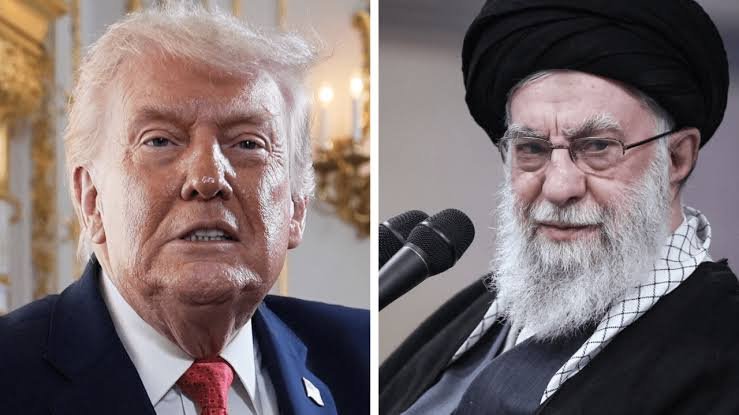
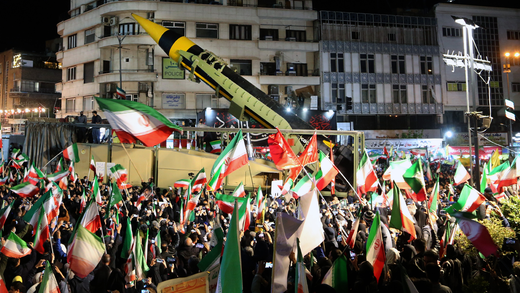
Iranian leadership reaffirmed its support for Hezbollah. A statement attributed to Iran's leadership declared that there is no alternative to "jihad and resistance," signaling continued backing for the Lebanese militant group despite international pressure.
Kuwait and United Kingdom Discuss Regional Security
Kuwait's Emir Sheikh Meshal Al-Ahmad Al-Jaber Al-Sabah held a telephone conversation with the U.K. leadership to discuss bilateral relations and the evolving security situation in the Middle East.
Oil Prices Decline
Global oil prices fell by more than 5% after reports that the United States had paused military operations against Iran. Investors viewed the diplomatic developments as reducing the immediate risk of supply disruptions.