US Gradually Expands the Scope of Its Attacks on Iran
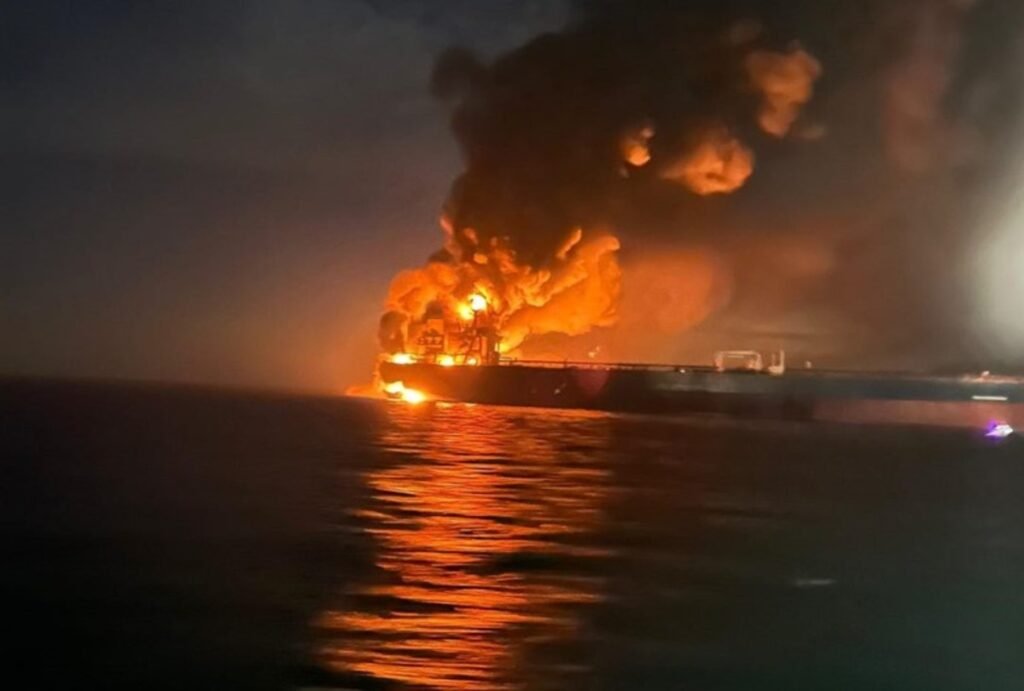
The United States has gradually expanded the scope of its military campaign against Iran during two weeks of sustained airstrikes that increasingly resemble the opening phase of the war

US Gradually Expands the Scope of Its Attacks on Iran
The United States has gradually expanded the scope of its military campaign against Iran during two weeks of sustained airstrikes that increasingly resemble the opening phase of the war.
A brief ceasefire was reached in June after the signing of an interim agreement aimed at ending the conflict. However, fighting resumed when a battle for control of the Strait of Hormuz erupted, shattering the truce and bringing the two countries back to the brink of a full-scale war across the Middle East.
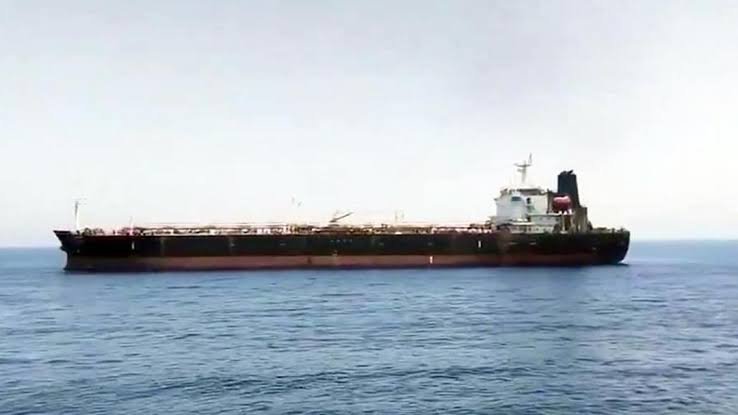
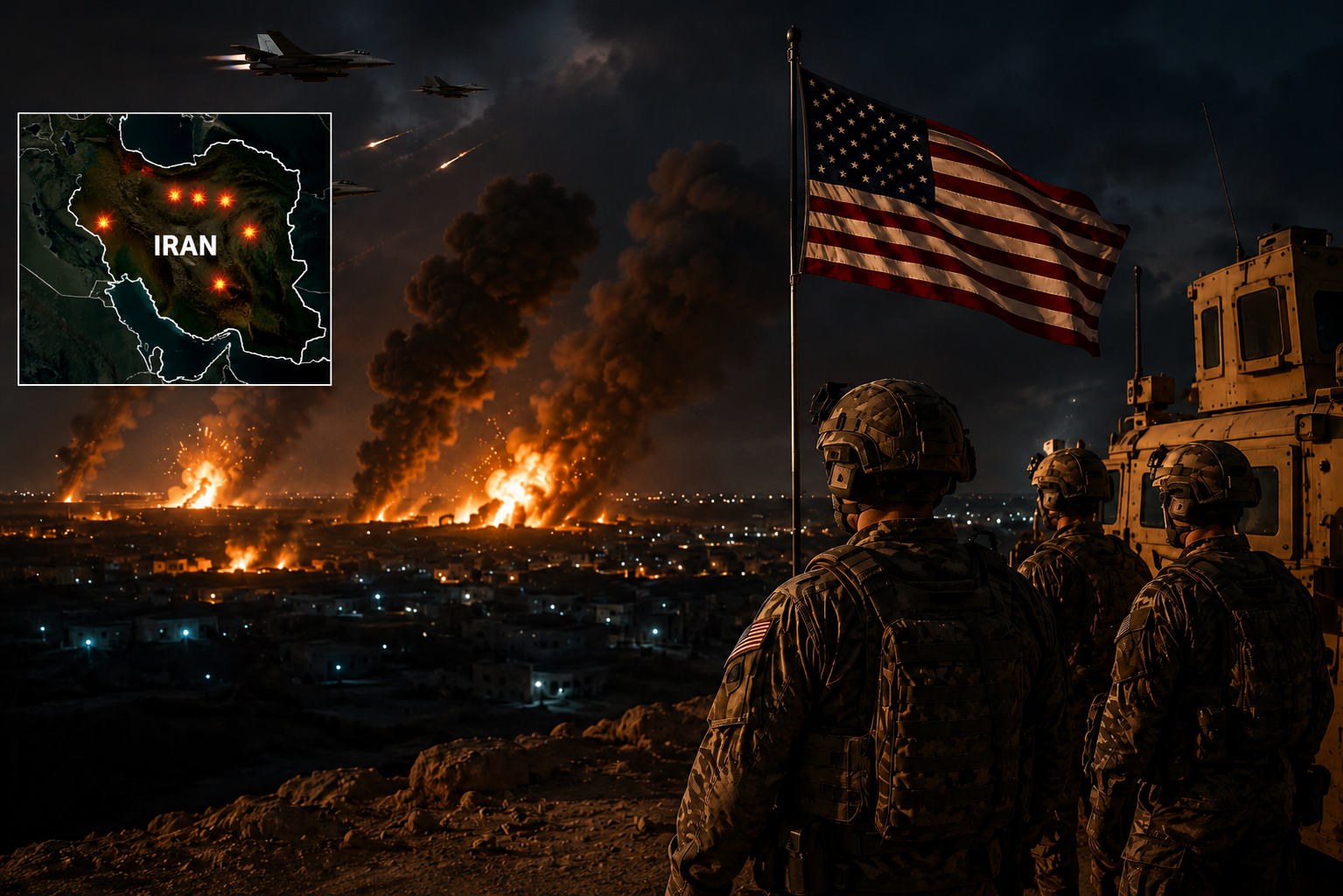
Initially, U.S. strikes focused on Iran’s navy and coastal defence systems, aiming to reduce Tehran’s ability to attack shipping in the Strait of Hormuz, one of the world’s most critical energy corridors. In recent days, however, the campaign has broadened to include bridges, transportation infrastructure, military facilities deep inside Iran, and targets on the outskirts of the capital, Tehran.
Despite the growing intensity, the current campaign remains less extensive than the war’s opening phase, which began on February 28. During the first 100 hours of the conflict, the United States and Israel struck hundreds of military targets and killed several of Iran’s top military and political leaders, including Supreme Leader Ayatollah Ali Khamenei.
According to Iran’s Health Ministry, 3,434 people have been killed since the war began, including 55 during the latest escalation. The recent U.S. strikes have temporarily disrupted transportation and communications across parts of Iran and damaged water infrastructure serving thousands of civilians.
The U.S. military says its objective is to weaken Iran’s ability to threaten commercial shipping in the Strait of Hormuz. However, Iran has shown no signs of backing down.
Iran has intensified attacks on vessels transiting the strait and has also targeted Gulf countries hosting U.S. military bases. Those attacks have reportedly killed at least four American service members and damaged critical infrastructure. Israel has not been targeted in this latest round of fighting and has not participated in the renewed U.S. strikes.
Initial Focus: Iran’s Coastline
Shortly after the interim ceasefire came into effect, Iran resumed attacks on shipping in the Strait of Hormuz, prompting a U.S. military response. On July 13, President Donald Trump reinstated a U.S. blockade on Iranian ports.
During the first two days of the renewed campaign, the U.S. military said it struck dozens of targets, including:
Air defence systems
Coastal radar sites
Missile and drone production facilities
Missile launchers
Fast attack boats
The operation also marked the first use of one-way attack sea drones by U.S. forces.
The strikes concentrated on the coastal provinces of Khuzestan, Bushehr, and Hormozgan, particularly the strategic port city of Bandar Abbas. Additional attacks targeted the Gulf islands of Qeshm, Abu Musa, and Kish, as well as naval bases in Sistan and Baluchistan along the Gulf of Oman.
Infrastructure Becomes a Primary Target
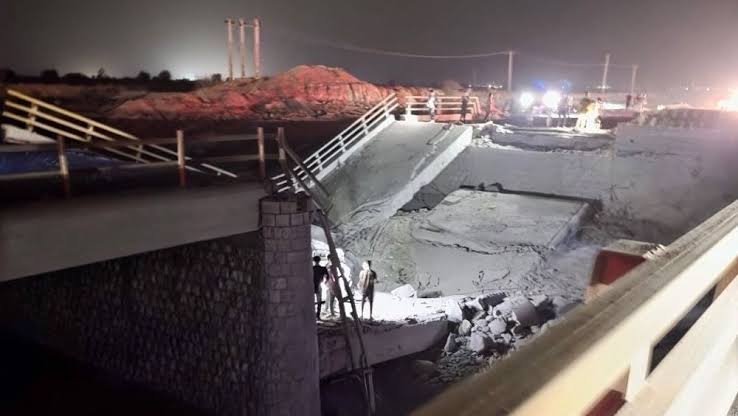
Over two days of strikes, at least six bridges and one tunnel around Bandar Abbas were damaged. The apparent objective was to sever transport links connecting Islamic Revolutionary Guard Corps (IRGC) bases with the rest of the country. A major railway junction west of the city was also struck.
Residents shared images showing severe traffic congestion following the attacks.
Over the past two weeks, U.S. strikes have also targeted the offices of Iran’s radio and communications regulatory authority in Bandar Abbas. A maritime communications tower was repeatedly attacked and completely destroyed on July 17, while another communications tower roughly 120 kilometres down the coast was also hit.
Communications between the mainland and the islands of Kharg and Qeshm were temporarily disrupted, although Iranian authorities later announced that services had been restored.
A fishmeal production factory on Qeshm Island was also damaged.
Power outages were reported in parts of Khuzestan Province after strikes there. Other infrastructure was also affected, including an agricultural water pumping station, where one person was killed.
On July 18, a strike reportedly hit a desalination plant in Jask, destroying pumping stations and disrupting water supplies for around 10,000 residents, according to Iranian officials.
A separate U.S. strike on a border crossing with Iraq, where hundreds of pilgrims had gathered, reportedly killed two people, according to Iranian state media.
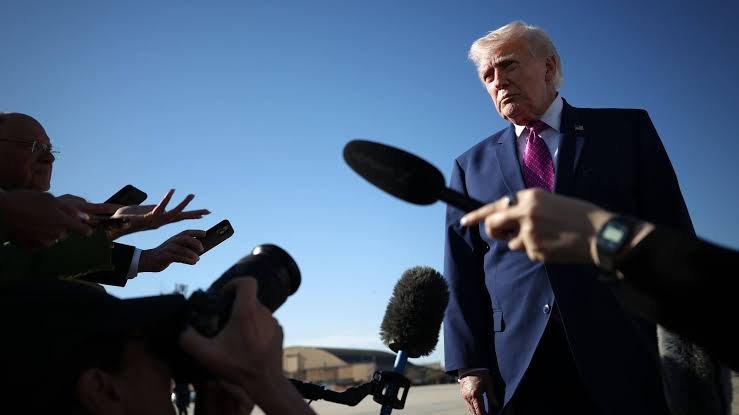
The U.S. military has described these attacks as targeting Iran’s "logistics infrastructure." President Trump warned that every Iranian attack in the Strait of Hormuz would be met with strikes on infrastructure such as bridges or power plants.
Iranian media, meanwhile, reported that damaged roads and tunnels were quickly repaired or bypassed through alternative routes.
Strikes Extend into Iran’s Interior
By the third day of the renewed conflict, U.S. airstrikes had expanded beyond the coast to include military installations deeper inside Iran. Targets included:
Islamic Revolutionary Guard Corps (IRGC) bases
Military installations
Missile production facilities
Airfields used by the Revolutionary Guard
A strike on a military barracks in Iranshahr, in southeastern Iran, reportedly killed seven soldiers and wounded twelve others, according to Iranian officials. The facility was believed to have supported drone attacks against U.S. bases in the Gulf region.
At least two strikes also hit IRGC Aerospace Force installations in Khuzestan Province.
So far, the Tehran area has been struck only twice during the renewed conflict, in contrast to the war’s opening phase, when hundreds of strikes—many carried out by Israel—targeted the capital.
On July 19, U.S. forces struck the Khojir military complex near Tehran, one of Iran’s principal missile production centres. A separate missile site outside the capital was later targeted.