US Expands Strikes on Iran to Bridges and Airport as Conflict Escalates
The United States broadened its renewed military campaign against Iran on Friday, targeting bridges and an airport, while Tehran responded by launching strikes against U.S. military facilities across the Middle East

US Expands Strikes on Iran to Bridges and Airport as Conflict Escalates
The United States broadened its renewed military campaign against Iran on Friday, targeting bridges and an airport, while Tehran responded by launching strikes against U.S. military facilities across the Middle East.
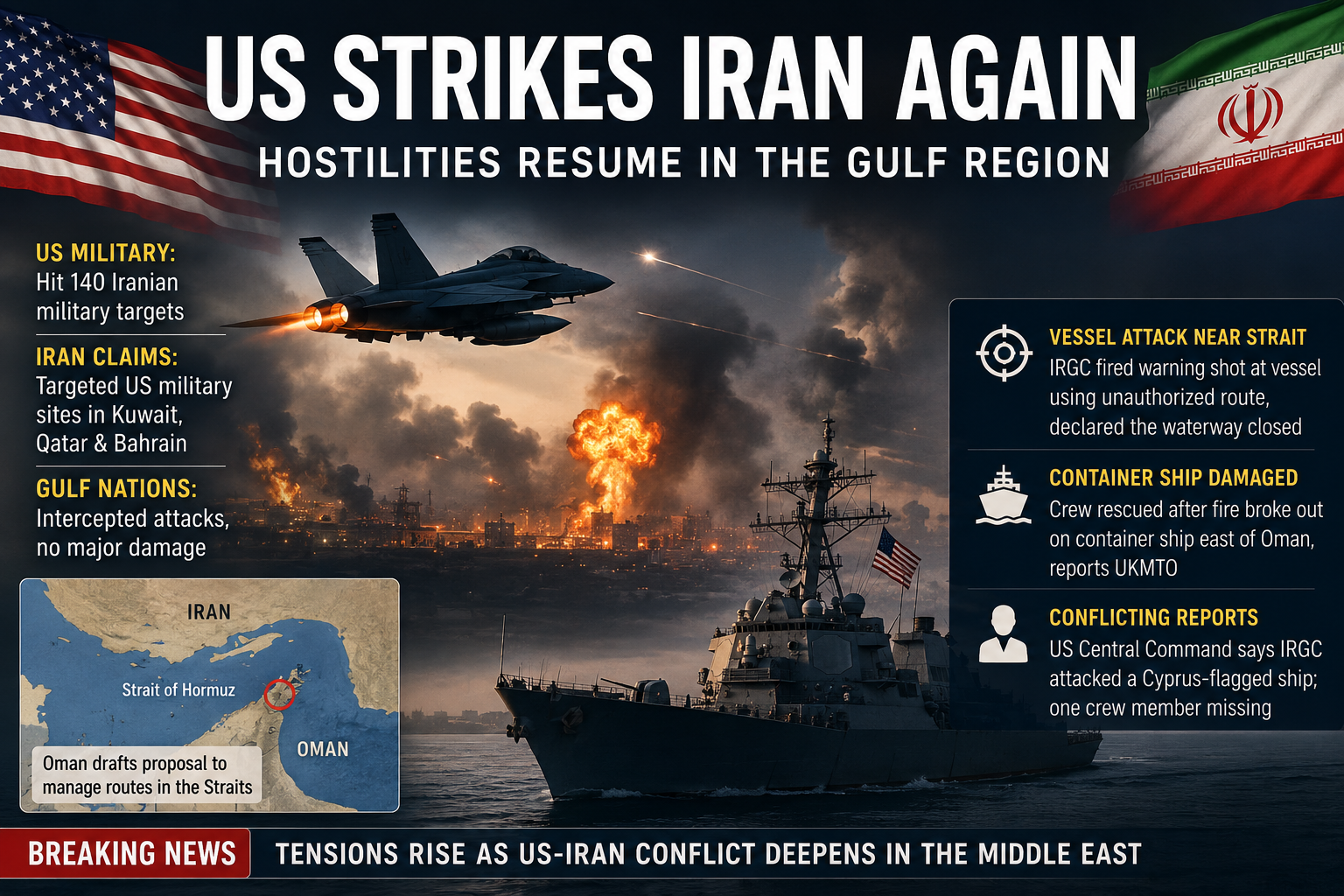
Iran said it had attacked U.S. bases in Bahrain, Kuwait and Syria. Meanwhile, in the Strait of Hormuz, U.S. Marines boarded an oil tanker as part of Washington's maritime blockade, while another tanker was reportedly struck by a projectile.
The latest developments come after last week's ceasefire collapsed, with both sides steadily escalating the conflict and raising fears of a return to full-scale war.
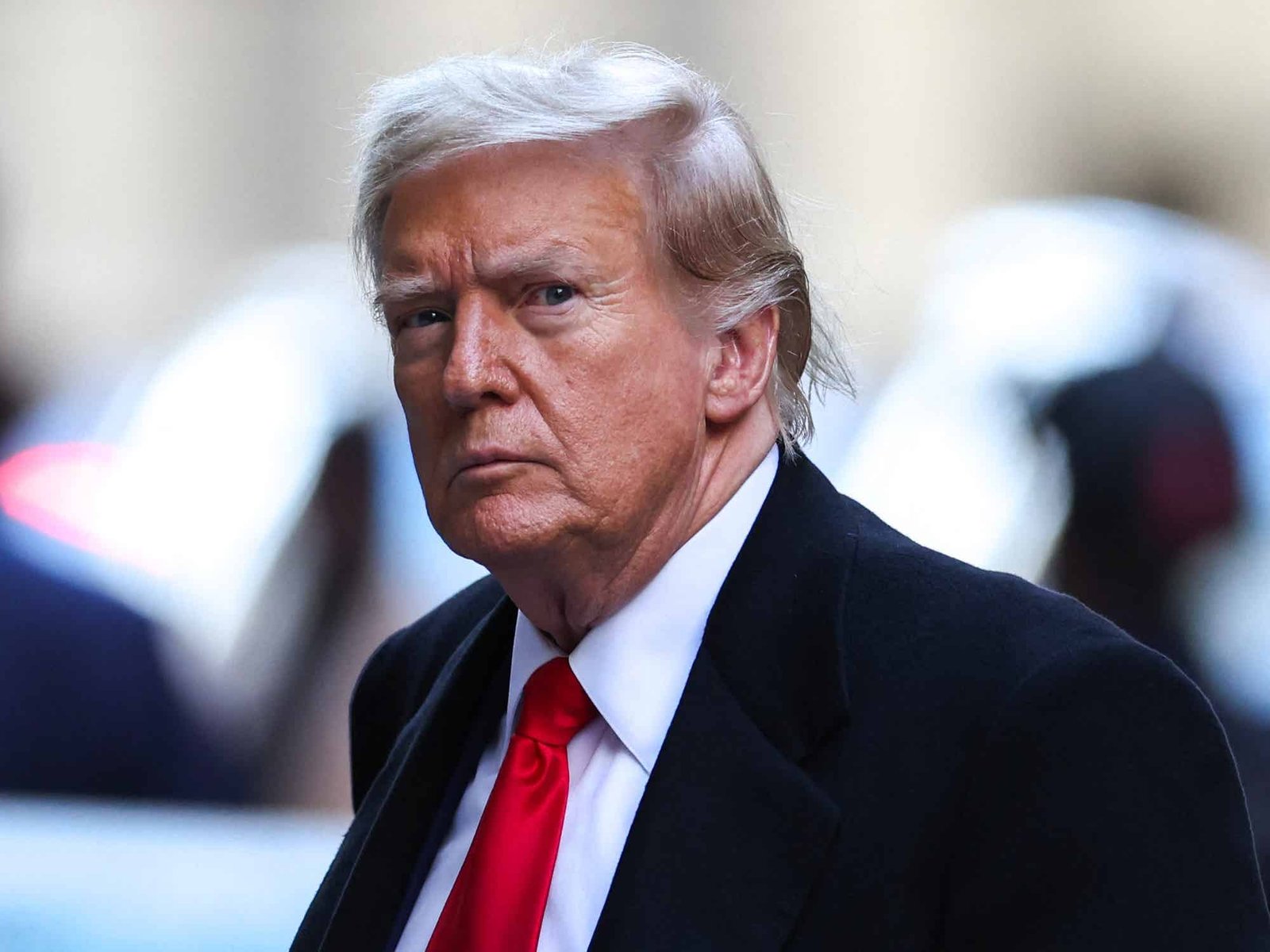
U.S. President Donald Trump has threatened large-scale airstrikes against Iran's infrastructure and has not ruled out a possible ground assault on Iran's coastline or islands. U.S. officials say the strikes in southern Iran are intended, in part, to provide Trump with broader military options.
Analysts warn, however, that expanding attacks on Iranian infrastructure could provoke Tehran into retaliating against neighboring countries' infrastructure or encouraging its Houthi allies in Yemen to intensify attacks on Red Sea shipping.
For the first time in more than a week, U.S. Central Command (CENTCOM) said its latest strikes targeted "military logistics infrastructure," in addition to coastal surveillance systems, air defense sites, and maritime capabilities.
Bridges and Airport Hit in Southern Iran
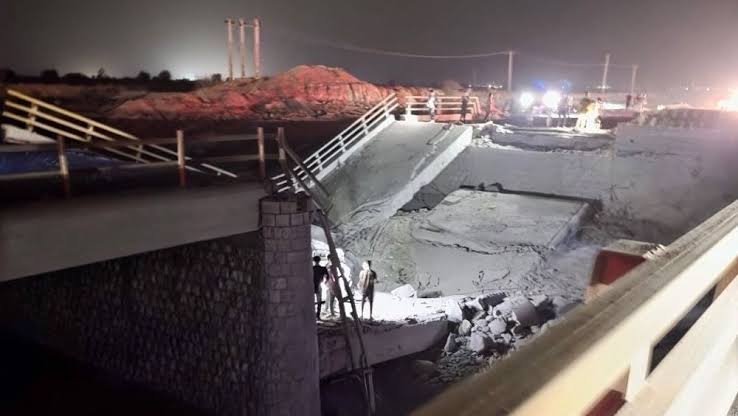
Iranian state media reported that at least five bridges in the country's south were struck. Seven people were reportedly killed in attacks on bridges in the southern port city of Bandar Khamir, where a railway station was also hit.
An airport in Iranshahr, near the Pakistan border, was also reportedly struck. Separate reports said a woman was killed and her child wounded in another attack in the port city of Bandar Abbas.
Reuters could not independently verify these reports.
Strait of Hormuz Tensions Deepen
Iran said it launched attacks on U.S. bases in Kuwait and Bahrain, as well as a U.S. radar station in Oman. Explosions were also heard in Doha, Qatar, where authorities said a child was injured by shrapnel.
Tehran also claimed it struck what it described as a U.S. special forces base at al-Tanf in Syria—the first reported Iranian attack on Syria during the current conflict. A Syrian military source said the strike landed near the base but caused no casualties or damage.
Energy Crisis Intensifies
The interim ceasefire agreement collapsed on July 7 after Iran attacked ships in the Strait of Hormuz and the United States responded with airstrikes.
The renewed fighting has once again severely disrupted traffic through the world's most important energy shipping route, pushing global oil prices to around $85 per barrel this week.
Iran has declared the Strait of Hormuz closed, while Washington has reimposed its blockade of Iranian ports.
In the latest maritime operation, the U.S. military said it boarded the tanker Wen Yao to enforce the blockade, releasing photographs of U.S. Marines descending from helicopters onto the vessel.
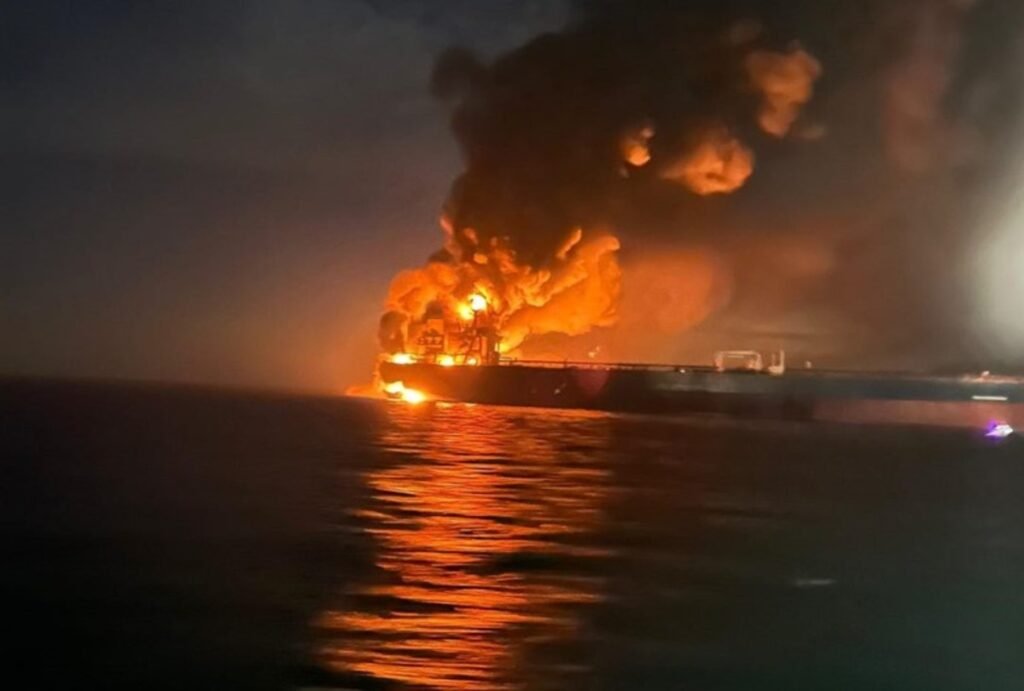
Meanwhile, the British maritime security agency UKMTO reported that a tanker was struck by a projectile off the coast of Oman on Thursday.
Risk of Wider Regional Conflict
Although both sides have exchanged daily strikes, they had largely avoided targeting civilian infrastructure and major economic assets until now. The expansion of U.S. strikes to infrastructure marks a significant escalation.
Iran has warned that if the United States attacks its civilian infrastructure, it will retaliate by targeting civilian infrastructure across the Middle East.
Tehran has also indicated it could direct its Houthi allies in Yemen to close the Bab al-Mandeb Strait, another critical global shipping route. Such a move could further disrupt Middle Eastern oil exports and deepen the global energy crisis.
In a televised speech on Thursday night focused mainly on election security, President Trump said:
"We are winning big in Iran, and you will see the fruits of that labour very, very shortly."