Middle East crisis may cost global economy $1 trillion as oil giants reap ‘obscene’ profits
The ongoing conflict in the Middle East—particularly the disruption linked to the Strait of Hormuz—could inflict a staggering $1 trillion economic blow on the global economy, according to analysis highlighted by The Guardian

Middle East crisis may cost global economy $1 trillion as oil giants reap ‘obscene’ profits
The Guardian
Goldman raises oil price forecasts as Iran war deadlock continues; Shell buying Canada's ARC in $13.6bn deal - as it happened
Yesterday
The Guardian
The Guardian
$30m an hour: big oil reaping huge war windfall from consumers, analysis finds
BP profits more than double as oil and gas prices soar in Iran war
April 14
Today
Headline:
The ongoing conflict in the Middle East—particularly the disruption linked to the Strait of Hormuz—could inflict a staggering $1 trillion economic blow on the global economy, according to analysis highlighted by The Guardian. At the same time, major oil and gas corporations are being accused of generating “obscene” windfall profits from the crisis.
Global economic shock
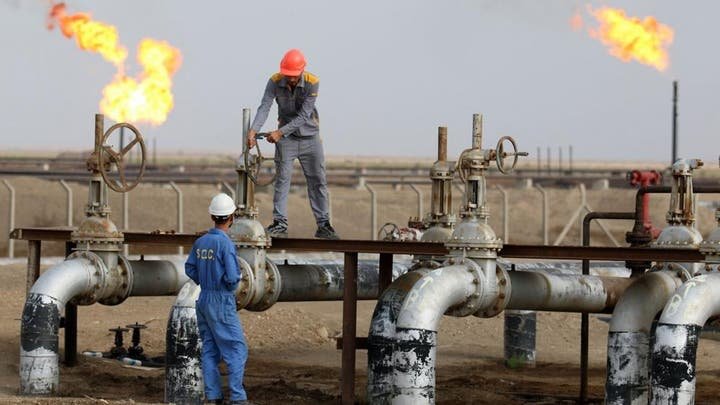
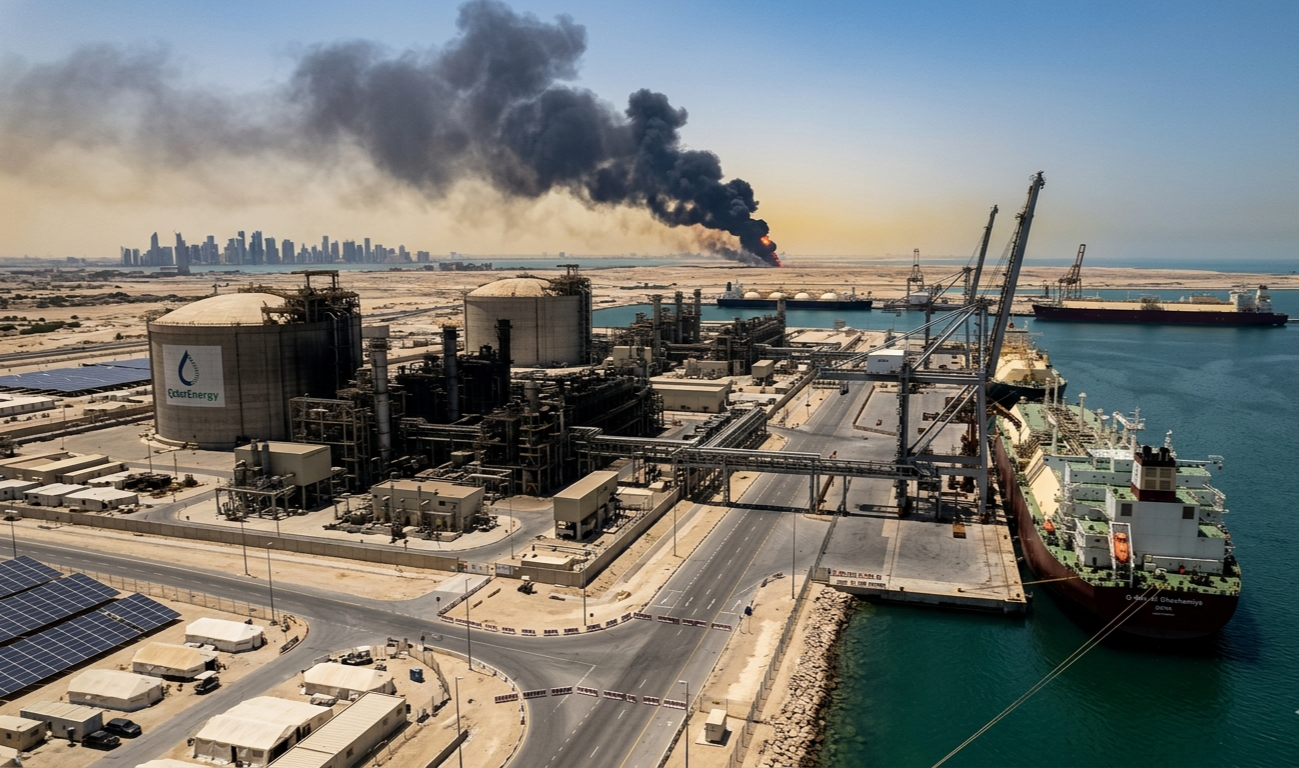
The crisis has severely disrupted one of the world’s most critical energy routes. Roughly 20% of global oil and gas flows through the Strait of Hormuz, and interruptions have triggered one of the largest supply shocks in modern history.
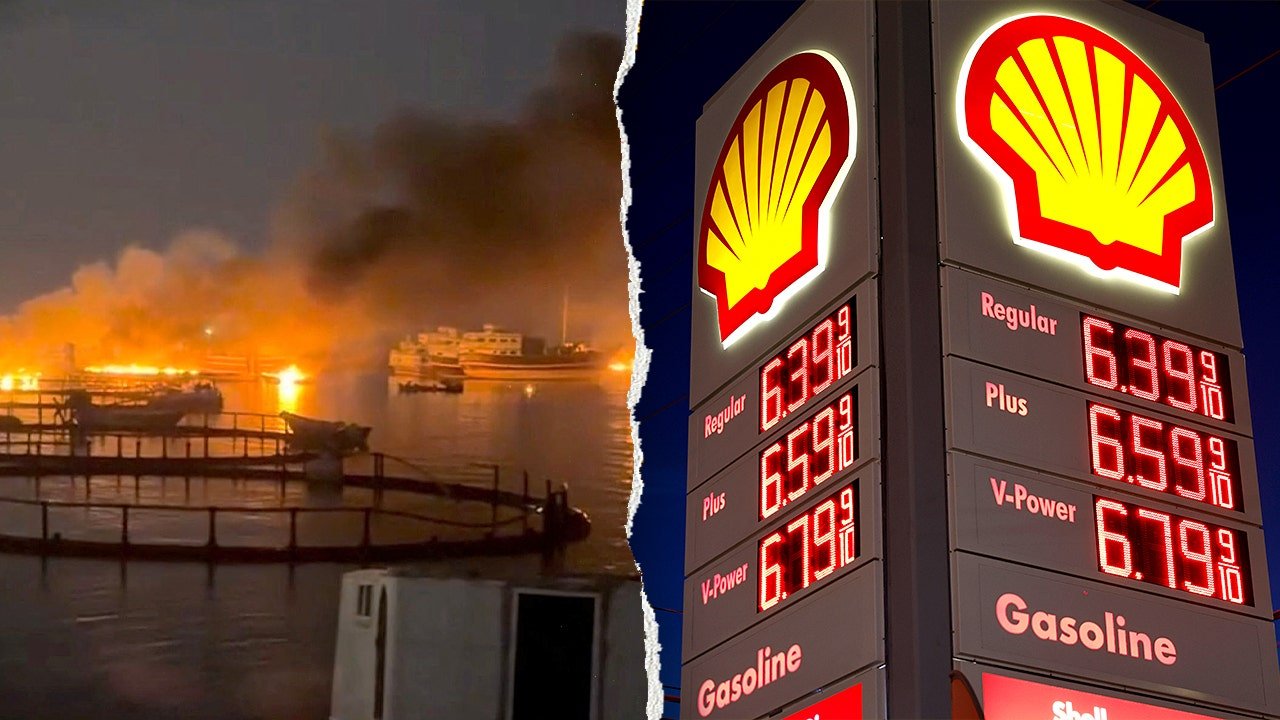
Oil prices surged above $100–$120 per barrel, driving up transport, food, and energy costs worldwide.
Fertiliser, gas, and commodity markets have also been hit, raising fears of global inflation and recession risks.
Analysts warn the cumulative economic damage—through inflation, trade disruption, and slowed growth—could reach $1 trillion globally (Guardian analysis summary).
This makes the crisis comparable to or even worse than past oil shocks, with developing economies expected to be hit hardest.
Oil firms’ ‘war windfall’
While consumers face soaring costs, fossil fuel companies are benefiting from volatile markets:
Oil majors are reportedly earning tens of millions of dollars per hour from elevated prices.
Companies like BP have seen profits more than double during the conflict due to high prices and trading gains.
Trading divisions have capitalized on market volatility, turning geopolitical instability into record earnings.
Campaigners and analysts cited by the Guardian describe these gains as “obscene profits,” arguing they come at the expense of households struggling with rising fuel and food bills.
Political backlash and policy pressure
The report highlights growing global pressure for policy intervention:
Climate groups and economists are calling for windfall taxes on excess oil profits.
There are demands to redirect these funds toward energy subsidies, climate transition, and support for vulnerable populations.
Critics argue fossil fuel firms are exploiting crises while delaying investment in cleaner energy.
Broader implications
The Guardian analysis suggests the crisis is not just an energy shock but a systemic risk:
Energy security concerns are forcing countries to seek alternative supply routes.
Food security risks are rising due to fertiliser price spikes.
Long-term effects could include stagflation and geopolitical realignment in energy markets.
Bottom line
The Middle East conflict is shaping up as a dual crisis:
Massive global economic damage (up to $1 trillion)
Simultaneous record profits for oil companies
This contrast is fueling political tension worldwide, with governments now under pressure to balance energy security, economic stability, and fairness in the distribution of crisis-driven gains.