Oil Jumps as Iran Rejects Trump’s Plan to Escort Stranded Ships
Oil prices are once again surging—not because of a sudden shortage, but because of a growing geopolitical deadlock that markets increasingly believe will not be resolved anytime soon. The latest spike came as Iran resisted a U.S. proposal, led by Donald Trump, to help escort and free commercial ships stranded in the Strait of Hormuz—a narrow waterway that carries roughly a fifth of the world’s oil supply

Oil Jumps as Iran Rejects Trump’s Plan to Escort Stranded Ships
Oil prices are once again surging—not because of a sudden shortage, but because of a growing geopolitical deadlock that markets increasingly believe will not be resolved anytime soon. The latest spike came as Iran resisted a U.S. proposal, led by Donald Trump, to help escort and free commercial ships stranded in the Strait of Hormuz—a narrow waterway that carries roughly a fifth of the world’s oil supply.
At first glance, Washington’s offer—framed as a humanitarian effort to unblock shipping—might have been expected to calm markets. Instead, it had the opposite effect. Iran’s reluctance to accept U.S. involvement signaled that the confrontation is not merely about logistics, but about control, sovereignty, and leverage in a broader conflict. Investors interpreted that resistance as a sign that disruptions to oil flows could persist or even worsen.
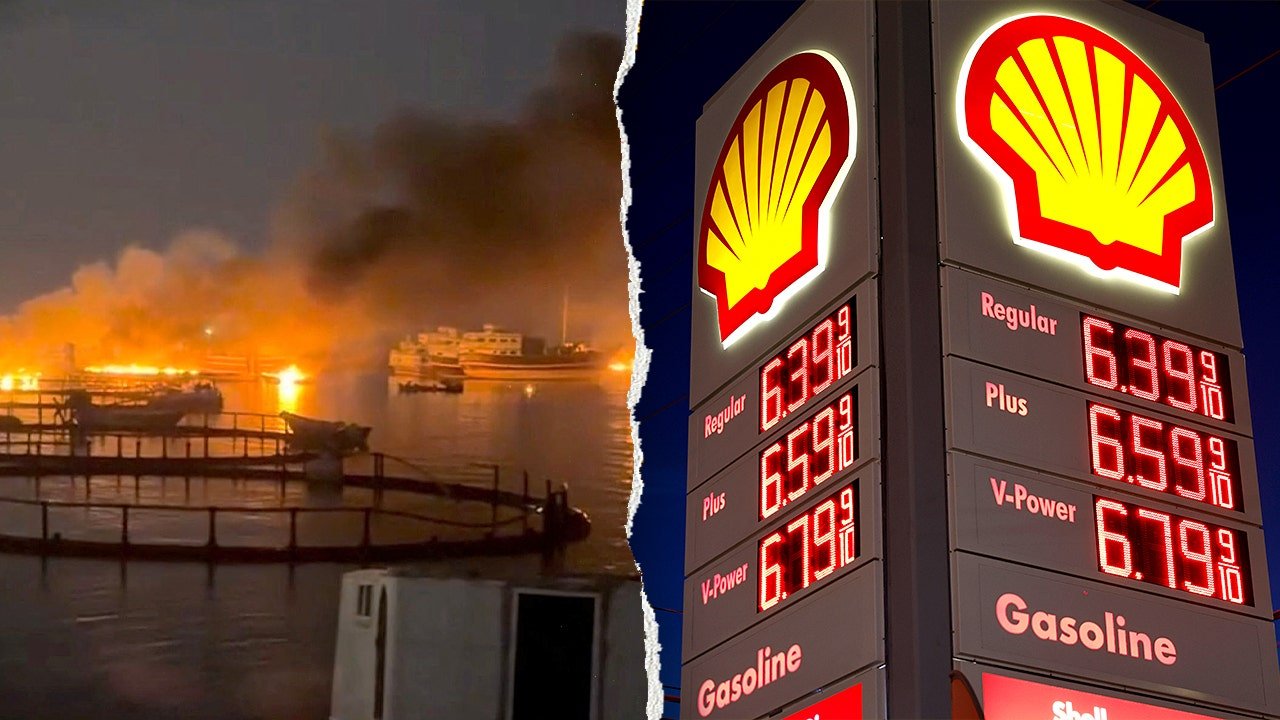
Recent reports indicate oil prices jumped by roughly 3–5% in a single day, with Brent crude rising above $110 per barrel as tensions escalated and uncertainty deepened. The market reaction underscores a key reality: in today’s energy system, perception of risk can be as powerful as actual supply loss. Even before a single additional barrel is removed from circulation, the fear of prolonged disruption is enough to drive prices sharply higher.
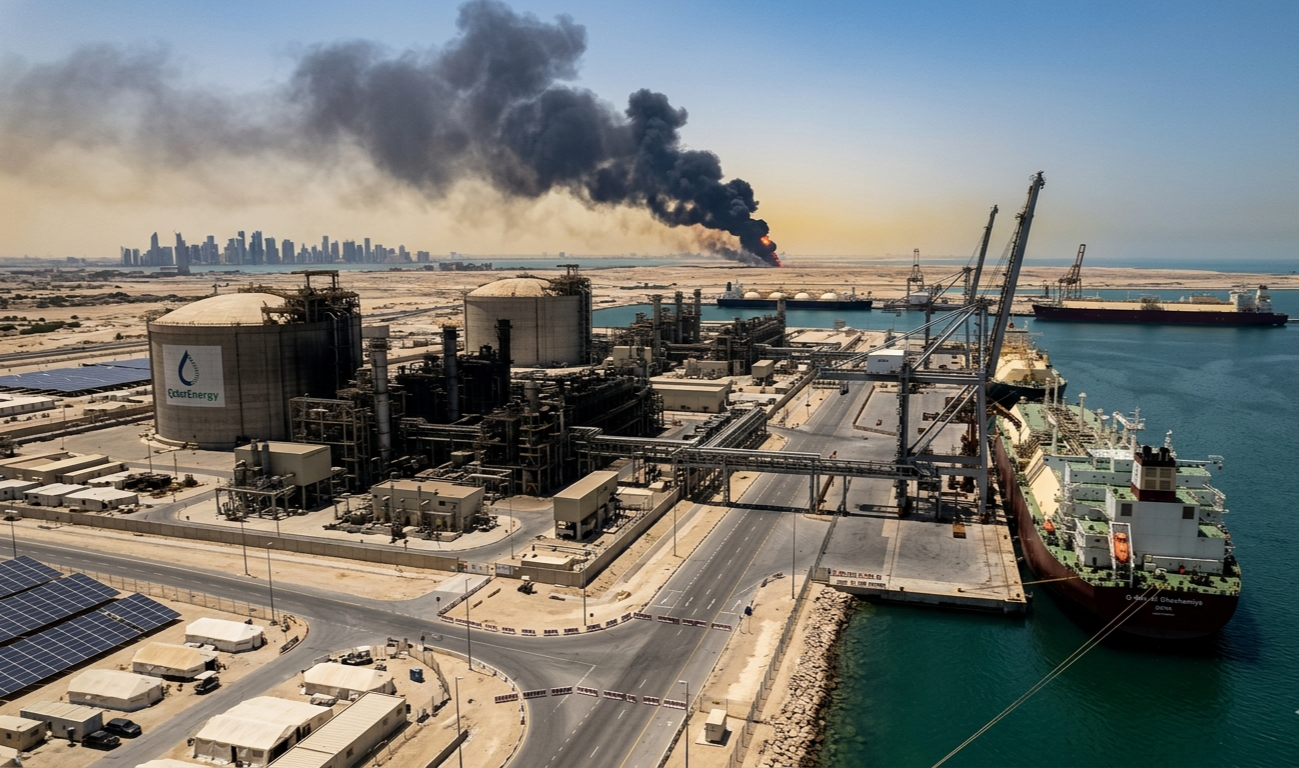
At the center of the crisis is the partial shutdown of the Strait of Hormuz. Since the outbreak of the 2026 Iran war, Iran has used the chokepoint as strategic leverage, restricting or threatening shipping in response to U.S. military actions and sanctions. This has already created what analysts describe as one of the largest energy supply disruptions in modern history.
Trump’s initiative—sometimes referred to as a naval escort mission—aims to restore “freedom of navigation.” But Iran views such a move as a potential violation of its control over the strait, and possibly a military escalation disguised as a humanitarian effort. Iranian officials have warned that any unauthorized presence could provoke retaliation, reinforcing a cycle of escalation rather than de-escalation.
For oil markets, the implications are profound:
No quick diplomatic breakthrough: Iran’s resistance suggests negotiations remain stalled.
Persistent supply uncertainty: Even limited disruptions in Hormuz can ripple across global markets.
Risk premium remains high: Traders are pricing in worst-case scenarios, including prolonged closure.
Analysts warn that even if some ships begin moving again under U.S. protection, the broader conflict—marked by mutual distrust and competing military postures—will keep volatility elevated. Some forecasts suggest prices could remain above $100 or climb significantly higher if the standoff drags on.
In essence, the oil surge reflects not just a shipping crisis, but a deeper geopolitical impasse. The United States is trying to project control over global trade routes, while Iran is leveraging geography to counter pressure. Until that fundamental clash is resolved, markets are likely to remain on edge—and oil prices, highly sensitive to every new signal, will continue to jump with each twist in the conflict.