US-UK Drug Deal Could Lead to 229,000 Excess Deaths in England, Analysis Suggests
A new analysis published in the British Medical Journal (BMJ) has warned that the UK-US pharmaceutical trade agreement could result in 229,000 excess deaths in England by 2036 if the National Health Service (NHS) is forced to divert funding from frontline healthcare to cover higher medicine costs

US-UK Drug Deal Could Lead to 229,000 Excess Deaths in England, Analysis Suggests
A new analysis published in the British Medical Journal (BMJ) has warned that the UK-US pharmaceutical trade agreement could result in 229,000 excess deaths in England by 2036 if the National Health Service (NHS) is forced to divert funding from frontline healthcare to cover higher medicine costs.
According to the study, the NHS may have to redirect £44.7 billion from essential health services over the next decade to pay for more expensive new medicines under the trade deal, unless the government provides additional funding.
Researchers estimate that the reduction in NHS spending on healthcare services could lead to around 229,000 avoidable deaths by 2036. If the indirect impact on adult social care is included, the projected death toll rises to 291,000. Most of the preventable deaths would occur among patients with heart disease, respiratory illnesses, gastrointestinal disorders, and cancer.
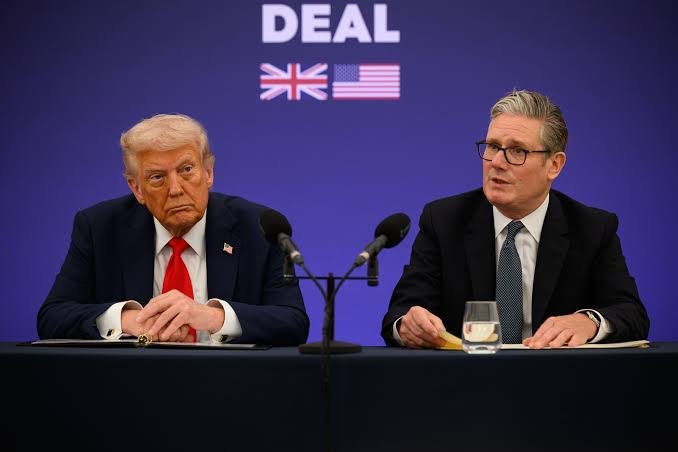
The agreement, reached in December, commits the UK to paying 25% more for new medicines over the next decade while increasing NHS spending on innovative drugs from 0.3% to 0.6% of GDP. In return, British pharmaceutical exports to the United States are expected to avoid tariffs that could have reached as high as 100%.
The findings have drawn sharp criticism from opposition politicians, healthcare leaders, and campaign groups, who argue that billions of pounds could be diverted away from frontline NHS services to benefit pharmaceutical companies.
However, the Department of Health and Social Care rejected the study's estimate, saying it does not recognize the projected £45 billion cost. The government maintains that the agreement will improve patient access to life-saving medicines, strengthen the UK's pharmaceutical sector, and that funding for the deal has been accounted for through government spending reviews.
The BMJ analysis represents an independent academic assessment rather than an official government forecast. While researchers project significant health and financial consequences if additional funding is not provided, the UK government disputes the estimates and says the long-term costs will be managed through future spending allocation.