Oman Proposes Hormuz Transit Fee Plan After U.S.-Iran War
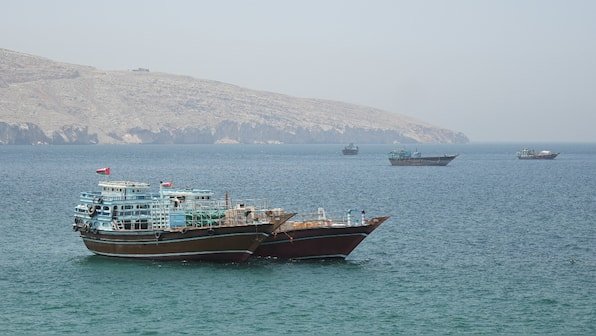
Oman and Iran are moving forward with a proposal to collect fees from ships transiting the Strait of Hormuz, marking a potentially historic shift in the management of one of the world's most strategically important waterways, according to officials and diplomats familiar with the discussions

Oman Proposes Hormuz Transit Fee Plan After U.S.-Iran War
Oman and Iran are moving forward with a proposal to collect fees from ships transiting the Strait of Hormuz, marking a potentially historic shift in the management of one of the world's most strategically important waterways, according to officials and diplomats familiar with the discussions.
Under the proposal, shipping companies would pay for navigation and maritime safety services while using the strait. Oman has formally presented the plan to the United States and several Western allies. Although Oman's proposal describes the payments as voluntary service fees, Iranian officials have indicated they expect the charges to become mandatory.
The initiative follows the recent U.S.-Iran war, during which Iran effectively blockaded the Strait of Hormuz, disrupting global trade and driving crude oil prices above $100 per barrel. Since the conflict, Tehran has repeatedly signaled its intention to monetize the waterway.
The proposal is reportedly modeled in part on the system used in the Straits of Malacca and Singapore, where voluntary contributions help fund navigation safety and maritime services.
The Trump administration has publicly opposed any effort to charge ships for passage through the strait. President Donald Trump recently described the idea as "unacceptable," while Secretary of State Marco Rubio said Washington rejects any system that monetizes access to the waterway, regardless of whether the payments are labeled as fees, tolls, or donations.
A temporary U.S.-Iran framework peace agreement guarantees free commercial passage through the Strait of Hormuz for 60 days while negotiations continue. The agreement also calls for Iran and Oman to hold talks on the future management of the strategic shipping route.
Iranian officials, however, insist that the strait will not return to its pre-war status. Deputy Foreign Minister Kazem Gharibabadi said Tehran hopes to establish a joint management framework with Oman but is prepared to act independently if necessary.
The proposal has also sparked legal and diplomatic debate. The International Maritime Organization (IMO) maintains that mandatory tolls on international waterways would conflict with the principle of freedom of navigation under international law. However, IMO Secretary-General Arsenio Domínguez has suggested that a voluntary funding mechanism similar to the Malacca Strait model could be legally viable.
European governments remain cautious, seeking to ensure that any future arrangement complies with international law. Saudi Arabia has also rejected the idea of changing the pre-war status of the Strait of Hormuz, arguing that the conflict should not permanently alter the rules governing one of the world's most critical energy corridors.
Analysts say Iran's ability to disrupt shipping during the war has significantly strengthened its negotiating leverage, making the future governance of the Strait of Hormuz a central issue in ongoing regional security and peace negotiations.