China Accuses Japan of ‘Reckless Militarism’ as Bilateral Tensions Escalate
Relations between China and Japan have deteriorated sharply, with both sides exchanging diplomatic protests, military accusations, and economic measures that have pushed ties to one of their lowest points in years

China Accuses Japan of ‘Reckless Militarism’ as Bilateral Tensions Escalate
Relations between China and Japan have deteriorated sharply, with both sides exchanging diplomatic protests, military accusations, and economic measures that have pushed ties to one of their lowest points in years.
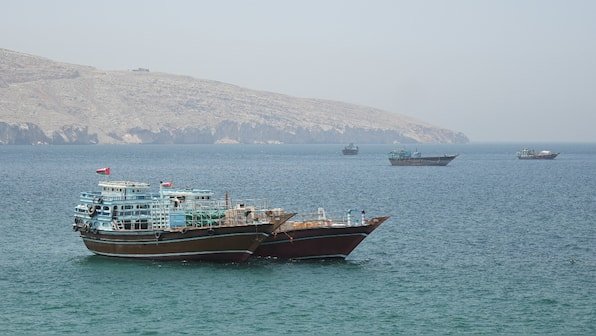
Beijing has accused Tokyo of pursuing "reckless new militarism" and imposed new export controls on 40 Japanese companies dealing in dual-use goods—products that can serve both civilian and military purposes. The move comes as Japan protests joint Chinese-Russian bomber exercises near its airspace and alleges that Chinese Coast Guard vessels entered its Exclusive Economic Zone (EEZ). Tokyo has also announced plans to deploy missile launchers on one of its easternmost islands.
Taiwan Comments Triggered the Latest Dispute
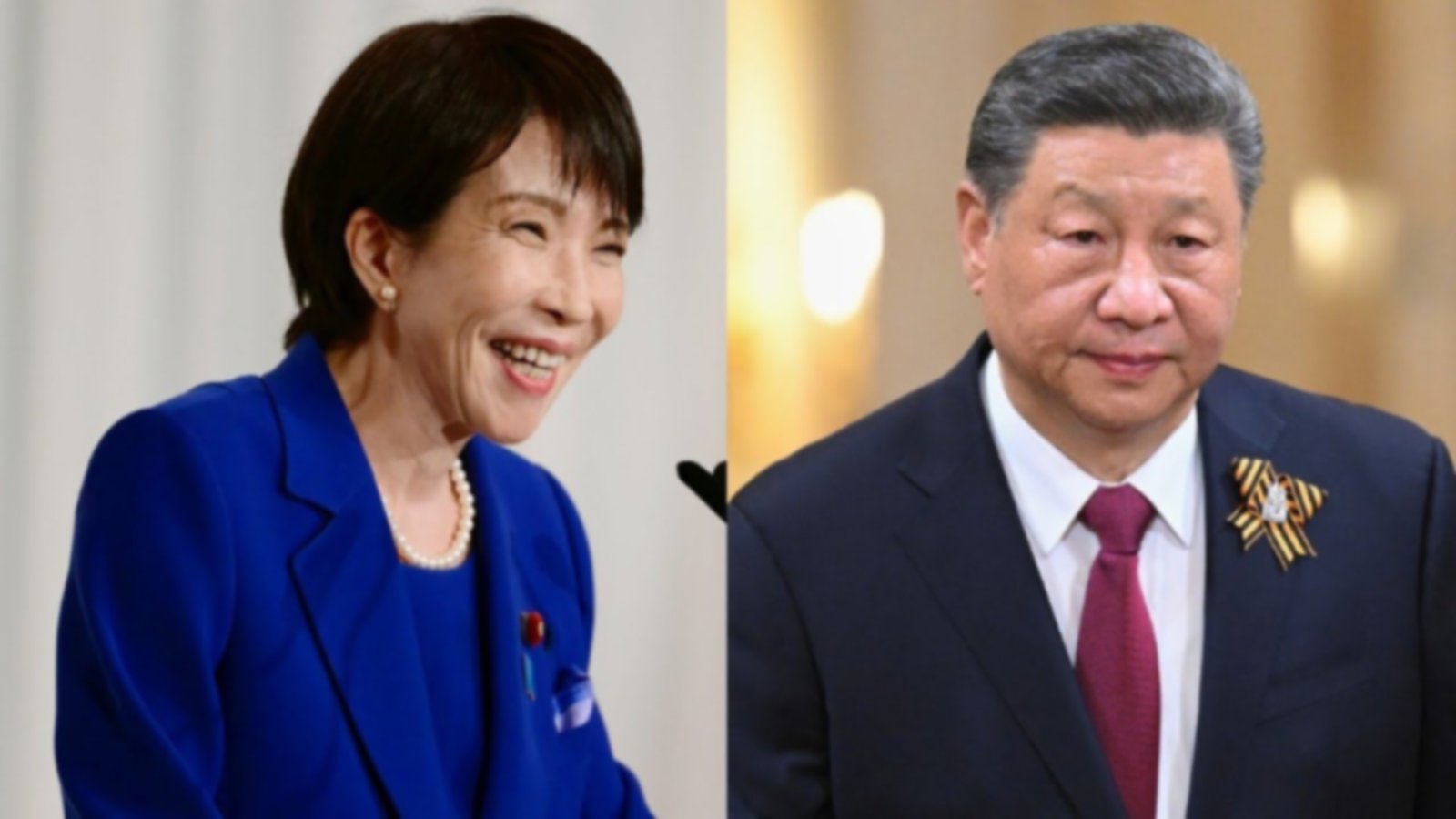
The current downturn began in November 2025, shortly after Japanese Prime Minister Sanae Takaichi took office. She stated that an attack on Taiwan could justify the deployment of Japan's Self-Defense Forces if such a conflict posed an existential threat to Japan.
Although her remarks were consistent with Japan's official security policy, previous Japanese leaders had generally avoided publicly discussing potential military involvement over Taiwan.
China reacted strongly, accusing Japan of interfering in its internal affairs. Beijing imposed economic sanctions, suspended diplomatic meetings, discouraged Chinese citizens from traveling to Japan, reduced flights, canceled academic and cultural exchanges, and maintained its ban on Japanese seafood imports.
Historical Grievances Continue to Shape Relations
The relationship between the two Asian powers remains heavily influenced by the legacy of Japan's occupation of China during the Second World War.
China argues that Japan has never fully acknowledged or adequately apologized for wartime atrocities. While successive Japanese prime ministers, senior officials, emperors, and major corporations have expressed remorse over the decades, critics say Japan has not confronted its wartime past as comprehensively as Germany.
Visits by Japanese politicians to Yasukuni Shrine—where several convicted Class-A war criminals are commemorated—continue to fuel Chinese claims that Japan has failed to fully reckon with its history.
Japan's Defense Build-Up
Japan says its expanding defense posture is a response to China's growing military assertiveness and uncertainty over long-term U.S. security commitments under President Donald Trump.
Tokyo has increased its defense budget by 9.4% to approximately $58 billion this year and is moving toward spending 2% of its GDP on defense. The ruling Liberal Democratic Party, particularly its conservative wing led by Prime Minister Takaichi, also supports revising Japan's postwar pacifist constitution, arguing that current security challenges require greater military flexibility.
China, whose official defense budget stands at roughly $275 billion—nearly five times larger than Japan's—rejects Tokyo's justification and continues to accuse Japan of reviving militarism. However, many analysts believe Beijing's actual military spending is significantly higher than officially reported.
Trade Remains Strong Despite Political Friction
The diplomatic standoff has affected tourism, cultural exchanges, and trade in certain sectors. China has tightened restrictions on rare earth exports, detained two Japanese nationals over alleged export violations, and Chinese tourist arrivals in Japan have fallen significantly. Japanese films have also faced obstacles in the Chinese market.
Despite these tensions, economic ties remain substantial. Bilateral trade exceeded $322 billion in 2025 and continued to grow during the first five months of 2026, highlighting the deep economic interdependence between the two countries.
Diplomatic attention is now focused on a possible meeting between Prime Minister Sanae Takaichi and Chinese President Xi Jinping at the APEC summit in Shenzhen this November. However, Beijing continues to demand that Takaichi withdraw her comments on Taiwan—a step she appears unlikely to take given the strong domestic support for her position.