U.S. Supreme Court Delivers Two Major Immigration Victories for Trump Administration
The U.S. Supreme Court on Thursday handed President Donald Trump two significant legal victories on immigration, issuing rulings that strengthen the administration’s efforts to restrict asylum claims and end temporary protections for certain migrants

U.S. Supreme Court Delivers Two Major Immigration Victories for Trump Administration
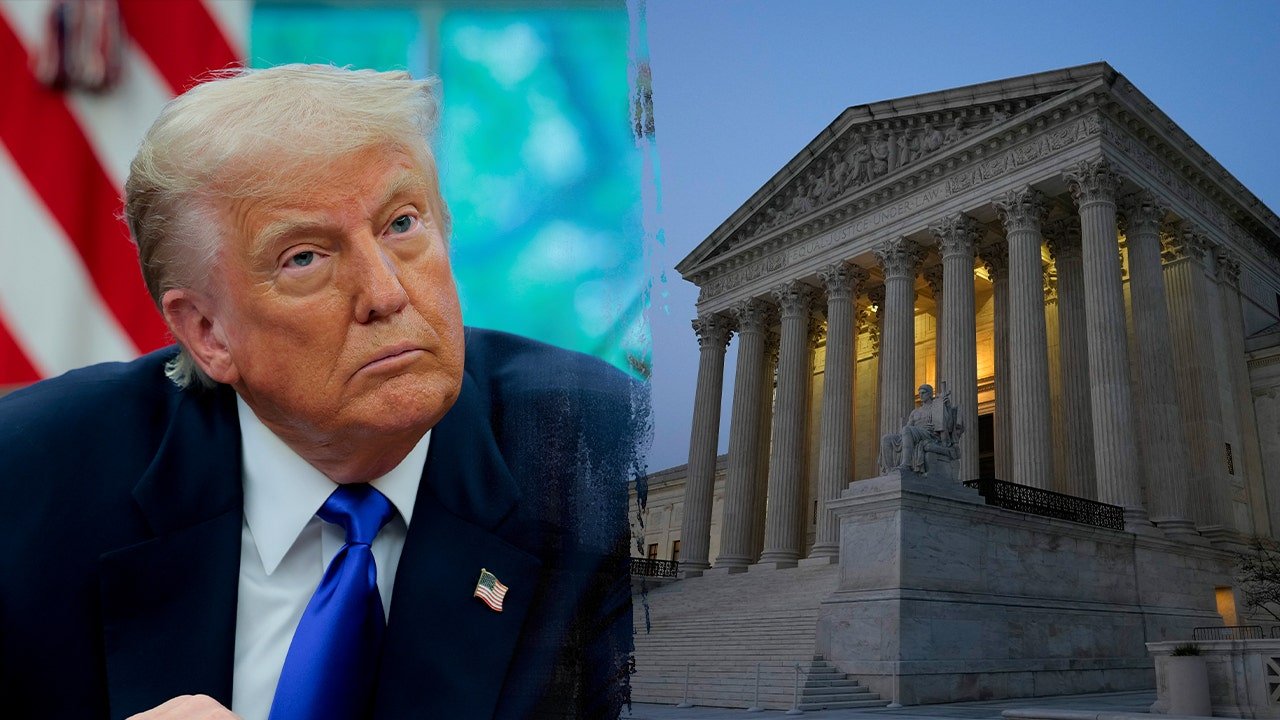
The U.S. Supreme Court on Thursday handed President Donald Trump two significant legal victories on immigration, issuing rulings that strengthen the administration’s efforts to restrict asylum claims and end temporary protections for certain migrants.
In the first case, Mullin v. Al Otro Lado, the Court ruled that migrants who are turned away at the U.S. border before physically entering the country are not legally considered to have “arrived in the United States” and therefore are not entitled to apply for asylum. Writing for the majority, Justice Samuel Alito stated that a person cannot be regarded as having arrived in a place before actually entering it.
In the second case, Mullin v. Doe, the Court held that nationals from Haiti and Syria with Temporary Protected Status (TPS) cannot obtain court orders delaying the termination of their protected status while they challenge the administration’s decision, unless their claims are based on constitutional grounds.
Together, the rulings provide the Trump administration with broader authority to curb asylum applications at the border and proceed with ending temporary protections for some migrants already living in the United States. Administration officials hailed the decisions as victories for immigration enforcement and the rule of law.
The decisions drew dissent from Justices Sonia Sotomayor, Elena Kagan, and Ketanji Brown Jackson, who argued that the majority adopted an overly narrow interpretation of immigration law and that constitutional and procedural concerns deserved greater consideration.
The rulings mark a significant development in U.S. immigration policy, reinforcing the administration’s ability to tighten border controls and reduce avenues for asylum and temporary legal protections.