Federal Judge Permanently Blocks Key Parts of Trump's Election Order
A major legal setback has struck President Donald Trump's election reform agenda after a federal judge permanently blocked most provisions of his controversial election executive order. The ruling prevents the administration from enforcing several proposed voting changes, including a requirement for documentary proof of citizenship when registering to vote.

Federal Judge Permanently Blocks Key Parts of Trump's Election Order
Federal Judge Permanently Blocks Trump's Election Executive Order
Boston, Massachusetts — June 25, 2026
A federal judge has permanently blocked most provisions of President Donald Trump's first executive order on elections, dealing a significant setback to the administration's efforts to reshape U.S. voting procedures ahead of future elections.
On Wednesday, U.S. District Judge Denise Casper ruled that key portions of Trump's election order violated constitutional limits on presidential authority. The decision converts a preliminary injunction issued last year into a permanent ruling, preventing the administration from enforcing several controversial election-related measures.
Court's Constitutional Argument
In her ruling, Judge Casper emphasized that the U.S. Constitution grants authority over elections primarily to individual states and Congress, not the president.
"The Constitution does not grant the President any specific powers over elections," Casper wrote, rejecting the administration's claim that legal challenges were premature because the measures had not yet been fully implemented.
The lawsuit was brought by a coalition of Democratic state attorneys general who argued that the executive order unlawfully attempted to alter election rules without congressional approval.
Key Provisions Blocked
The court's decision stops several major proposals contained in Trump's executive order, including:
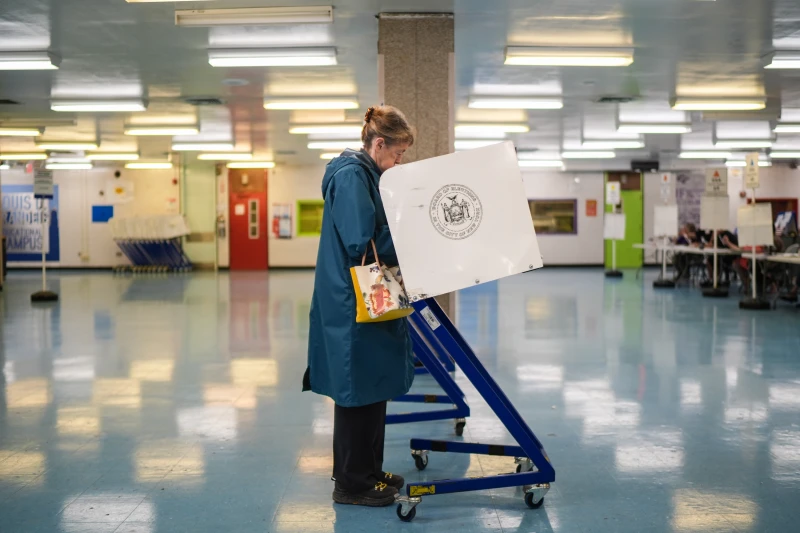
- Requiring voters to provide documentary proof of U.S. citizenship when registering to vote.
- Preventing mail-in ballots from being counted if they arrive after Election Day, even when postmarked on time.
- Withholding certain federal funds from states that refuse to comply with the new election requirements.
Election officials and voting rights advocates had argued that such changes could create barriers for eligible voters and interfere with state authority over elections.
Previous Legal Challenges
This is not the first court setback for the administration's election agenda.
Last year, a federal judge in Washington, D.C., blocked efforts to add a proof-of-citizenship requirement to the federal voter registration form. The same judge later prohibited the Department of Defense from requiring military personnel to submit documentary proof of citizenship when registering to vote or requesting absentee ballots.
Trump Pushes Congress for Citizenship Requirement
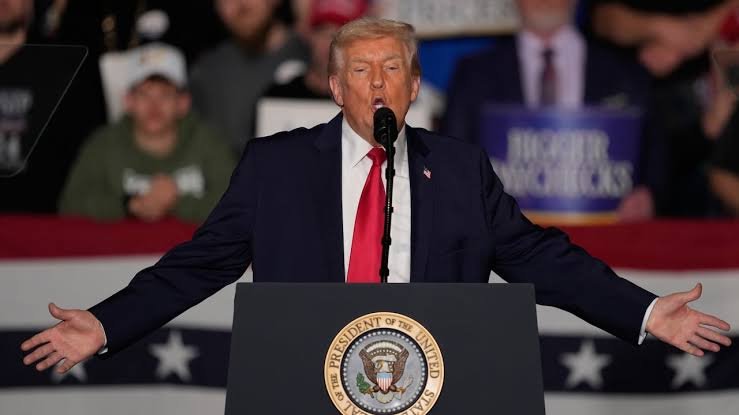
Recognizing the legal challenges surrounding executive action, President Donald Trump has increasingly focused on legislation to achieve similar goals.
Republicans in Congress introduced the SAVE America Act, which would establish a nationwide proof-of-citizenship requirement for voter registration.
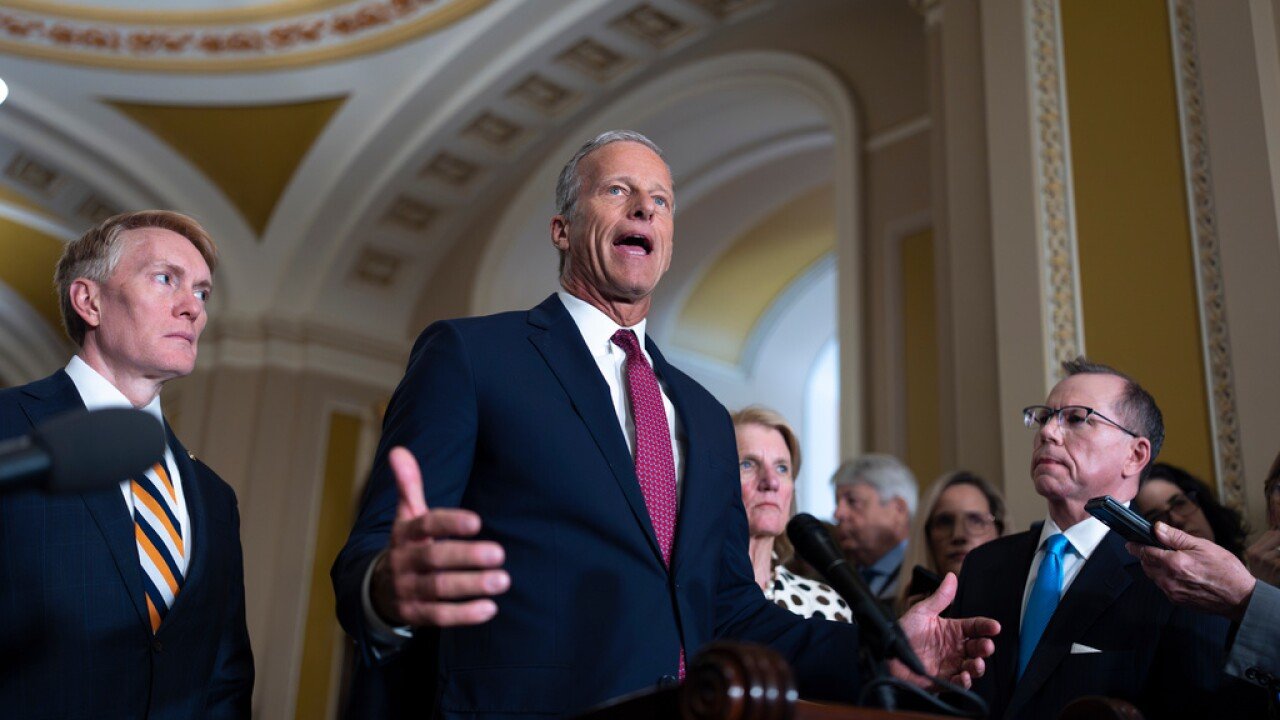
The bill has already passed the House of Representatives but remains stalled in the Senate. Trump has urged lawmakers to eliminate the Senate filibuster to allow the legislation to move forward.
Housing Bill Signing Canceled
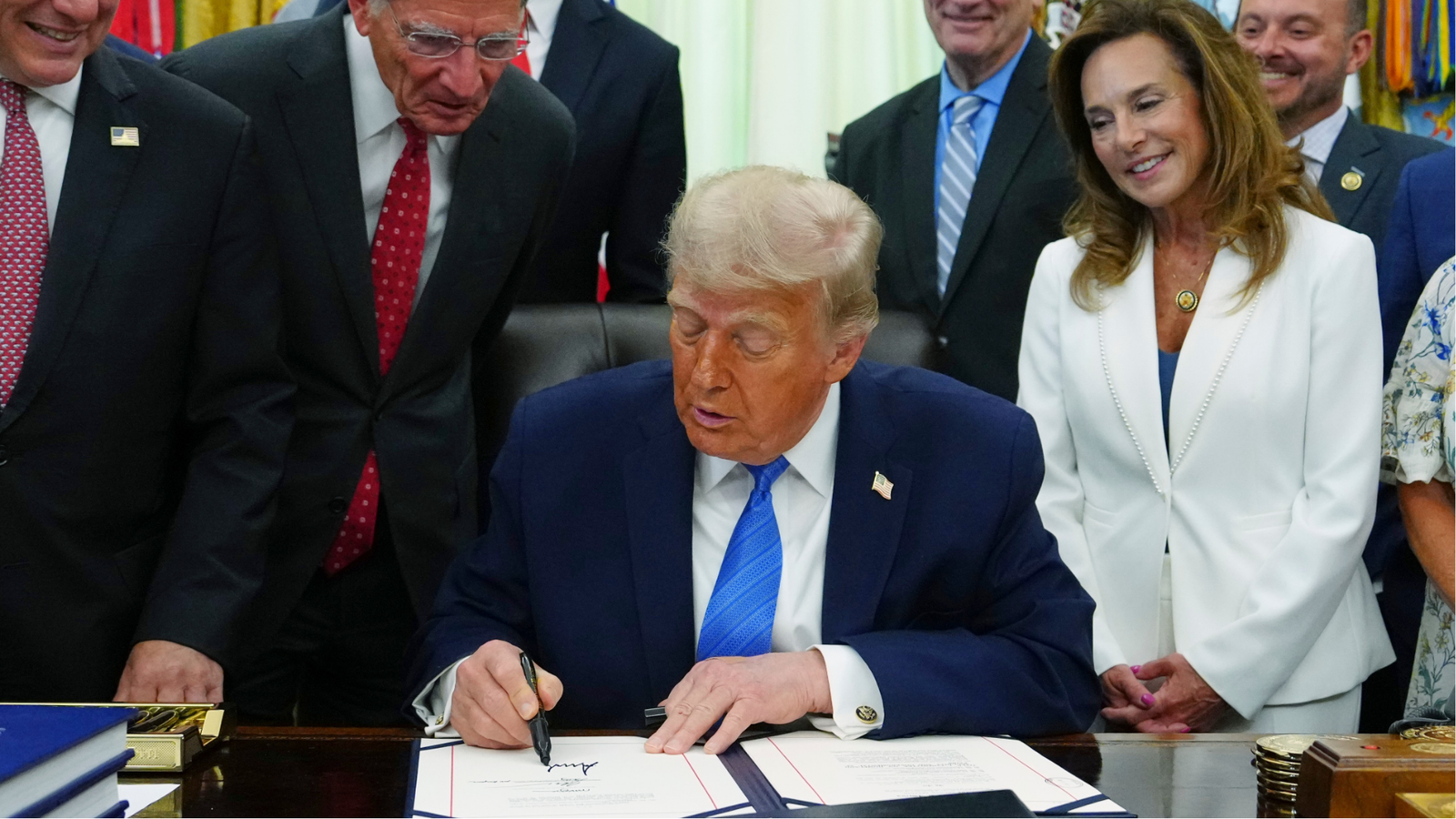
In a dramatic move on Wednesday, Trump reportedly canceled the planned signing ceremony for a bipartisan housing bill. The president stated that he would not sign additional legislation until Congress approves his proposed citizenship verification requirements for voters.
Debate Over Noncitizen Voting
Trump and many Republican allies have repeatedly argued that noncitizen voting represents a serious threat to election integrity.
However, election experts and federal authorities have consistently found that instances of noncitizen voting are extremely rare. Current federal voter registration forms already require applicants to affirm under penalty of perjury that they are U.S. citizens. Violations can result in felony charges, imprisonment, fines, and possible deportation for noncitizens.
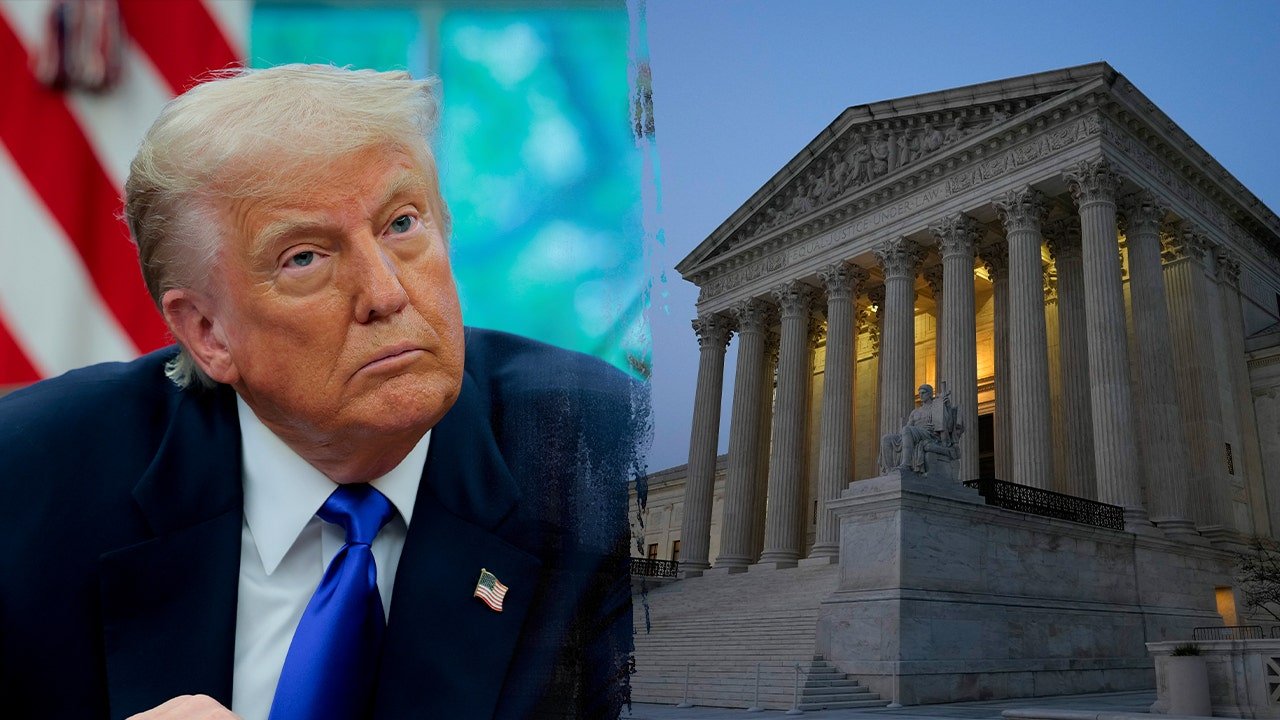
Supreme Court Decision Looms
Meanwhile, the U.S. Supreme Court is expected to issue a major ruling in a separate voting rights case concerning mail ballots.
The Court will determine whether ballots must physically arrive by Election Day to be counted or whether states may continue accepting ballots that arrive later if they were postmarked by Election Day.
The decision could immediately affect voting procedures in 14 states that currently allow grace periods ranging from several days to multiple weeks after Election Day.
Political analysts say the ruling could have significant implications for future federal and state elections across the United States.